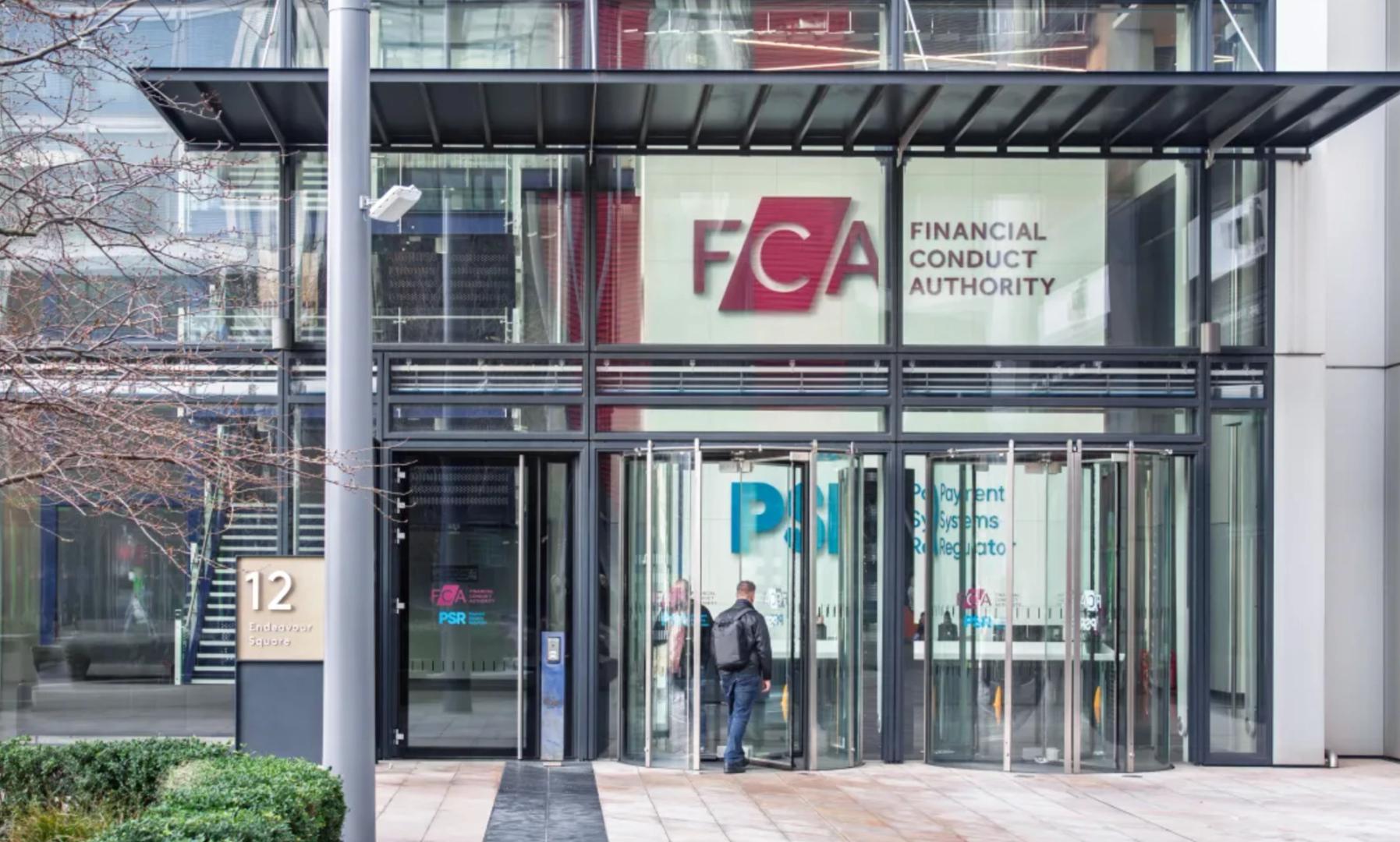
The UK Financial Conduct Authority (FCA) is collaborating with HM Treasury to create a specialized regulatory path for tokenized gold, moving it away from the cumbersome constraints of traditional fund laws. This 2026 initiative is designed to modernize the London gold market, ensuring that digital representations of physical gold are not stifled by legacy regulations intended for traditional mutual funds or retail investment schemes. By carving out a unique space for these assets, the FCA aims to provide legal clarity that encourages institutional adoption while maintaining market integrity.
This regulatory evolution comes as London faces stiff competition from international financial hubs like Singapore and Dubai, which have already streamlined their Real World Asset (RWA) tokenization frameworks. The UK government recognizes that applying decades-old fund rules to blockchain-based gold tokens creates unnecessary friction for investors. The proposed 'bespoke' framework will allow digital gold to be traded and held with the efficiency of distributed ledger technology without the administrative burden of being classified as a traditional investment fund.
For the broader crypto market, this move signifies a major step toward the institutionalization of tokenized commodities. By removing digital gold from the scope of standard fund rules, the UK is effectively lowering the barrier to entry for banks and asset managers who wish to offer tokenized bullion products. This could significantly increase liquidity in the digital gold sector, bridging the gap between traditional precious metals trading and the growing digital asset ecosystem.
Investors and market participants should watch for the specific technical criteria the Treasury will set for these exemptions later in 2026. The focus will likely be on ensuring that tokenized assets are backed 1:1 by physical gold held in secure vaults, providing a safeguard that justifies the lighter regulatory touch. If successful, this framework may serve as a blueprint for the future tokenization of other commodities like silver, platinum, and perhaps even broader industrial metals.