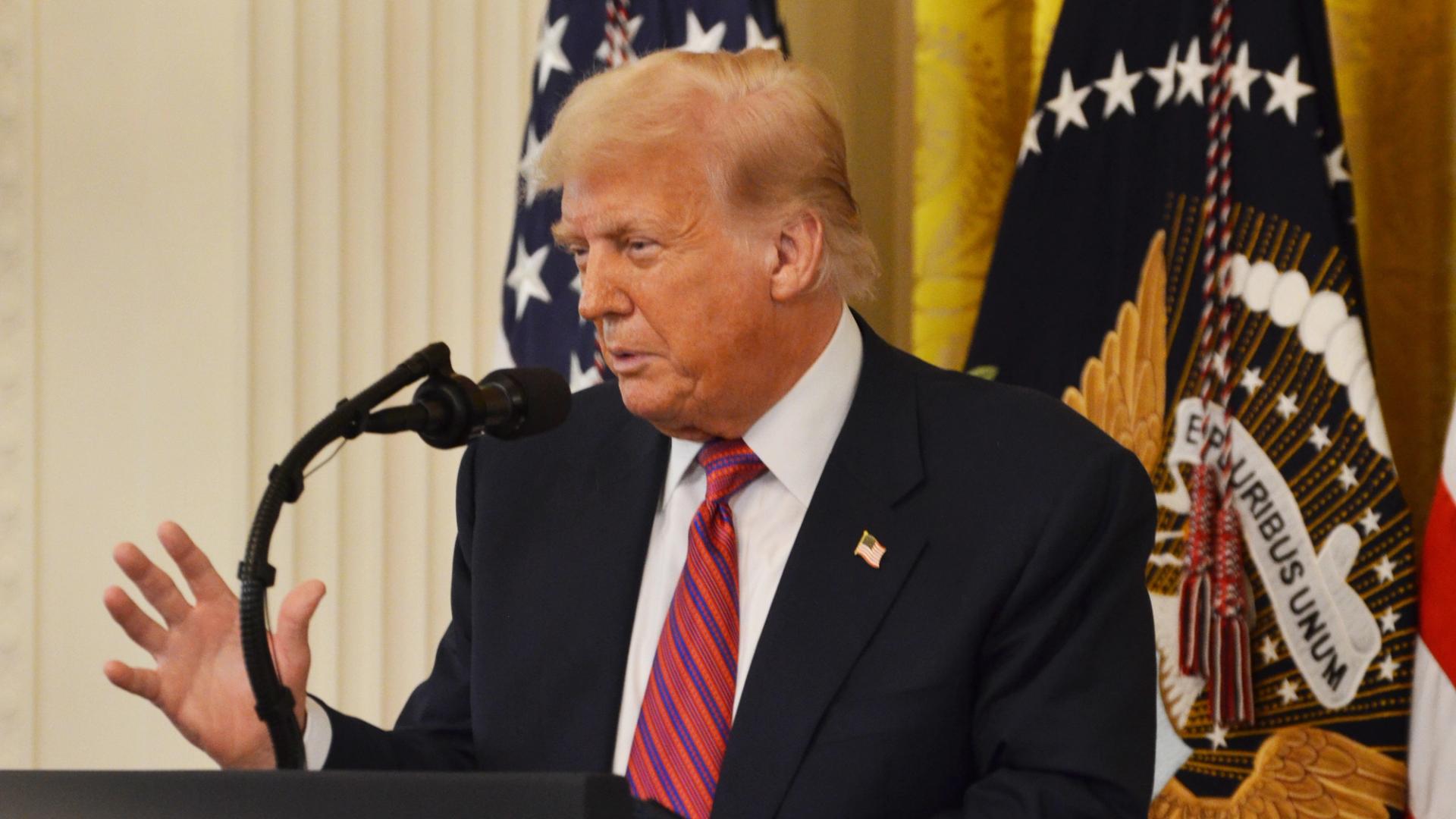
President Donald Trump’s decision to accept stricter conflict-of-interest mandates and enhanced state-level oversight is designed to finalize the passage of the Clarity Act, a landmark crypto regulation bill. By addressing concerns from key senators regarding executive branch transparency and local regulatory autonomy, the administration has cleared a significant legislative hurdle. This agreement specifically targets the concerns of moderate senators whose votes are essential for the bill’s advancement through the U.S. Senate.
The original version of the Clarity Act faced opposition from a bipartisan group of lawmakers who argued the bill centralized too much power in federal hands and lacked sufficient safeguards against ethical breaches by political appointees. The newly agreed-upon provisions include rigorous disclosure requirements for any official overseeing digital asset policy and a "dual-track" enforcement model. This model allows state attorneys general to prosecute crypto-related fraud independently of federal agencies like the SEC or CFTC, providing an additional layer of consumer protection.
For the crypto industry, this compromise is a double-edged sword. While the passage of the Clarity Act provides long-awaited legal certainty and a path toward mainstream adoption, the addition of state-level enforcement powers could lead to a more complex regulatory landscape. Market participants are closely watching how these rules will affect institutional investment flows into major assets such as Bitcoin and Ethereum, as clear federal guidelines often serve as a green light for large-scale capital entry.
Moving forward, investors should monitor the specific language regarding these conflict-of-interest rules to see if they limit the ability of crypto-native individuals to serve in key regulatory roles. The bill is expected to move to a full Senate floor vote by the end of the quarter. If passed, it would represent the most significant shift in U.S. digital asset policy to date, potentially setting a global standard for how developed economies handle decentralized finance and digital property rights.