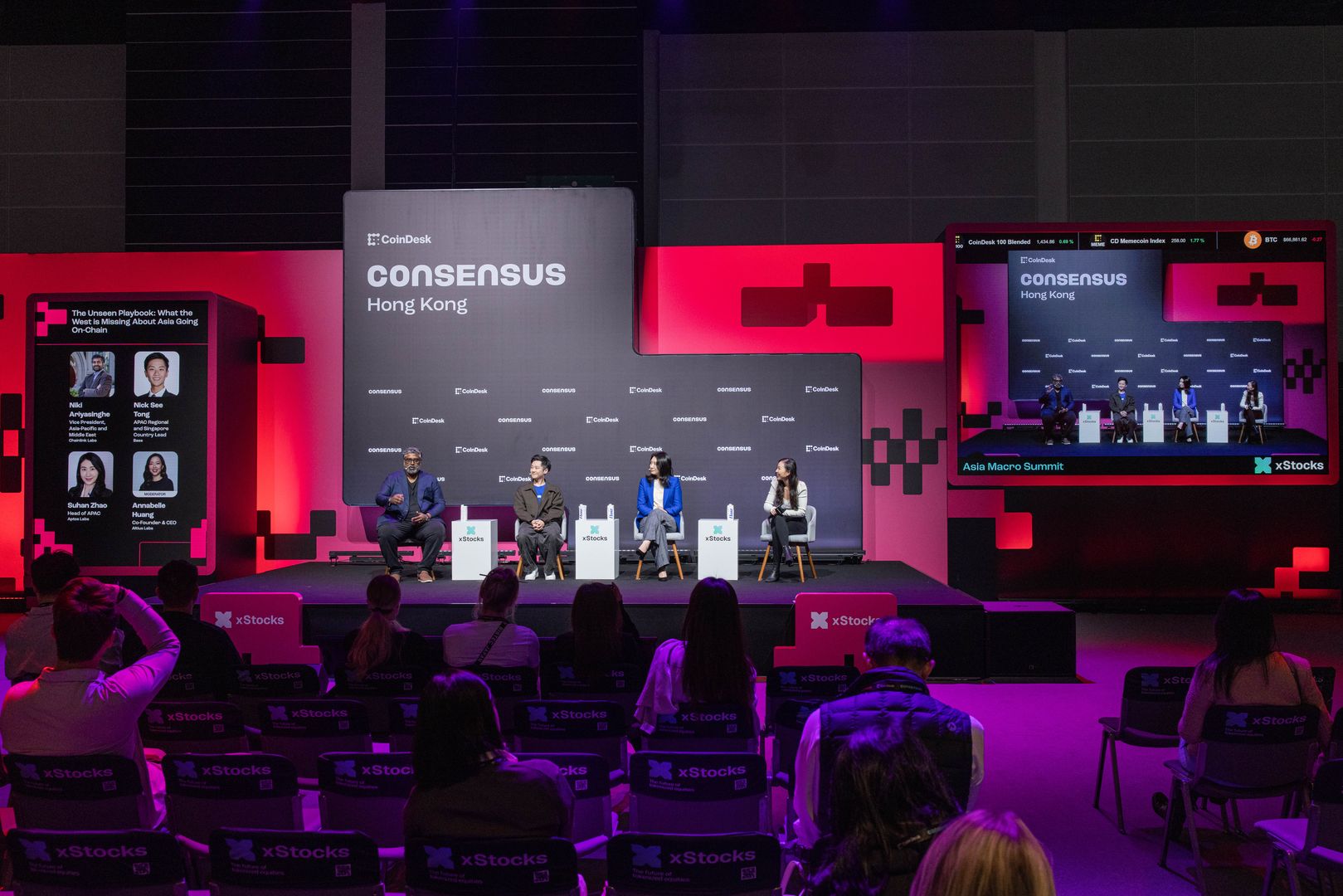
Consensus Hong Kong 2026 is prioritizing the synergy between Artificial Intelligence and the institutional adoption of digital assets as it returns for its third consecutive year. The summit focuses on how AI-integrated analytics and autonomous trading agents are reshaping the 'future of money,' moving beyond simple retail speculation toward sophisticated, enterprise-grade financial infrastructure. This shift reflects a broader 2026 trend where institutional players are seeking to combine the transparency of blockchain with the predictive power of machine learning.
As the event unfolds, the focus on AI comes at a time when Asian and Western markets are increasingly competing for dominance in the 'AI-DeFi' sector. By hosting this expanded focus in Hong Kong, organizers are leveraging the city’s established regulatory frameworks for stablecoins and tokenized assets to attract US-based institutions looking for compliant venues to test AI-driven trading strategies. The summit serves as a critical bridge for US analysts to gauge how automated financial tools will interact with existing regional regulations.
The geopolitical implications are significant, as Hong Kong continues to position itself as a neutral but highly regulated hub for digital innovation amidst shifting US regulatory climates. The inclusion of AI as a core pillar suggests that regulators in the region are now looking at the governance of algorithmic finance, which could set a precedent for how Western agencies approach the automation of capital markets. This highlights a move toward 'intelligent' regulation where technology helps ensure compliance in real-time.
For market participants, Consensus Hong Kong 2026 acts as a bellwether for the next wave of capital inflows. Readers should watch for specific announcements regarding cross-border payment partnerships and new security frameworks for Ethereum and Bitcoin-based layers that incorporate AI for threat detection. The success of these integrations will likely dictate the valuation premiums for projects that successfully bridge the gap between decentralized ledgers and high-performance computing.