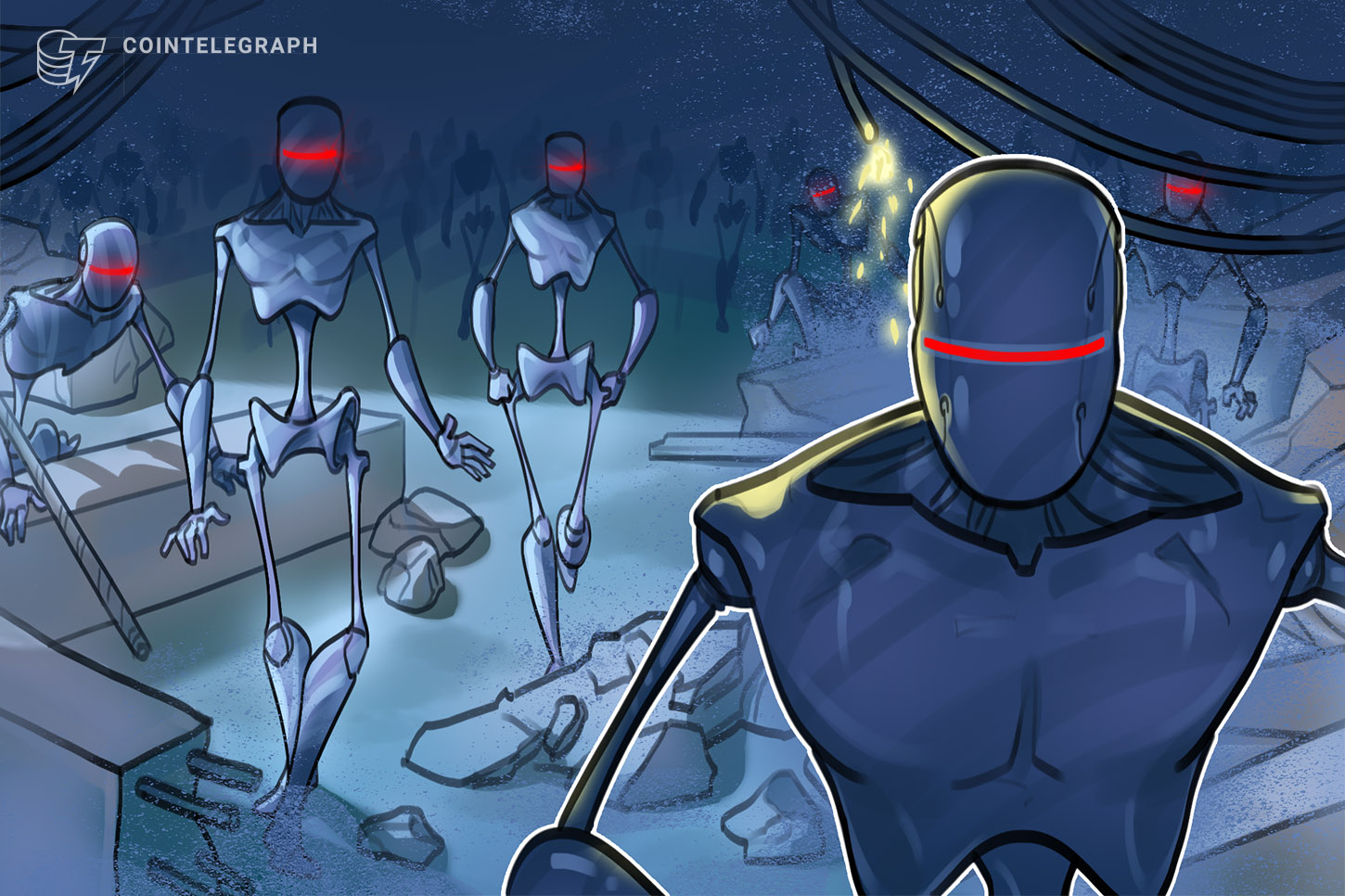
In early 2026, the world’s leading AI development labs have pivoted from a breakneck arms race to a cautious 'safety-first' stance, citing catastrophic risk management and the economic burden of scaling. This sudden call for a development pause stems from a realization that current hardware-intensive training methods are hitting a wall of diminishing returns, coupled with intensifying pressure from US regulators to establish robust safety guardrails before the next generation of models is deployed.
The shift is largely driven by the soaring costs of energy and specialized GPU clusters, which have made the traditional 'bigger is better' approach harder for even the largest tech giants to justify to shareholders. By calling for a collective slowdown, these companies aim to reset the competitive landscape and wait for more efficient architectural breakthroughs. However, critics argue this move is also a strategic attempt to gatekeep the industry through regulatory capture, ensuring that only a few incumbents can meet the eventual safety standards.
For the cryptocurrency market, this centralized slowdown acts as a major catalyst for the Decentralized Physical Infrastructure (DePIN) and AI-crypto sectors. As centralized labs pull back, developers are increasingly turning to decentralized compute networks that offer permissionless access to GPU power. This migration is highlighting the utility of blockchain in providing transparent, verifiable AI training logs that central authorities are currently struggling to produce within proprietary systems.
Looking ahead, investors should monitor upcoming US Senate hearings regarding AI safety compliance and how they might affect open-source development. The key question for the market is whether decentralized protocols can successfully implement the proposed safety standards without sacrificing their permissionless nature. If DePIN projects can prove their resilience and safety in 2026, they may capture a significant portion of the capital currently exiting centralized AI ventures.