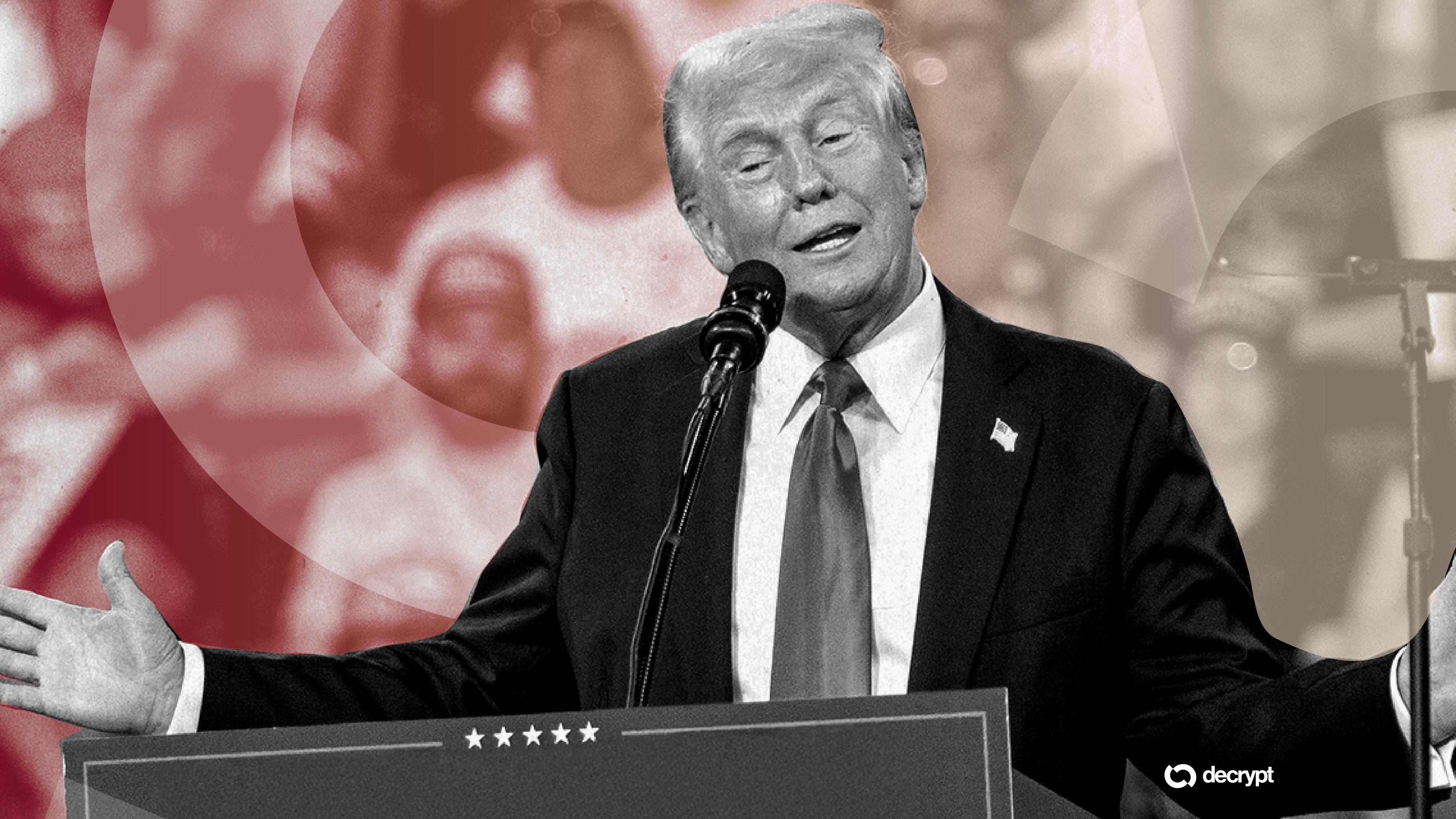
Donald Trump’s endorsement of the Clarity Act’s new ethics rules is a strategic move designed to win over moderate Democrats ahead of a critical Tuesday vote. By backing tougher oversight on how officials interact with the industry and conceding on key points regarding decentralized finance (DeFi) and stablecoin issuance, the Republican leadership is presenting a 'last, best, and final offer' to end the legislative stalemate. The success of this bill now depends on whether these concessions are enough to satisfy Democratic concerns about consumer protection and market stability.
The negotiations reached a fever pitch this week as Republicans moved to soften their stance on DeFi protocols, which had previously been a non-starter for many lawmakers. The revised Clarity Act now includes more nuanced language regarding how decentralized platforms are classified, while the stablecoin provisions offer a clearer path for state-level oversight—a major win for industry advocates. The inclusion of the ethics rules, which Trump specifically highlighted, aims to insulate the bill from accusations of regulatory capture, making it more politically palatable for a bipartisan coalition.
From a regulatory standpoint, the Clarity Act represents the most significant attempt in 2026 to provide the SEC and CFTC with defined jurisdictions. For the crypto industry, the passage of this bill would mean an end to the 'regulation by enforcement' era, replaced by a codified set of rules for digital asset custody and stablecoin reserves. Industry leaders are optimistic, believing that Trump’s public backing provides the necessary political cover for GOP members to vote in favor of the concessions without facing backlash from the party's base.
Market participants should closely monitor the 'crossover' count during Tuesday's session. If the bill passes, it will likely provide a massive boost to institutional confidence, particularly for U.S.-based stablecoin issuers and DeFi developers who have been operating in a legal gray area. Conversely, a failure to pass this 'final offer' could lead to prolonged market uncertainty and a potential shift of crypto innovation away from U.S. shores as the 2026 legislative calendar tightens.