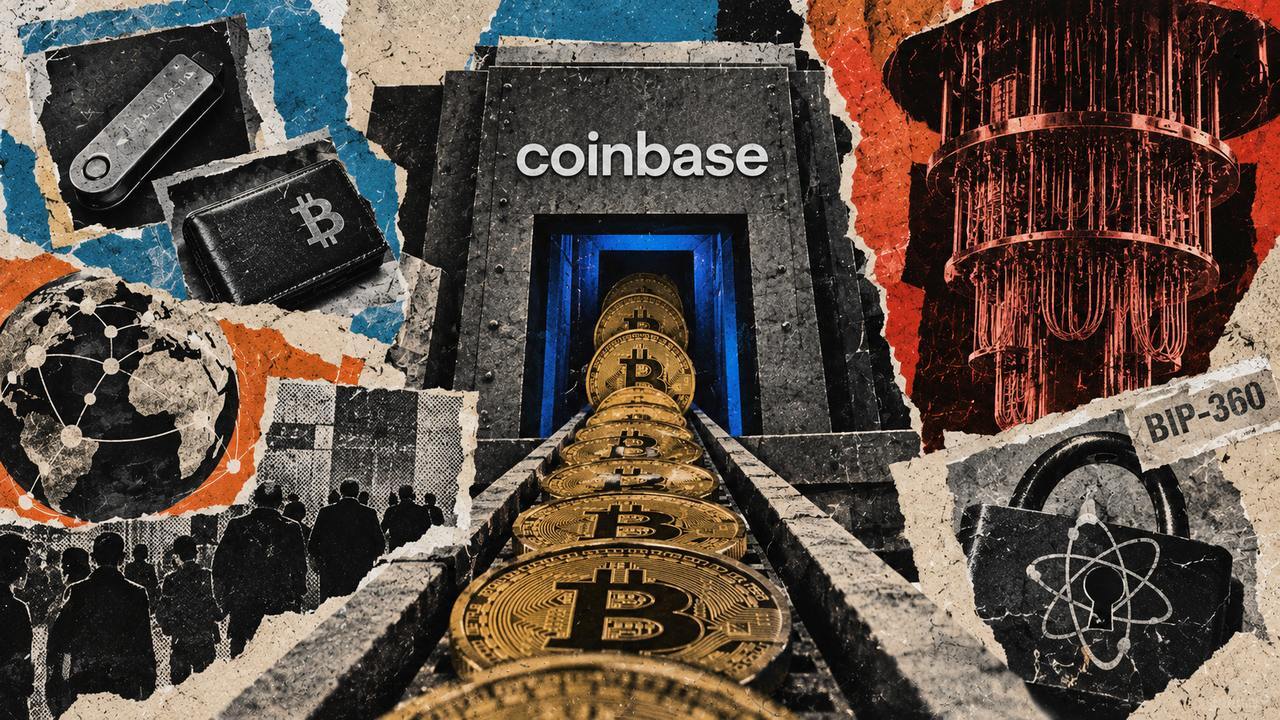
Following a strategic industry workshop held by Coinbase in September 2026, Bitcoin exchanges are now focusing on reducing quantum exposure by integrating advanced signature choices and operational migration strategies. The primary method involves transitioning from standard Elliptic Curve Digital Signature Algorithm (ECDSA) to quantum-resistant alternatives within their internal custodial systems. By aligning wallet architectures and key-management systems now, exchanges can shield long-term holdings from the growing threat of 'harvest now, decrypt later' attacks, even before a global Bitcoin network soft fork occurs.
This shift comes as the race for quantum supremacy accelerates, forcing crypto infrastructure providers to treat cryptographic agility as a core security requirement. The Coinbase workshop emphasized that technical migration cannot happen in a vacuum; it requires a coordinated effort between exchanges, hardware security module (HSM) providers, and wallet developers. This ensures that when a formal Bitcoin network upgrade for quantum resistance is eventually deployed, the transition for centralized entities will be seamless rather than a reactive scramble.
From a regulatory perspective, US authorities are increasingly viewing quantum readiness as a component of operational resilience for digital asset service providers. As we move through 2026, institutional investors are prioritizing platforms that demonstrate a clear roadmap for quantum security. This focus on future-proofing Bitcoin’s underlying cryptography is essential for maintaining its status as a secure store of value in an era where traditional encryption methods are increasingly under scrutiny by national security agencies.
Market participants should watch for new standards emerging from the Bitcoin Core development community regarding specific post-quantum algorithms (PQAs) that may be favored for future BIPs (Bitcoin Improvement Proposals). The speed at which major exchanges like Coinbase and Binance implement these 'quantum-hardened' wallets will likely serve as a new benchmark for platform security. While these technical upgrades do not immediately impact Bitcoin's circulating supply, they provide the necessary psychological floor for long-term institutional capital to remain in the ecosystem.