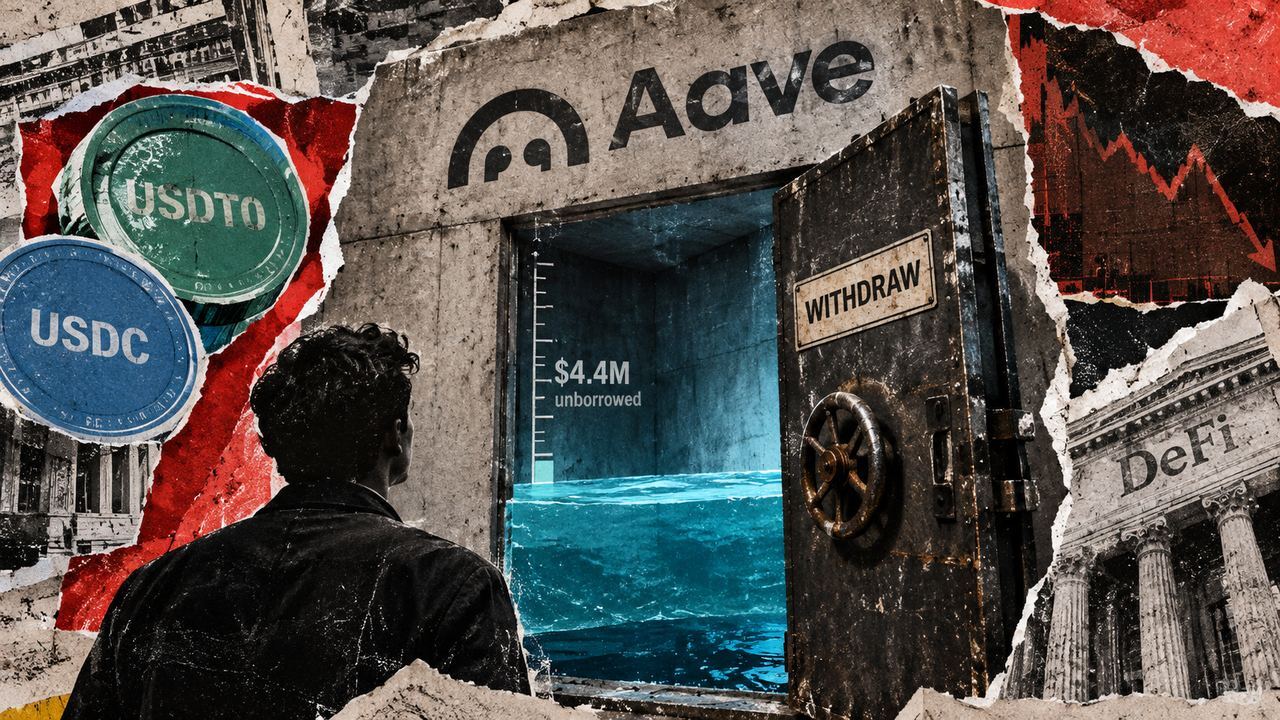
The withdrawal capacity in the Aave Monad USDT0 pool is currently limited to approximately $4.4 million because the vast majority of the $55 million total value locked is actively utilized by borrowers. As of early 2026, the pool’s high utilization rate has pushed yields to an attractive 6.10% APR, yet this success has created a bottleneck for liquidity. In DeFi lending protocols like Aave, users can only withdraw funds that are not currently out on loan; when borrowing demand spikes, the available 'idle' cash shrinks, potentially causing delays for lenders wanting to move their capital.
This situation highlights a critical distinction between total supply and available liquidity within the Monad ecosystem. While the pool is solvent and functioning as designed, the narrow window for withdrawals serves as a case study in DeFi risk management for US-based institutional and retail investors. The USDT0 asset on Monad has seen rapid adoption in 2026, but the imbalance between lenders and borrowers suggests that the protocol's interest rate model may need to be adjusted to incentivize more deposits or discourage excessive borrowing to maintain a healthy liquidity buffer.
From a regulatory perspective, US authorities have increasingly focused on 'liquidity mismatches' in stablecoin-related lending products. If withdrawal delays become persistent, platforms like Aave may face closer scrutiny regarding disclosure practices for retail participants who may not fully understand utilization curves. Investors should monitor Aave governance proposals that might alter the interest rate slope for Monad USDT0, as a steeper curve would naturally increase borrowing costs and free up liquidity when the pool reaches these critical levels.
Market participants should watch for two specific indicators: a further rise in APR, which would signal even tighter liquidity, and the behavior of 'whales' within the pool. If large lenders attempt to exit simultaneously, the $4.4 million buffer could be exhausted quickly, leading to a temporary lock until borrowers repay their loans. For now, the high yield remains a primary driver for capital staying within the Monad ecosystem despite the restricted exit capacity.