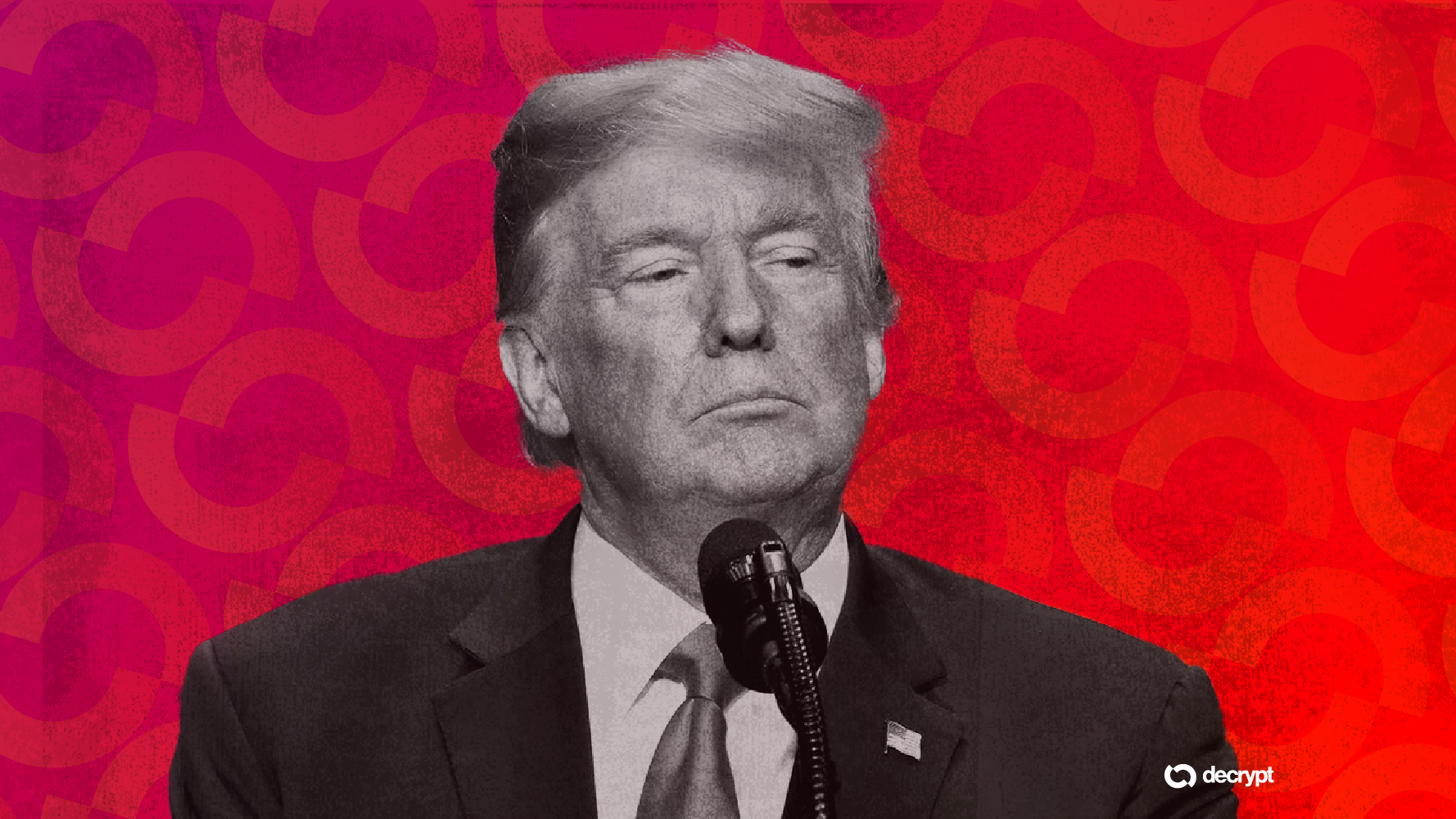
President Trump’s recent dismissal of federal AI guardrails in early 2026 signals a period of rapid, unchecked development for United States-based technology firms. By rejecting calls from industry leaders for stricter safety protocols, the administration is prioritizing American dominance in the global AI arms race. This policy shift directly supports the massive expansion of data centers across the country, which the President defended as essential infrastructure for national competitiveness and economic growth.
The President’s specific attacks on companies like Anthropic, which have advocated for cautious development and safety layers, suggest a move toward a more deregulated 'growth-first' environment. Trump argued that industry-led calls for safety are often attempts by established players to gatekeep the market and slow down innovation. This stance is a sharp departure from the previous year’s legislative attempts to implement strict compliance standards for large-scale language models and neural networks.
For the crypto and blockchain sector, this pro-infrastructure rhetoric has significant implications. Data centers are the lifeblood of both artificial intelligence and proof-of-work mining operations. By defending the expansion of these facilities and potentially streamlining energy permits, the administration is indirectly supporting the hardware and power needs of the Bitcoin mining industry. The push against 'guardrails' also resonates with decentralized AI proponents who argue that centralized regulation only serves to consolidate power among a few tech giants.
Investors and market participants should closely monitor upcoming executive orders regarding energy allocation for data centers. If the administration follows through on defending these facilities against local zoning restrictions or environmental challenges, we could see a surge in domestic compute capacity. This environment likely favors high-growth AI projects and infrastructure-heavy crypto assets that rely on the same power grids and chip supplies that the President is now vowing to protect.