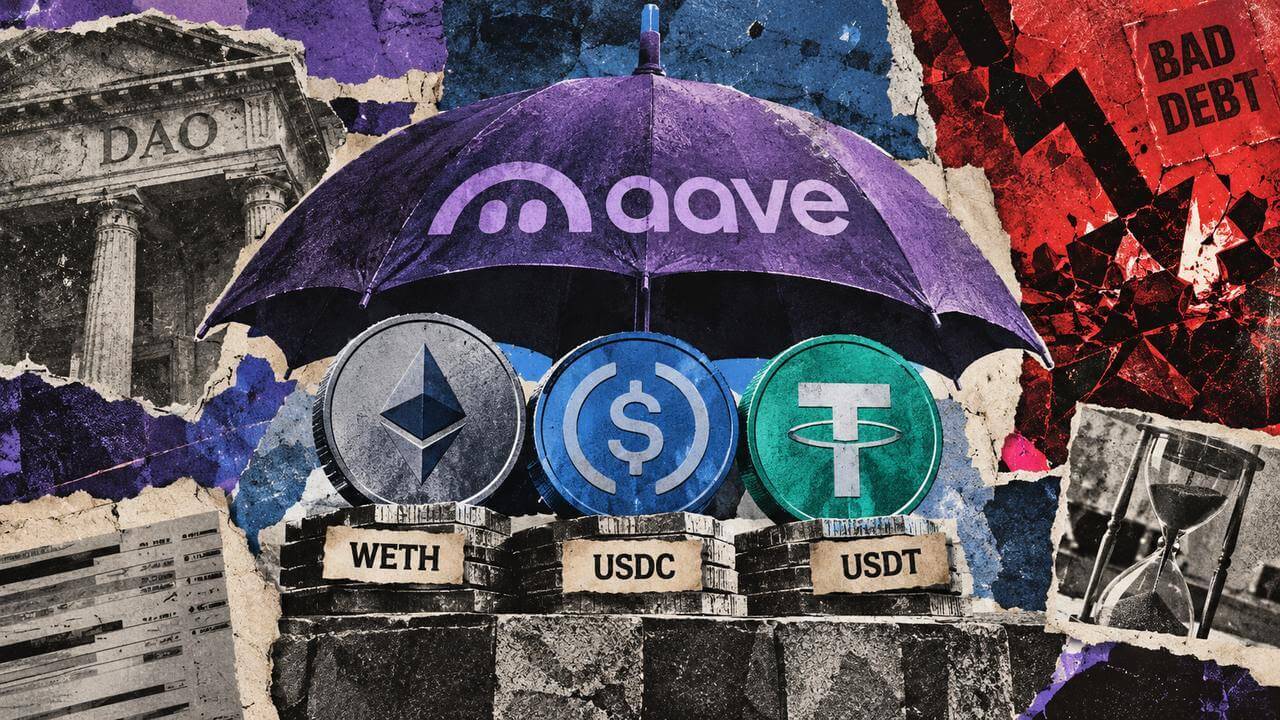
The Aave V4 proposal, recently introduced by TokenLogic in early 2026, aims to safeguard lenders of Core WETH, USDC, and USDT by positioning DAO funds as the first line of defense against protocol insolvency. Under this proposed architecture, any bad debt or losses incurred within these core markets will be absorbed by the Aave DAO’s own offsets first. This ensures that the protocol's internal reserves act as a shock absorber, protecting retail and institutional depositors from losing principal before any secondary insurance mechanisms, like the Safety Module, are utilized.
This shift reflects a maturing DeFi landscape in 2026, where the emphasis has moved from aggressive yield farming to robust capital preservation. By using the DAO’s accumulated reserves to cover first-tier losses, Aave is essentially self-insuring its most critical liquidity pools. This move is designed to reduce the reliance on volunteer underwriters and the potential slashing of staked AAVE tokens, which has historically been a point of contention for long-term protocol participants.
From a regulatory and geopolitical perspective, this proposal addresses growing demands from US-based financial observers for clearer 'solvency buffers' within decentralized protocols. By formalizing how losses are handled, Aave V4 provides a more predictable risk profile that mirrors traditional financial safety nets. For US institutional investors who are increasingly integrating DeFi into their portfolios, this layer of protection could be the deciding factor for moving large-scale capital into the WETH and stablecoin markets.
Market participants should watch the upcoming governance vote closely, as the adoption of this 'DAO-first' loss model could trigger a wave of similar upgrades across other major lending protocols like Compound. If the proposal passes, it is expected to increase Total Value Locked (TVL) in Aave's core pools, as the lower risk profile attracts more conservative capital. The implementation will be a key milestone in Aave's 2026 roadmap, marking a significant evolution in decentralized treasury management.