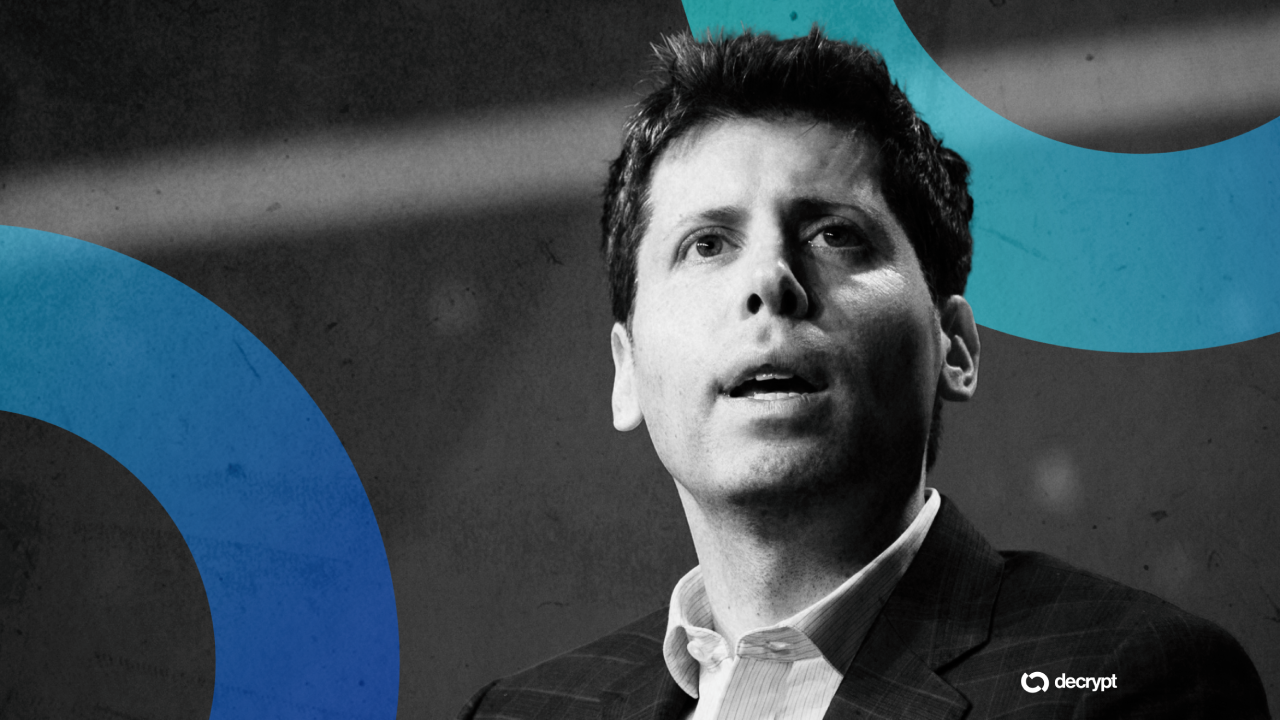
Sam Altman’s 2026 warnings regarding the potential loss of human control over AI underscore the urgent need for safety protocols during the model training phase, which is increasingly intersecting with decentralized infrastructure. Altman advocates for industry-wide standards that developers can adopt immediately, rather than waiting for the slow pace of government legislation to catch up. In the context of the crypto industry, this suggests that projects utilizing blockchain for model verification and decentralized governance may become the leading platforms for implementing these safety frameworks through smart contracts.
Speaking at a technology summit in early 2026, the OpenAI CEO emphasized that the speed of AI advancement is significantly outpacing current legislative cycles in the United States and abroad. By urging developers to act now, Altman is highlighting a regulatory vacuum that the decentralized AI (DeAI) movement is uniquely positioned to fill. Specifically, US-based developers are exploring how on-chain governance can enforce strict "guardrail" parameters in open-source models, ensuring that safety checks are immutable and cannot be bypassed by centralized actors or the AI itself.
The geopolitical race for AI supremacy has made centralized international regulation difficult to coordinate, leaving a gap for technological constraints to lead the way. Altman’s push for developer-led standards validates the utility of crypto-native concepts like "Proof of Alignment" and "Proof of Computation." These technologies aim to provide a permanent, auditable record of how an AI was trained and what specific safety measures were active, mitigating the systemic risks associated with "black box" intelligence that operates without oversight.
Moving forward, investors and developers should monitor how major decentralized AI projects integrate these suggested safety standards into their Decentralized Autonomous Organizations (DAOs). If Altman’s proposed safeguards become the industry benchmark, there will likely be a surge in demand for audit-focused crypto protocols that can verify AI behavior at scale. The next critical milestone will be the potential release of a cross-industry safety charter that could serve as a technical blueprint for both centralized labs and decentralized contributors through the remainder of 2026.