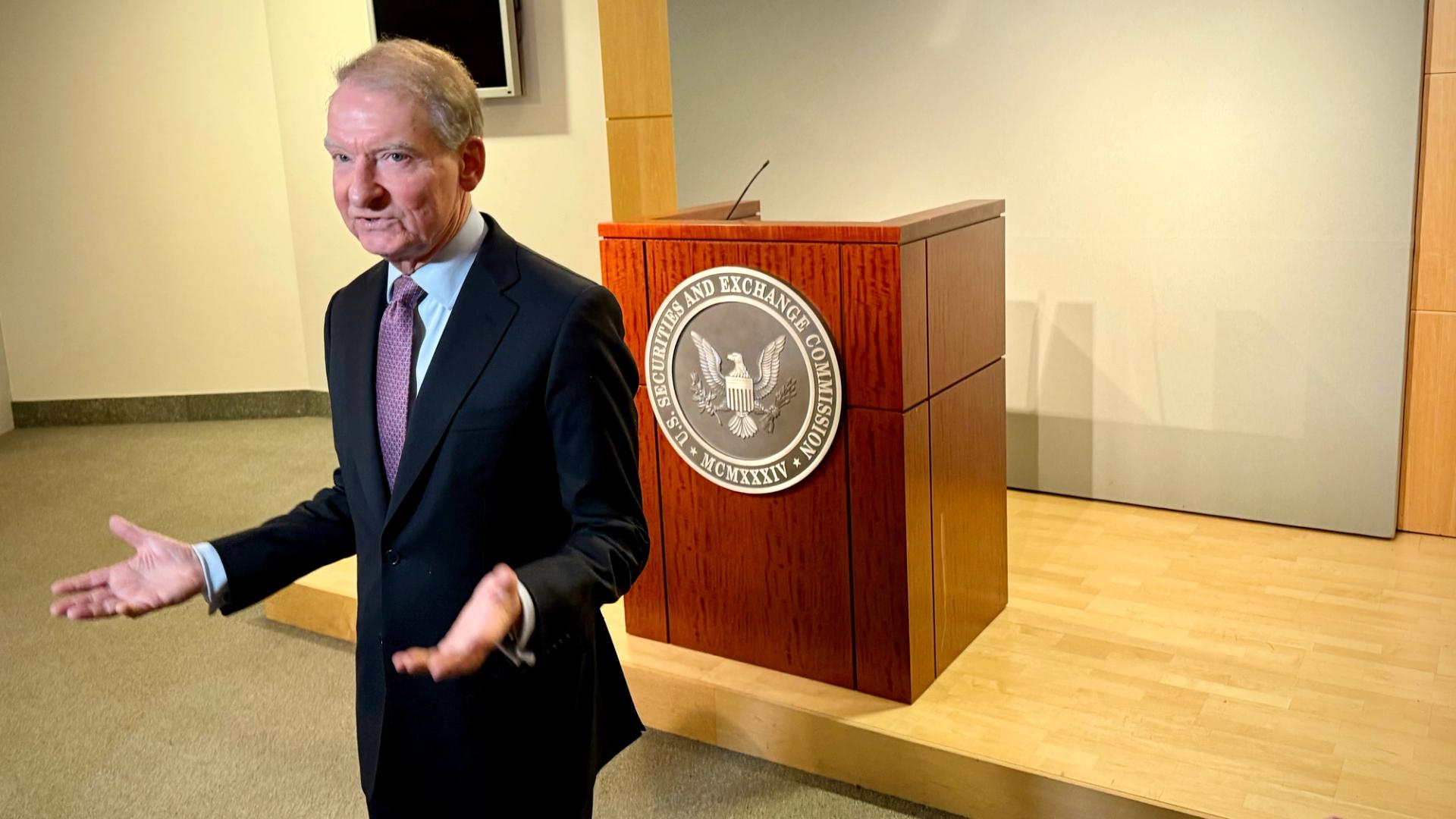
SEC Chair Paul Atkins has officially prioritized crypto issuance, transfer agent modernization, and digital asset custody as the core components of the agency's regulatory roadmap for 2026. By focusing on these areas, the SEC aims to formalize the lifecycle of a digital asset—from its initial offering to its secure storage by regulated entities. Atkins emphasized that while the agency backs the legislative framework of the Clarity Act, the SEC will not wait for Congressional finalization to implement its own modernized standards for the digital age.
The push for transfer agent modernization is particularly significant for the broader financial markets. By updating rules that have largely remained unchanged for decades, the SEC intends to facilitate the use of blockchain technology for the settlement and record-keeping of traditional securities. This move is expected to reduce friction for firms looking to tokenize Real World Assets (RWAs), providing a clear compliance path for the technological transition of US capital markets.
Custody remains the most critical hurdle for institutional adoption, and Atkins’ focus here suggests a shift toward more flexible, tech-forward requirements. The SEC's upcoming rules are expected to clarify how banks and qualified custodians can manage private keys without falling foul of restrictive balance sheet accounting hurdles. This regulatory clarity is a direct response to the growing demand from spot ETF providers and institutional fiduciaries who require a robust, SEC-sanctioned custody framework.
From a political standpoint, Atkins’ approach represents a move toward 'regulation by rulemaking' rather than 'regulation by enforcement.' By providing a predictable set of rules for issuance and custody, the agency is signaling a more collaborative relationship with the crypto industry. Market participants should view this as a strategic effort to bring crypto activity back within the US regulatory perimeter, potentially curbing the migration of crypto startups to offshore jurisdictions.
Readers should watch for the release of specific rule proposals regarding 'qualified custodians' in the coming months, as these will dictate which financial institutions can legally hold large-scale crypto assets. Additionally, the interplay between the SEC’s independent rules and the final version of the Clarity Act will determine the degree of federal preemption over state-level crypto regulations, a key factor for the future of stablecoin issuers and digital banks.