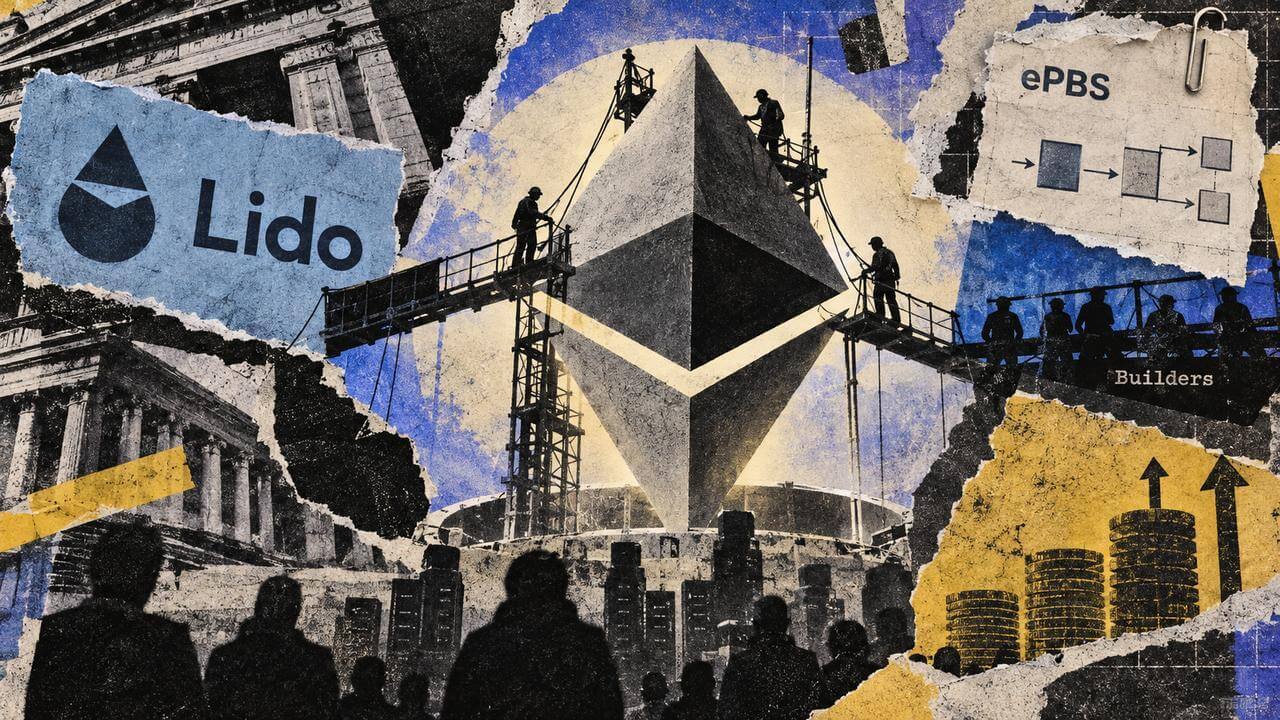
Ethereum block builders in 2026 are facing a critical architectural crossroads: they must either commit to massive capital lockups to operate trustlessly or accept the risks of centralized intermediaries to stay competitive. The implementation of encapsulated Proposer-Builder Separation (ePBS) is intended to bake builder security into the protocol, but the high collateral required to guarantee block validity creates a significant barrier to entry for smaller players. Without the ability to 'lock up' significant cash reserves, many builders are being pushed toward trusted relay auctions, which lower costs but reintroduce central points of failure.
The current debate, highlighted by Lido’s recent evaluation of ePBS costs, reveals that the financial burden of trustless block production could favor large-scale liquidity providers. For builders, the 'cost of trust' is becoming a defining metric; those who cannot afford the high collateral requirements of the ePBS framework are forced to use third-party brokers to facilitate payments to proposers. This dynamic risks creating a two-tier system where only the most well-capitalized firms can participate in the most lucrative MEV (Maximum Extractable Value) opportunities without a middleman.
From a regulatory and market perspective, this shift is significant. US-based validators and staking services are closely watching these developments as they seek to balance compliance with protocol-level decentralization. If the ePBS model leads to further builder consolidation, it could attract unwanted scrutiny regarding the censorship resistance of the Ethereum network. Market participants should expect fluctuations in ETH staking yields as the network adjusts to these new economic incentives for block production.
Moving forward, investors and developers should watch for updates to Ethereum’s engine API and potential governance changes within the Lido DAO that could subsidize builder costs. The success of relay auctions as a bridge between high-collateral ePBS and legacy systems will determine if Ethereum can maintain its competitive edge against more centralized, high-throughput rivals. The outcome will likely dictate the path of MEV distribution and the long-term health of the Ethereum validator ecosystem throughout the remainder of 2026.