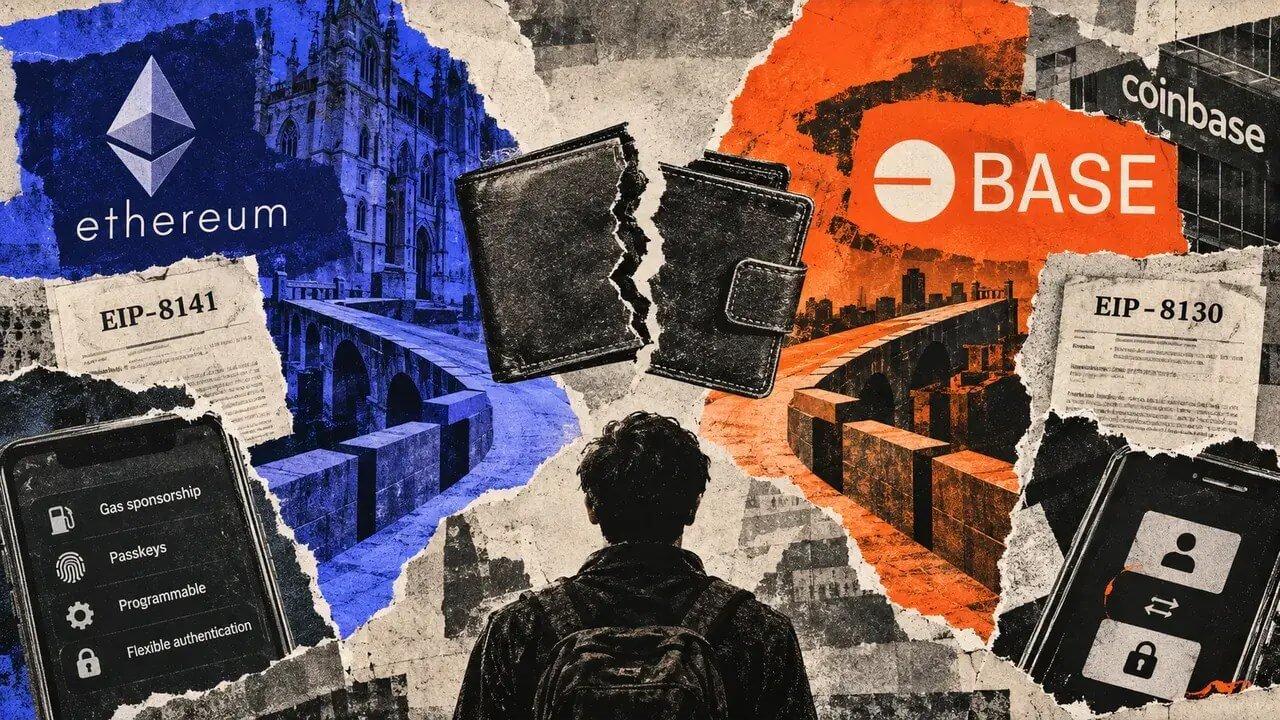
The collaboration between the Ethereum Layer-2 network Base and Ethlabs officially ended on September 14, 2026, after developers failed to reach a consensus on a unified standard for account abstraction. The split occurred because the teams could not reconcile the technical frameworks of EIP-8141 (Frame Transactions) and EIP-8130, which were intended to streamline how smart contract wallets interact across the ecosystem. This breakdown effectively halts the push for a singular, industry-wide wallet standard that would have simplified the user experience for millions of retail crypto users.
The disagreement centered on how transaction data should be structured and processed at the protocol level. Ethlabs researcher Derek Chiang noted that while both teams shared the vision of making blockchain interaction "invisible" to the end-user, the architectural requirements for Base’s specific L2 implementation were incompatible with the broader Frame Transaction model proposed in EIP-8141. By moving forward separately, Base will likely prioritize its own proprietary "Smart Wallet" infrastructure, which is deeply integrated with Coinbase’s existing US user base, rather than waiting for a universal Ethereum Improvement Proposal.
For US-based investors and developers, this development is a double-edged sword. While Coinbase’s ability to ship its own wallet solutions may lead to faster short-term adoption, it risks creating "walled gardens" within the Ethereum ecosystem. Regulatory bodies in the United States have recently increased their focus on wallet providers and L2 sequencing; a lack of standardized decentralization protocols could complicate future compliance for cross-chain services and consumer protection audits.
Market sentiment regarding Ethereum’s roadmap—specifically the scalability phase known as "The Surge"—has cooled slightly following this news. Interoperability remains the primary hurdle for Ethereum to reclaim its dominant market share against monolithic chains like Solana. If major L2s like Base, Optimism, and Arbitrum cannot agree on account abstraction standards, users will continue to face fragmented balances and complex bridging requirements, which serves as a major friction point for institutional entry.
Looking ahead, the industry should monitor whether other OP Stack chains follow Base’s lead or stick to the Ethlabs-led EIP-8141 standard. The next Ethereum developer summit in November 2026 will likely be the final opportunity for a compromise. Until then, users should expect a fragmented landscape where a wallet created on Base may not offer the same "abstracted" benefits when interacting with other Ethereum-aligned networks.