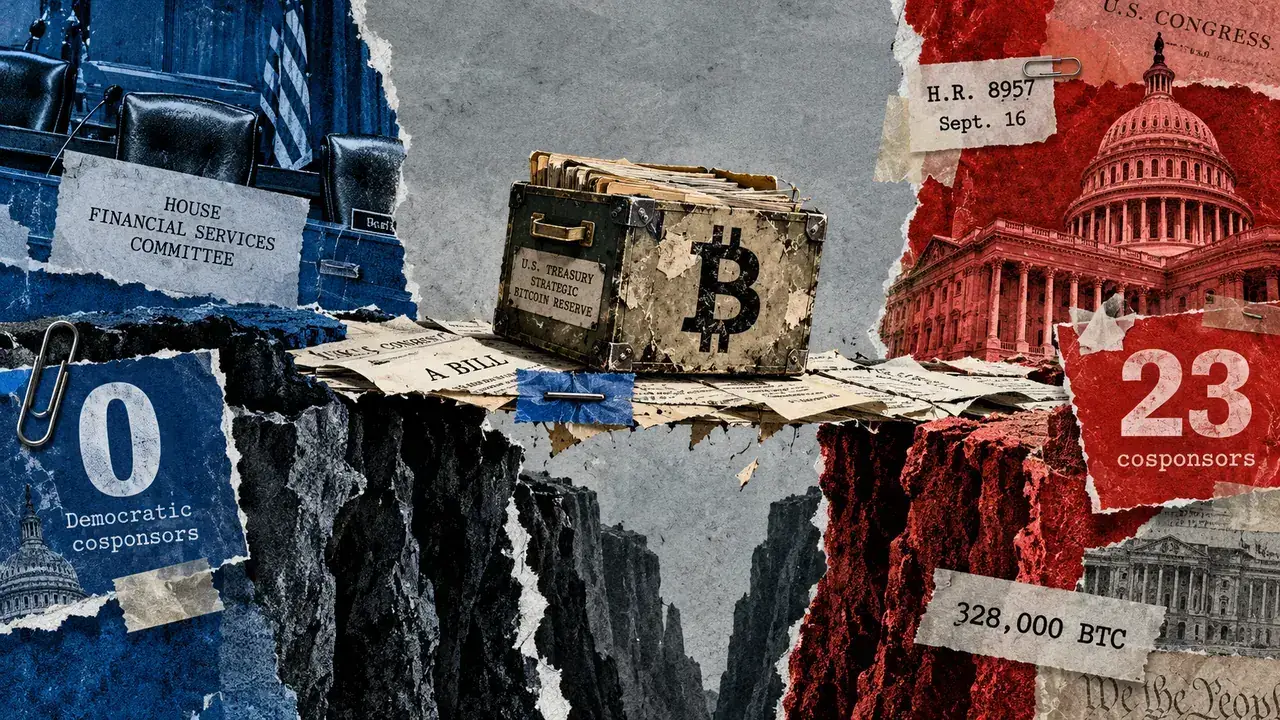
The House committee vote scheduled for Wednesday, September 16, 2026, will determine the immediate legislative future of the American Reserve Modernization Act (ARMA), a bill that would establish the first formal U.S. federal Bitcoin reserve. Despite the high stakes for the digital asset industry, the bill faces a steep uphill battle; currently, only one Democrat has cosponsored the act, and notably, that individual does not sit on the committee overseeing the vote. This partisan divide marks a significant departure from the broader bipartisan cooperation seen in recent crypto-related legislation.
The ARMA bill aims to transform how the federal government manages its Bitcoin holdings, moving beyond simple asset seizures toward a strategic, long-term reserve. Proponents argue that a codified reserve would provide the U.S. with a competitive edge in the global digital economy and offer a hedge against traditional fiscal volatility. However, the lack of Democratic engagement on the committee suggests that concerns regarding market volatility and the environmental impact of Bitcoin mining still weigh heavily on the minds of key legislators.
From a regulatory perspective, the outcome of this vote will signal whether the concept of a 'Strategic Bitcoin Reserve' has actual political legs or remains a fringe policy goal. If the committee fails to move the bill forward, it could dampen institutional enthusiasm for U.S.-led crypto initiatives, as it would indicate that the government is not yet ready to treat Bitcoin as a legitimate sovereign reserve asset. Conversely, a positive outcome would likely trigger a wave of similar legislative efforts at the state level.
Investors and analysts should closely watch the Wednesday hearing for any last-minute amendments intended to broaden the bill’s appeal. Key indicators of success will include any shift in rhetoric from committee Democrats or the introduction of provisions related to consumer protection or energy transparency. If the bill stalls, the market focus will likely shift back to private sector adoption and the potential for a Bitcoin reserve to be revisited after the next election cycle.