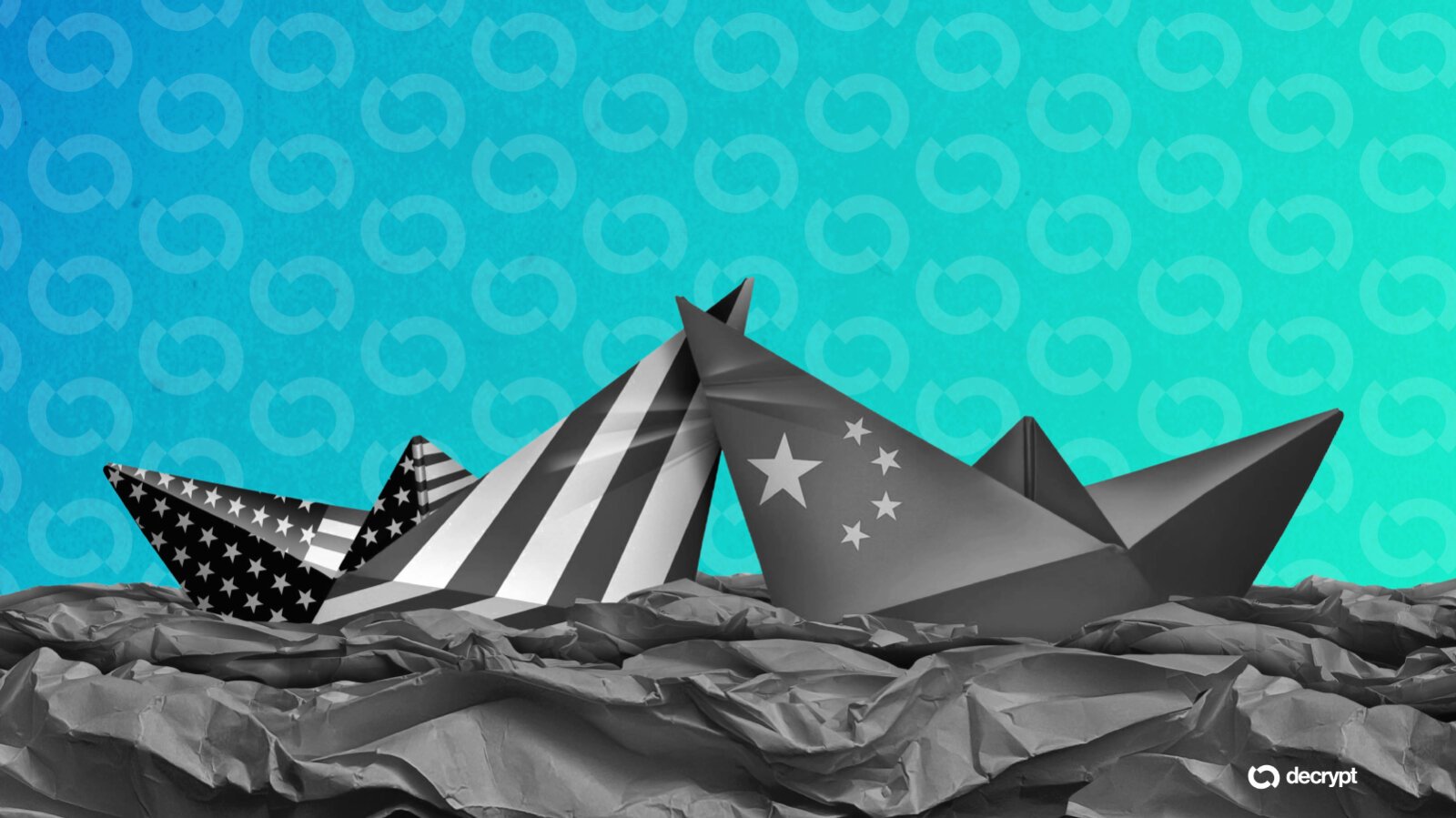
The ongoing friction between Washington and Beijing, combined with intense commercial competition, has effectively collapsed the prospect of a coordinated global AI slowdown in 2026. According to analysts from the Atlantic Council, voluntary safety pledges by major tech firms lack the enforcement mechanisms needed to survive the current 'AI arms race.' For the cryptocurrency market, this geopolitical deadlock serves as a catalyst for the Decentralized AI (DeAI) sector, as developers increasingly prioritize protocols that operate outside the reach of fragmented national regulations and trade bans.
The core of the issue lies in the mutual suspicion that any pause in development by one nation will be exploited by the other. While the U.S. pushes for safety frameworks that align with democratic values, China remains wary of any standards that might limit its technological sovereignty or economic growth. This stalemate has prevented the establishment of 'red-line' agreements regarding autonomous agents and large-scale model training, leading to a bifurcated tech landscape where innovation outpaces oversight.
For crypto investors, this environment underscores the utility of decentralized compute and storage providers. As centralized entities face potential export controls or mandatory 'kill-switches' under new domestic laws, decentralized networks offer a neutral, censorship-resistant infrastructure for AI training. However, this shift also brings risks; the lack of international safety standards means that decentralized protocols may become the primary battleground for regulatory enforcement, as governments look to target the crypto-to-fiat on-ramps associated with these platforms.
Looking ahead through the remainder of 2026, market participants should watch for new 'Proof of Compute' regulations from the U.S. Treasury, which may attempt to impose KYC requirements on decentralized GPU providers to prevent foreign adversaries from accessing high-end hardware. The ability of DeAI projects to integrate autonomous, on-chain safety guardrails will likely determine their success in attracting institutional capital amid this global policy paralysis.