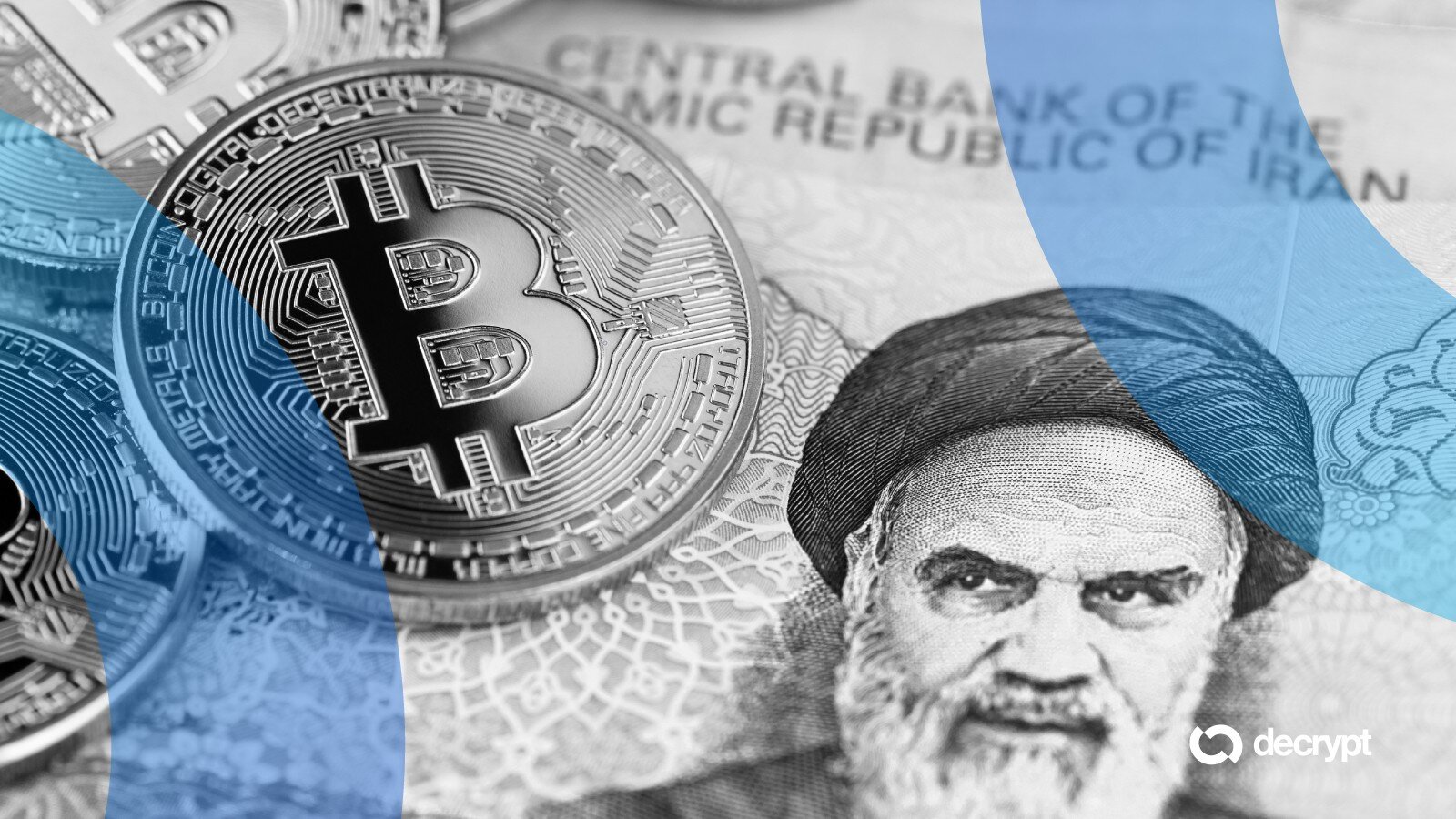
The US Department of Justice has moved to seize approximately $61 million in cryptocurrency held in Binance accounts, alleging the funds are the proceeds of a sophisticated scheme to bypass sanctions on Iranian oil. According to federal prosecutors, two Chinese companies utilized these accounts to launder profits from the sale of Iranian petroleum, which directly benefits the Iranian government and its military operations. The seizure reflects a heightened effort by US authorities to track and intercept the flow of capital through major digital asset platforms that intersect with international trade and sanctioned entities.
The investigation highlights a complex web of transactions where oil sales were allegedly masked through shell companies and then converted into cryptocurrency to move funds across borders undetected. By targeting the specific Binance accounts associated with these Chinese entities, the US aims to disrupt the financial infrastructure supporting Iran’s energy exports. This case serves as a stark reminder of the regulatory risks associated with high-volume accounts on centralized exchanges, particularly those with ties to jurisdictions under heavy US sanctions scrutiny.
Geopolitically, this move intensifies the friction between the US, China, and Iran. While the US continues to leverage the dollar-centric financial system to enforce its foreign policy, the use of blockchain technology by these companies shows an evolving tactic in sanctions evasion. For the broader crypto market, this signals that US regulators are not only monitoring individual illicit actors but are also aggressively targeting the institutional-level pipelines used to fund state-sponsored activities. It highlights the critical importance of robust Know Your Business (KYB) and Anti-Money Laundering (AML) protocols for global exchanges.
Investors and exchange users should watch for further enforcement actions targeting similar laundering rings, as the US appears to be utilizing more advanced chain-analysis tools in 2026 to link physical commodity trades to digital wallet activity. While Binance has cooperated with authorities in various capacities, the continued use of its platform for such large-scale laundering operations may lead to renewed pressure on the exchange to implement stricter geographical and corporate onboarding restrictions.