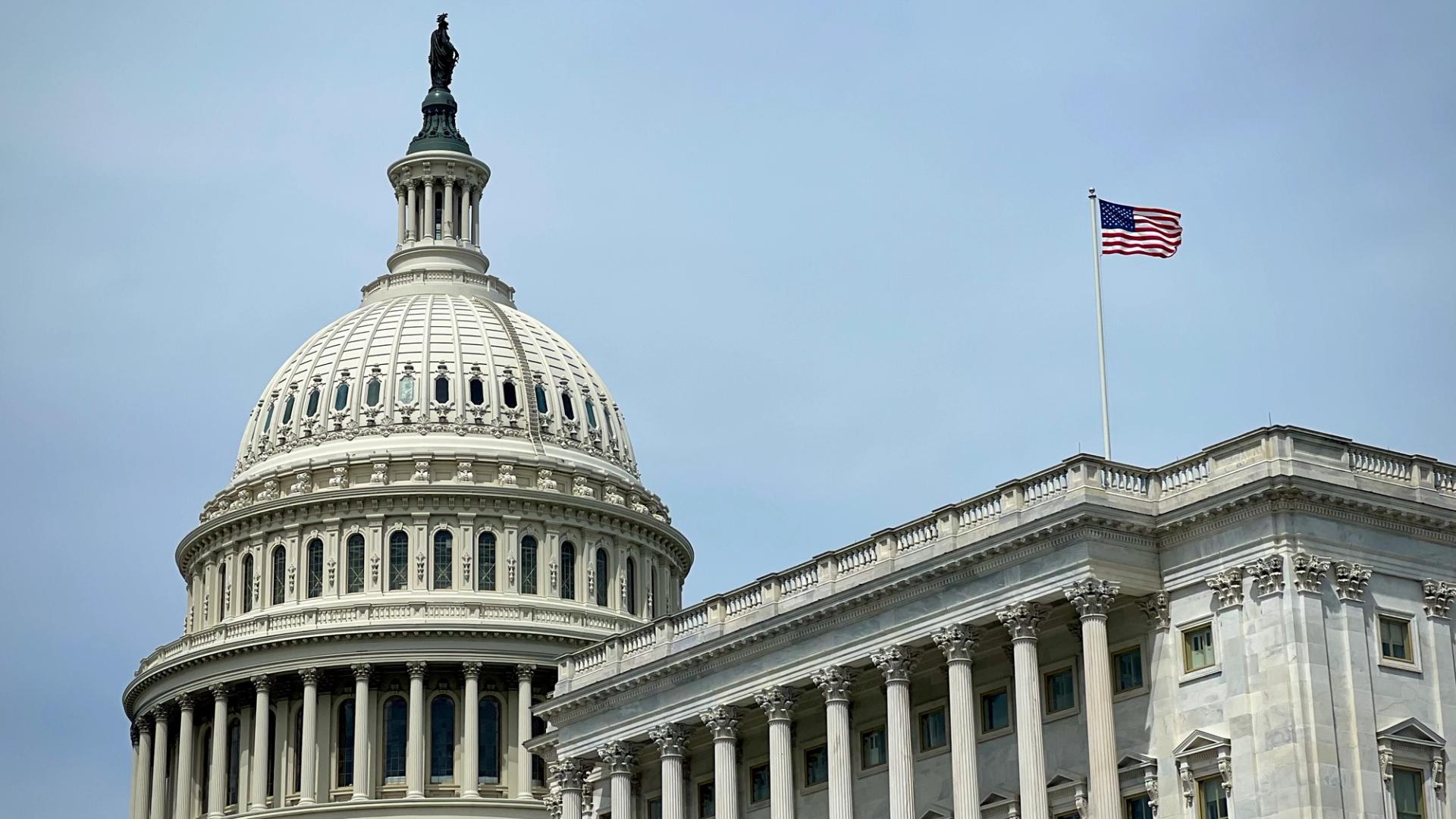
The U.S. Senate’s failure to pass the Crypto Clarity Act in 2026 marks a major setback for the multi-year effort to provide definitive legal status for digital assets in America. By failing to clear the critical 60-vote hurdle, the bill has effectively stalled, meaning that comprehensive federal rules for exchange registration and asset classification will not be implemented this year. For the crypto industry, this result reinforces the status quo of 'regulation by enforcement,' where the SEC and CFTC continue to define the rules through lawsuits rather than legislation.
The legislative defeat followed months of intense lobbying and debate regarding the jurisdictional split between the SEC and the CFTC. While the House of Representatives had shown more appetite for the bill earlier in the 2026 session, Senate skeptics raised concerns about consumer protection gaps and the potential for the bill to undermine traditional banking oversight. This political gridlock highlights a fundamental disagreement in Washington over whether crypto requires a bespoke legal regime or should be forced to fit into decades-old securities frameworks.
For market participants, the failure of the Crypto Clarity Act means that institutional-grade regulatory certainty remains out of reach. Large US-based exchanges and custodians now face continued uncertainty regarding which assets they can safely list without triggering federal investigations. This lack of a clear domestic path is likely to accelerate the trend of 'offshoring,' where digital asset firms move their primary operations to jurisdictions like the EU or UAE that have already codified comprehensive crypto laws.
Looking forward, investors should monitor upcoming judicial decisions in high-profile SEC cases, as the courts will now be the primary venue for determining crypto's legal status in the absence of a legislative solution. With the Crypto Clarity Act effectively dead for this session, the industry's focus may shift toward smaller, targeted bills addressing specific niches like stablecoin reserves or tax reporting, which may face less resistance than a total market overhaul.