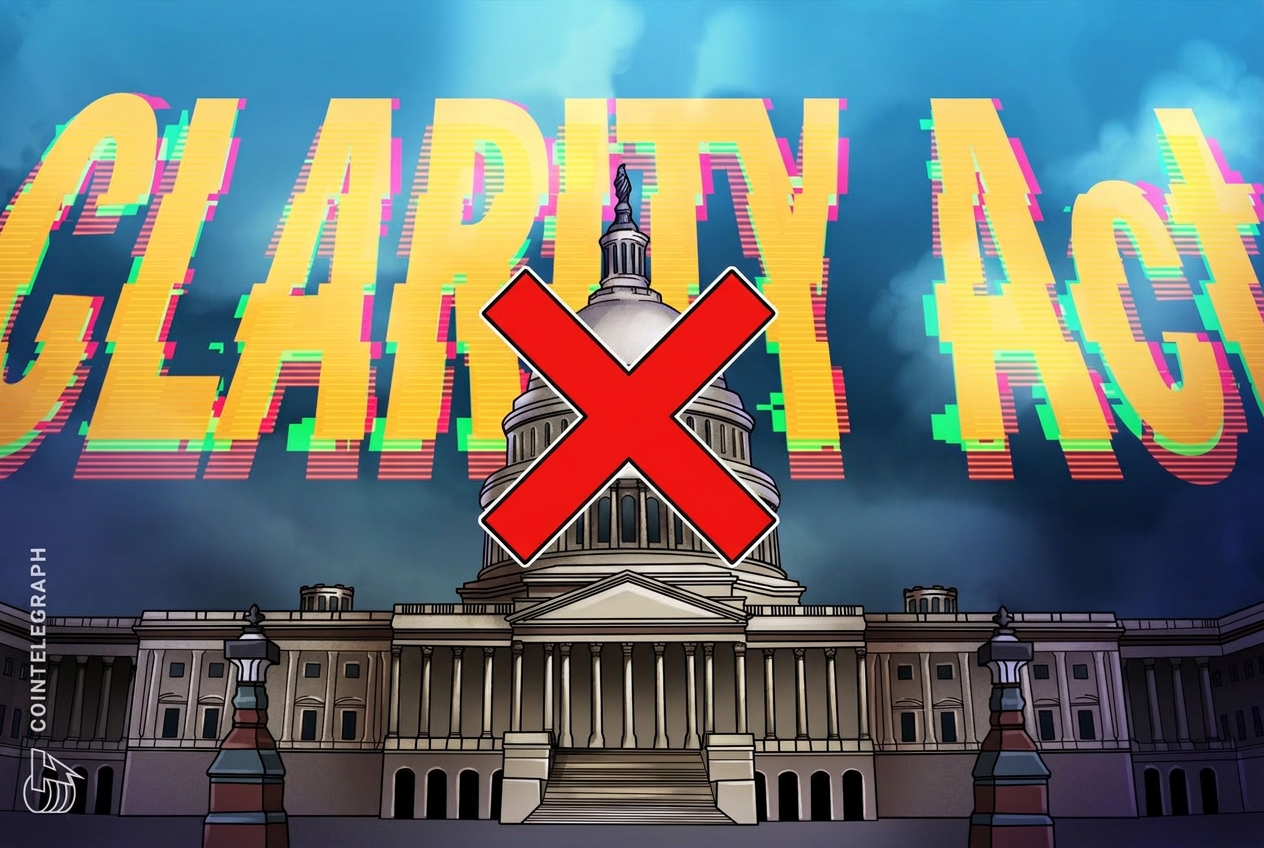
The US Senate’s failure to advance the CLARITY Act via a procedural vote has effectively stalled the most significant crypto oversight bill of 2026. The legislation, which aimed to establish clear jurisdictional boundaries for digital assets and consumer protection, fell short of the necessary support due to ongoing disagreements regarding ethics provisions and the scope of regulatory reach. For the crypto industry, this means a continuation of the "regulation by enforcement" era as federal clarity remains out of reach for the foreseeable future.
The gridlock follows months of intense negotiations where the primary sticking points involved the ethics requirements for crypto firms and how much authority should be delegated to specific federal agencies. While some senators pushed for a comprehensive framework to foster domestic innovation, others expressed concerns that the current version of the bill did not do enough to ensure transparency among major industry players or prevent conflicts of interest. The failed vote signals that the bipartisan consensus required for such a sweeping overhaul is still missing.
For US-based crypto exchanges and digital asset service providers, this legislative stall creates a prolonged period of legal ambiguity. Without the CLARITY Act, firms must continue navigating a patchwork of state-level regulations and aggressive oversight from various federal bodies. This lack of a unified federal standard often discourages large-scale institutional investment, as many traditional finance players have been waiting for a codified legal framework before fully entering the digital asset market.
Market analysts suggest that the failed vote could lead to a pivot toward smaller, more targeted pieces of legislation rather than a single comprehensive bill. Investors should keep a close eye on upcoming committee hearings throughout the second half of 2026, as proponents of the Act may attempt to reintroduce specific provisions through alternative legislative vehicles or bipartisan amendments. Until the Senate can bridge the gap on oversight standards, the US crypto landscape will likely remain characterized by court battles rather than legislative progress.