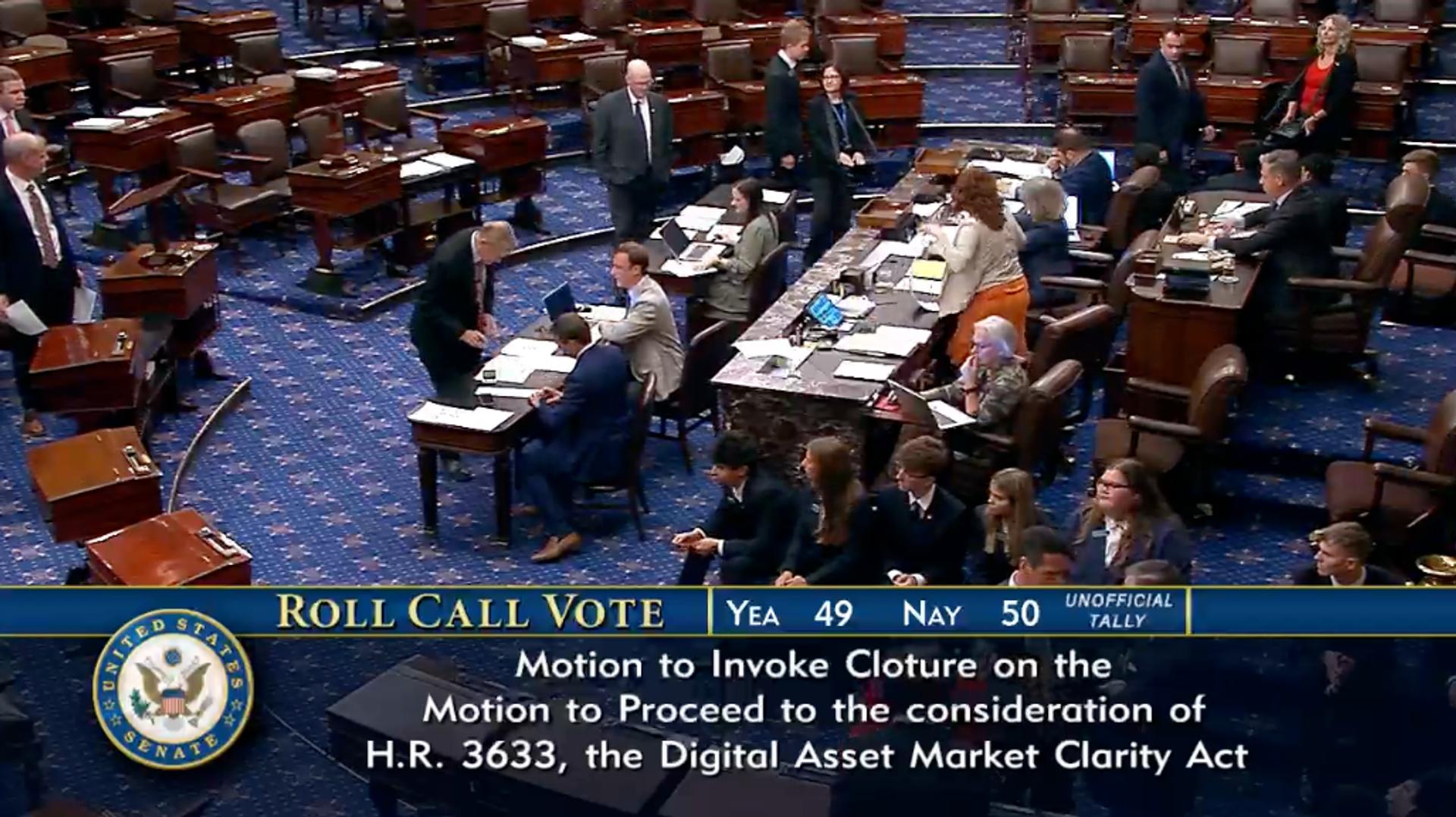
The derailment of the Crypto Clarity Act in late 2026 was primarily caused by internal partisan disputes and intense lobbying regarding the division of power between the SEC and CFTC. Despite earlier optimism that the bill would finally provide a comprehensive market structure for the industry, late-hour disagreements over consumer protection clauses and stablecoin reserve protocols prevented a consensus vote, effectively shelving the legislation for the remainder of the session. Industry leaders have expressed frustration as the 'Clarity' promised by the act was abandoned in favor of last-minute political maneuvering.
Behind-the-scenes negotiations reportedly collapsed when several key committee members introduced amendments that would have significantly increased the compliance burden for decentralized finance (DeFi) protocols. These 'conductors' of the bill’s failure included both banking-aligned lawmakers wary of stablecoin competition and regulatory hawks who felt the bill was too lenient on digital asset exchanges. The resulting impasse has frustrated crypto advocacy groups who spent the better part of 2026 campaigning for this specific legislative package as the definitive solution to the U.S. regulatory stalemate.
The implications for the market are significant, particularly for US-based institutional platforms and liquidity providers that had already begun aligning their 2027 roadmaps with the bill’s expected passage. Without a clear legal definition for digital commodities versus securities, the industry remains vulnerable to 'regulation by enforcement.' This failure likely pushes any potential federal framework into the 2027 legislative calendar, forcing companies to continue navigating a fragmented landscape of state-level rules and conflicting federal agency mandates.
Looking ahead, investors should monitor the SEC’s response, as the agency may interpret the bill’s failure as a mandate to continue its aggressive litigation strategy against major altcoin projects. Additionally, watch for a shift in focus toward individual state regulations, such as New York’s updated crypto frameworks, which may now serve as the de facto standard in the absence of federal action. The market is now bracing for a period of heightened volatility as the hope for immediate regulatory peace in the U.S. has been extinguished.