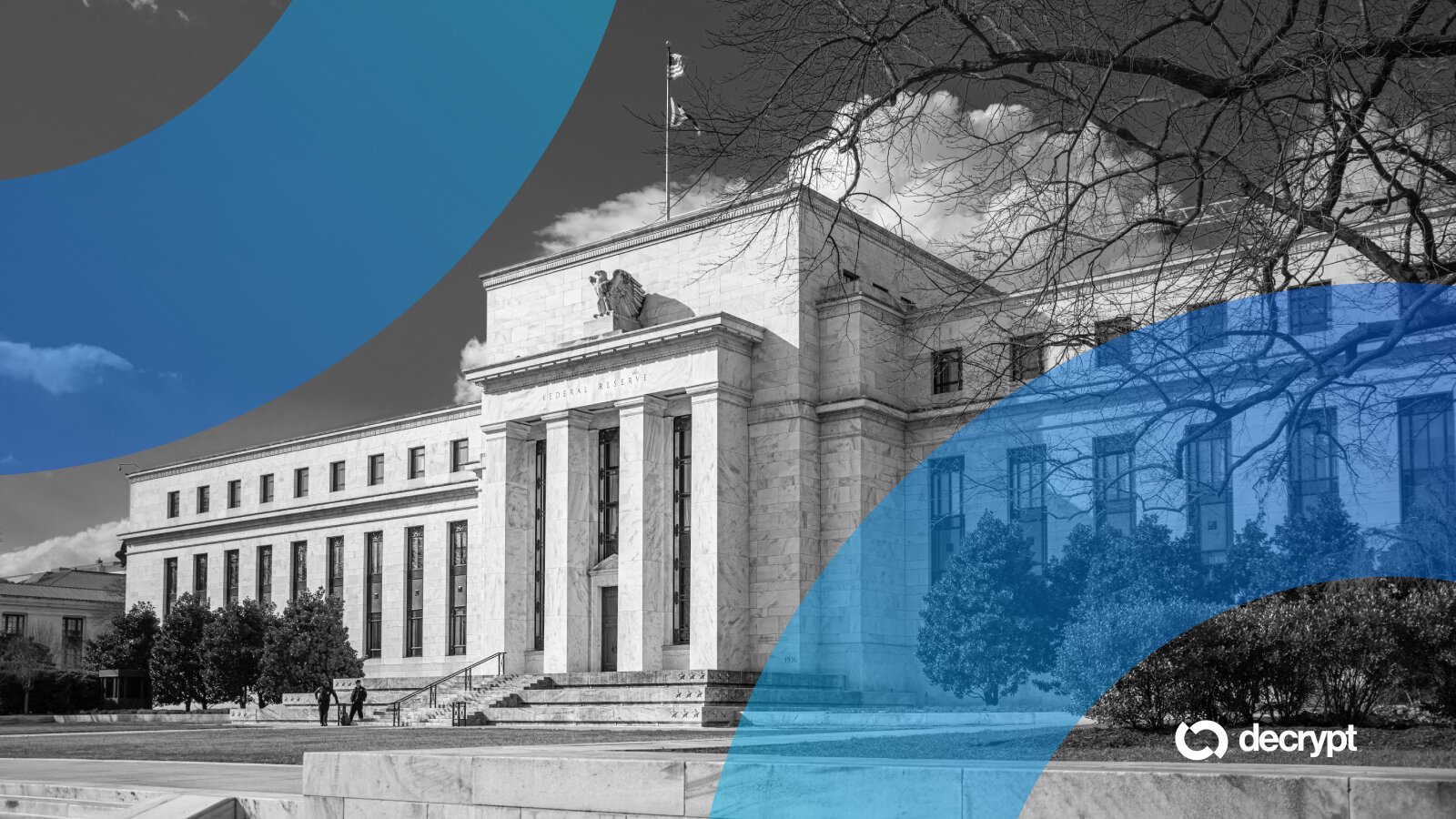
The projected 2026 Federal Reserve rate hike is expected to exert downward pressure on Bitcoin prices as rising borrowing costs typically reduce investor appetite for high-risk assets. While much of the move has been priced in by Wall Street, the actual implementation of the hike will likely strengthen bond yields, offering a competitive alternative to the crypto market. For Bitcoin, this represents a transition out of the high-liquidity environment that fueled its recent growth, forcing a re-evaluation of its role as a hedge against inflation versus a speculative risk asset.
Major banking institutions now align on the expectation that the Fed will abandon its holding pattern in response to 2026 economic data. This consensus has already begun to shift the bond market, with yields adjusting to reflect a more hawkish central bank. The geopolitical and domestic political context is equally heavy; the hike comes at a time when Donald Trump and other political figures are increasingly vocal about Fed independence and economic growth, creating a friction-filled backdrop for monetary tightening.
From a regulatory and political perspective, the fallout could be significant. If the rate hike leads to a market cooling, political pressure on the Fed to pivot back to cuts may intensify, especially with the 2026 political calendar in mind. Trump’s influence on market sentiment remains a wild card, as any public criticism of the Fed's decision could lead to sudden spikes in Bitcoin’s volatility, as the asset often reacts to narratives regarding the stability of the US Dollar and centralized financial institutions.
Investors should watch for the official FOMC statement and subsequent Treasury auctions to gauge how deeply the rate hike will penetrate the broader economy. If the transition to higher rates remains orderly, Bitcoin may find a new floor; however, a rapid spike in bond yields could trigger a broader sell-off in the crypto space. Monitoring the correlation between BTC and the 10-year Treasury yield will be critical for traders navigating the second half of 2026.