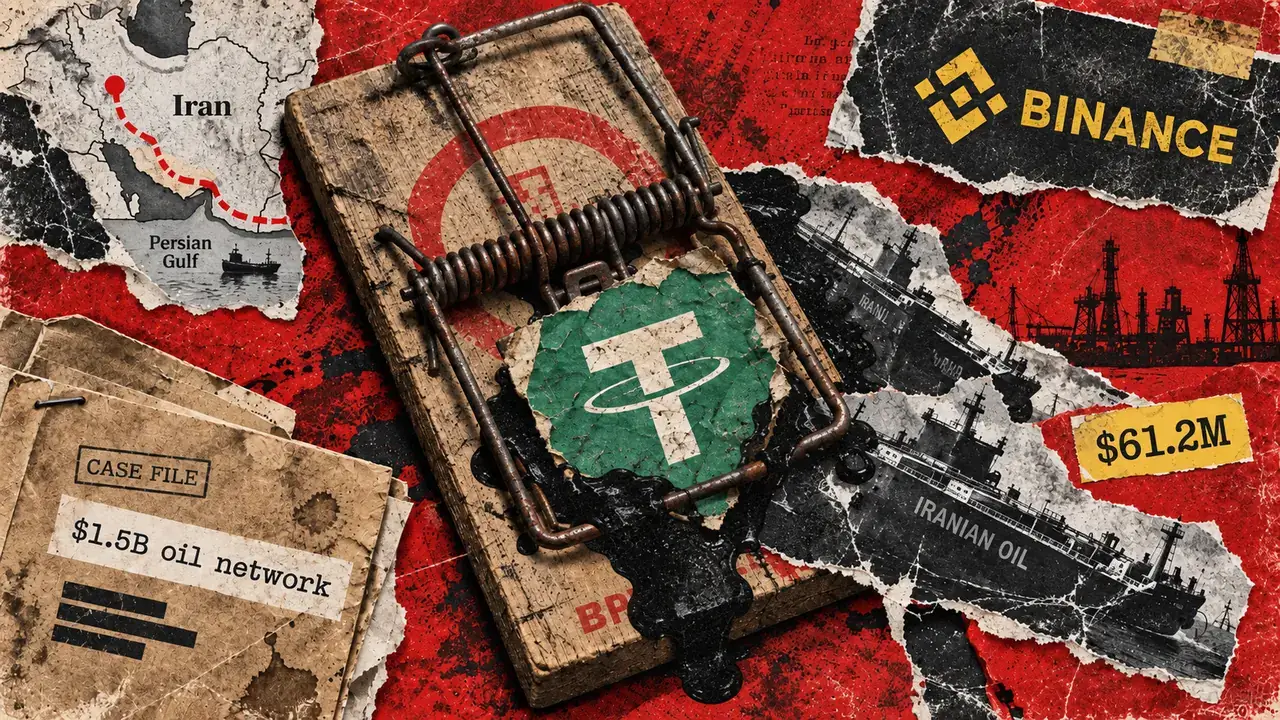
The US government is moving to take permanent custody of approximately $1.5 billion in Tether (USDT) linked to a sophisticated Iranian oil-for-crypto network. A forfeiture complaint filed on September 14, 2026, outlines the planned transfer of funds from ten specific Tron addresses into FBI custody. These assets were initially flagged and frozen in 2025 during an international investigation into sanctions evasion, but the new legal filing represents the final step in the formal seizure process by federal authorities.
According to the complaint, the illicit network utilized a combination of Tron-based USDT and accounts on Binance to facilitate the sale of sanctioned Iranian crude oil to global buyers. The operation relied on the high speed and low transaction costs of the Tron network to move massive volumes of value before the trail was identified by blockchain intelligence firms and US law enforcement. The case highlights the growing capability of the FBI to track and intercept stablecoin transactions that were once thought to be shielded by offshore exchange structures.
This legal action is a significant pillar of the U.S. government’s broader geopolitical strategy to enforce energy sanctions through blockchain transparency. By targeting the financial infrastructure used by the Iranian oil network, authorities are signaling that stablecoin issuers and exchanges must comply with U.S. Treasury mandates or risk losing access to the dollar-linked ecosystem. The cooperation between Tether, Binance, and the FBI in this case underscores a tightening regulatory noose around high-value illicit crypto corridors.
For the broader crypto market, this seizure serves as a reminder of the 'kill switch' capabilities inherent in centralized stablecoins like USDT. While the move is a victory for law enforcement, it continues to spark debate regarding the censorship-resistance of digital assets held on centralized ledgers. Investors should monitor whether this forfeiture leads to further crackdowns on other Tron-based liquidity pools or triggers new compliance requirements for exchanges operating in the Middle East and Southeast Asia.