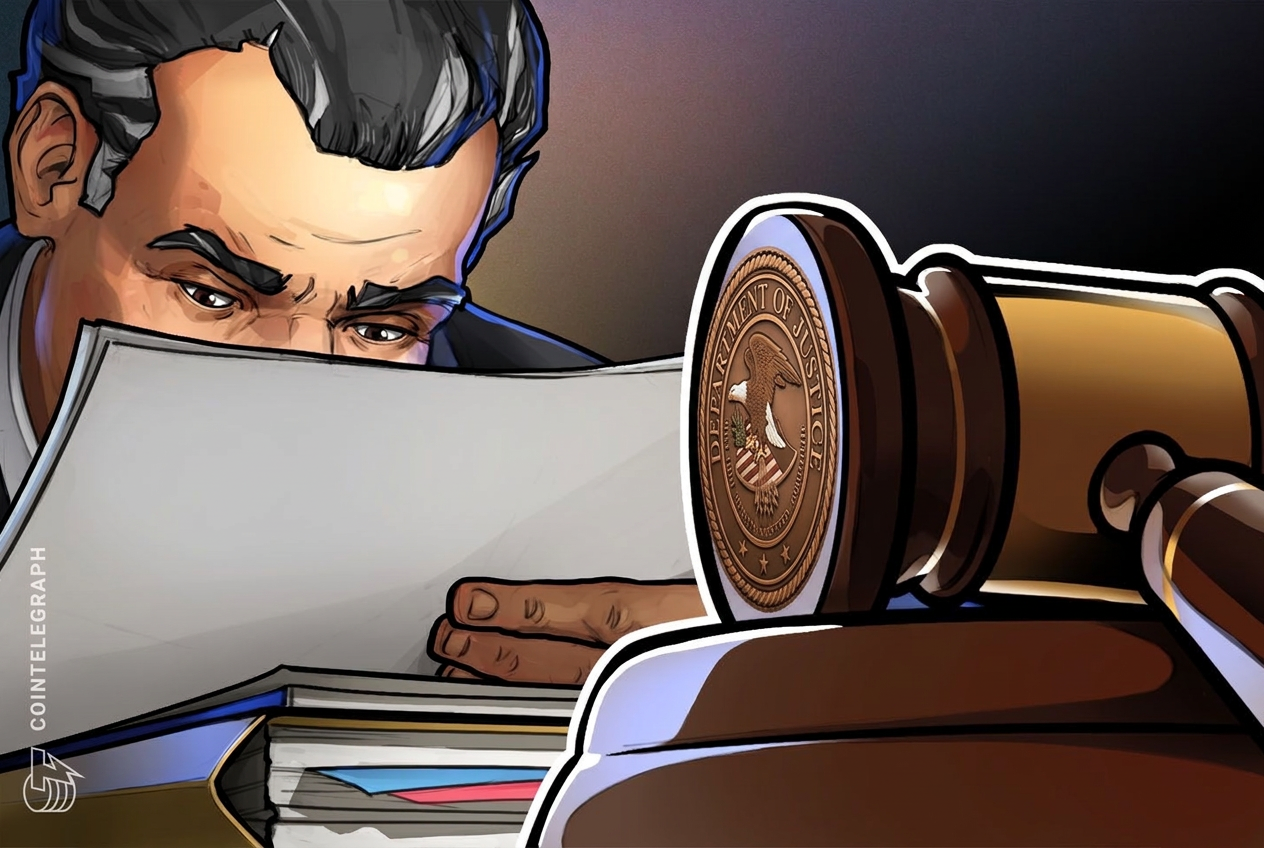
In January 2026, federal prosecutors unsealed charges against a group of former Robinhood engineers for an alleged insider trading scheme involving Hyperliquid perpetual contracts. The individuals are accused of using their access to Robinhood’s internal token listing schedule to place strategic trades on decentralized platforms before the listings were made public. By leveraging non-public information, the engineers were able to capitalize on the predictable price volatility that follows a major exchange listing announcement.
The investigation highlights a shift in how US regulators monitor decentralized finance (DeFi). The defendants reportedly believed that trading on Hyperliquid, a decentralized perpetual exchange, would shield them from the scrutiny typically applied to centralized markets. However, the DOJ and SEC have utilized advanced chain-analysis tools to link the timing of these off-chain listing decisions to the on-chain trades, resulting in charges of wire fraud and conspiracy.
This case is significant for the broader crypto market as it establishes a clear precedent that the US government views front-running exchange listings as a criminal offense, even when executed through decentralized derivatives. It reflects an intensifying geopolitical and regulatory effort to hold employees of centralized US financial institutions accountable for their actions across the entire crypto ecosystem, regardless of whether the platform used for the trade is regulated.
For investors and market participants, this enforcement action likely means stricter internal controls at major exchanges like Robinhood, Coinbase, and Kraken. Moving forward, the industry should expect more rigorous 'blackout' periods for developers and a potential decrease in the immediate 'listing pump' effect as the market adjusts to heightened surveillance. Readers should watch for additional subpoenas being issued to other DeFi protocols as regulators look for patterns of similar pre-listing activity.