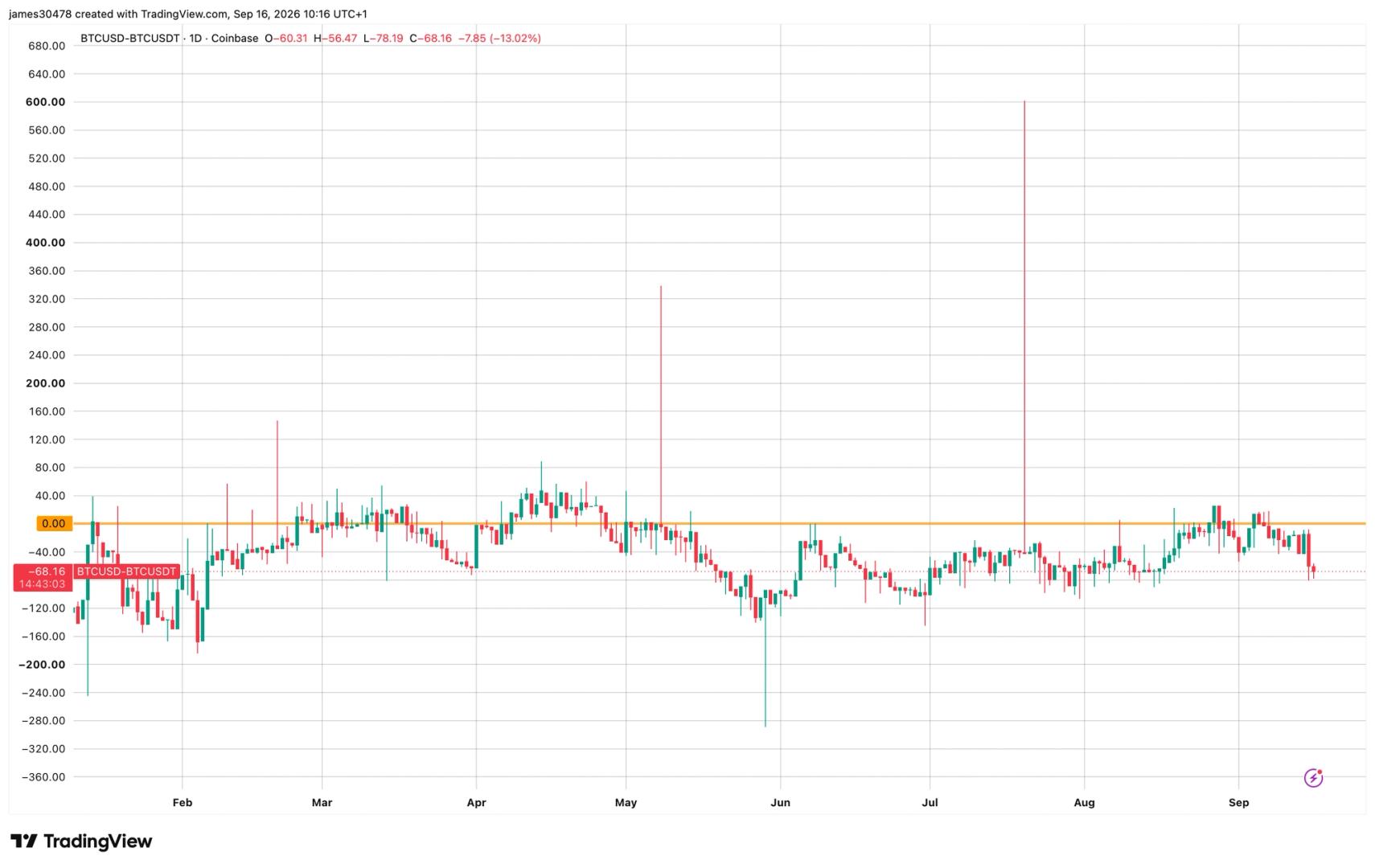
Bitcoin’s Coinbase premium has plunged to a one-month low in mid-2026 as U.S. demand faces a dual threat from regulatory disappointment and macroeconomic tightening. The primary catalysts for this decline are the recent legislative setback for the Clarity Act—a cornerstone of 2026 crypto market structure reform—and hawkish signals from the Federal Reserve suggesting further rate hikes. This shrinking premium indicates that the price of Bitcoin on U.S.-regulated exchanges is no longer trading at a significant markup compared to offshore platforms, reflecting a retreat by American institutional buyers.
The setback for the Clarity Act has particularly rattled the market, as the bill was expected to provide the definitive legal framework for digital asset custody and stablecoin oversight that U.S. banks have been waiting for. With the bill now stalled in committee, the legal ambiguity that plagued previous years has resurfaced, forcing many domestic funds to pause their accumulation strategies. This lack of institutional support is directly visible in the cooling of the 'Coinbase premium,' which historically serves as a barometer for U.S. spot buying pressure.
Compounding these regulatory woes is the Federal Reserve's latest stance on inflation. Despite earlier projections of a 2026 rate pause, recent economic data has prompted the Fed to signal that rates may stay 'higher for longer' or even increase in the next quarter. As interest rates rise, the opportunity cost of holding non-yielding assets like Bitcoin increases, leading U.S. traders to rotate out of crypto and back into treasury yields or cash-equivalent positions.
For market participants, the shrinking premium is a bearish signal for short-term price action, suggesting the 'U.S. engine' that drove Bitcoin's early 2026 gains is losing steam. Investors should closely monitor the next Senate hearing on the Clarity Act for signs of a revival, as well as the upcoming FOMC meeting minutes. A sustained return to a positive premium will be necessary to confirm that American institutional interest has returned to lead the next market leg up.