As of September 16, 2026, Bitcoin has significantly weakened its traditional inverse correlation with the U.S. Dollar Index (DXY) and its positive correlation with the S&P 500. While BTC typically falls when the dollar strengthens, recent price action shows the cryptocurrency carving out an independent path. This shift indicates that crypto investors are prioritizing idiosyncratic supply-demand dynamics and institutional adoption over the standard macroeconomic 'risk-off' playbook usually triggered by Federal Reserve uncertainty.
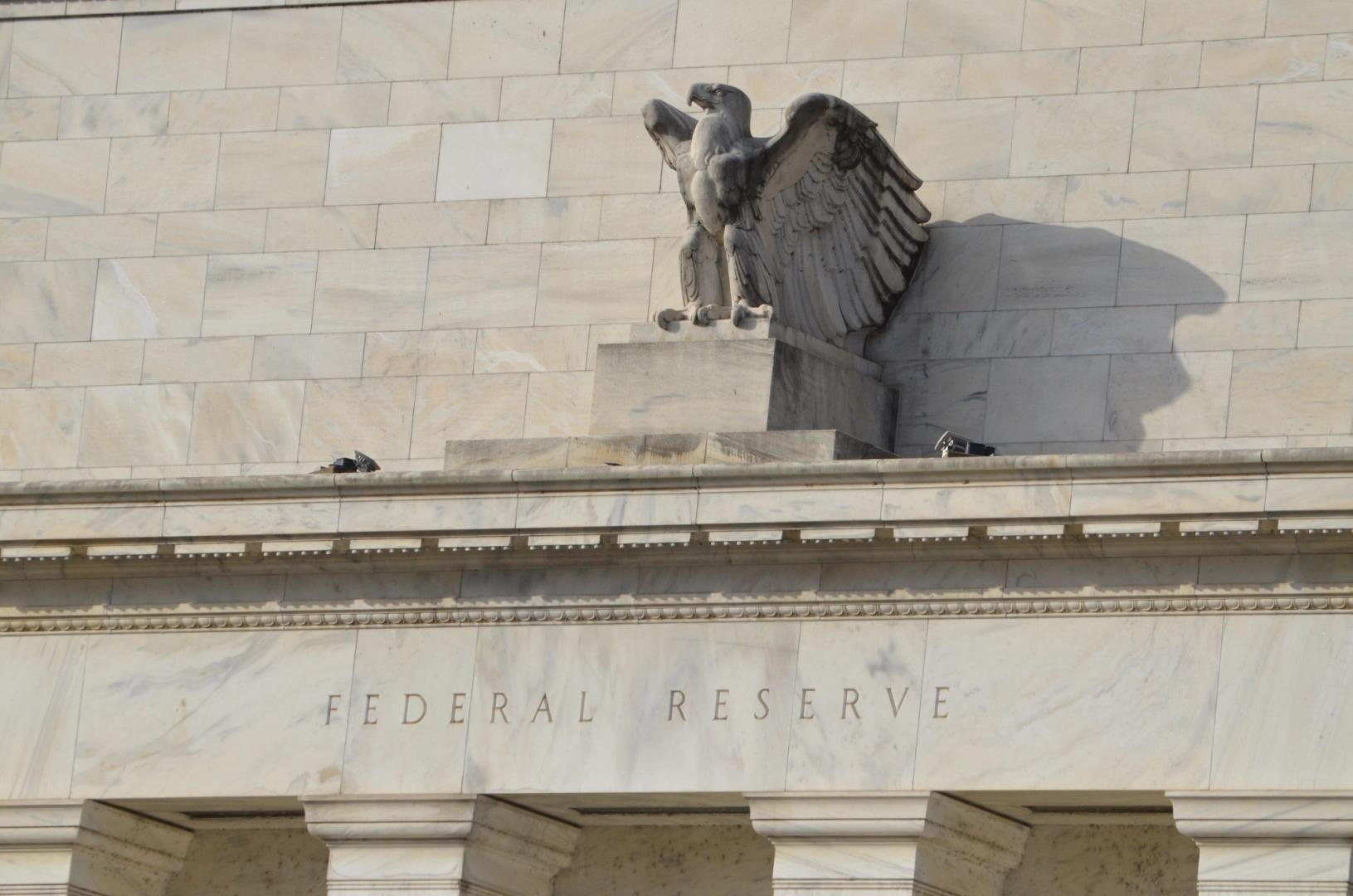
This trend comes at a critical juncture as the Federal Open Market Committee (FOMC) prepares to announce its latest interest rate decision. Historically, high-interest rate environments favored the dollar and pressured Bitcoin. However, the current 2026 market environment reflects a maturing digital asset class that increasingly serves as a hedge against fiat currency fluctuations, rather than just a speculative tech stock derivative. This breakdown in correlation suggests that traditional macro indicators may no longer be reliable predictors for short-term BTC price movements.
From a regulatory and geopolitical perspective, the U.S. remains focused on inflation targets and the strength of the greenback. Yet, Bitcoin’s resilience in the face of a fluctuating DXY highlights a growing global confidence in decentralized assets. For institutional traders, this means that standard portfolio balancing strategies involving BTC may need to be recalibrated to account for this newfound independence from the Nasdaq and other equity benchmarks.
Moving forward, market participants should watch the Fed's Wednesday announcement closely to see if Bitcoin maintains this divergence. If BTC remains stable or climbs while the S&P 500 reacts negatively to hawkish Fed rhetoric, it will solidify Bitcoin's status as a distinct asset class. Investors should monitor exchange inflows and ETF volume throughout the week, as these will likely drive price more than the DXY’s reaction to U.S. labor data or rate hikes.