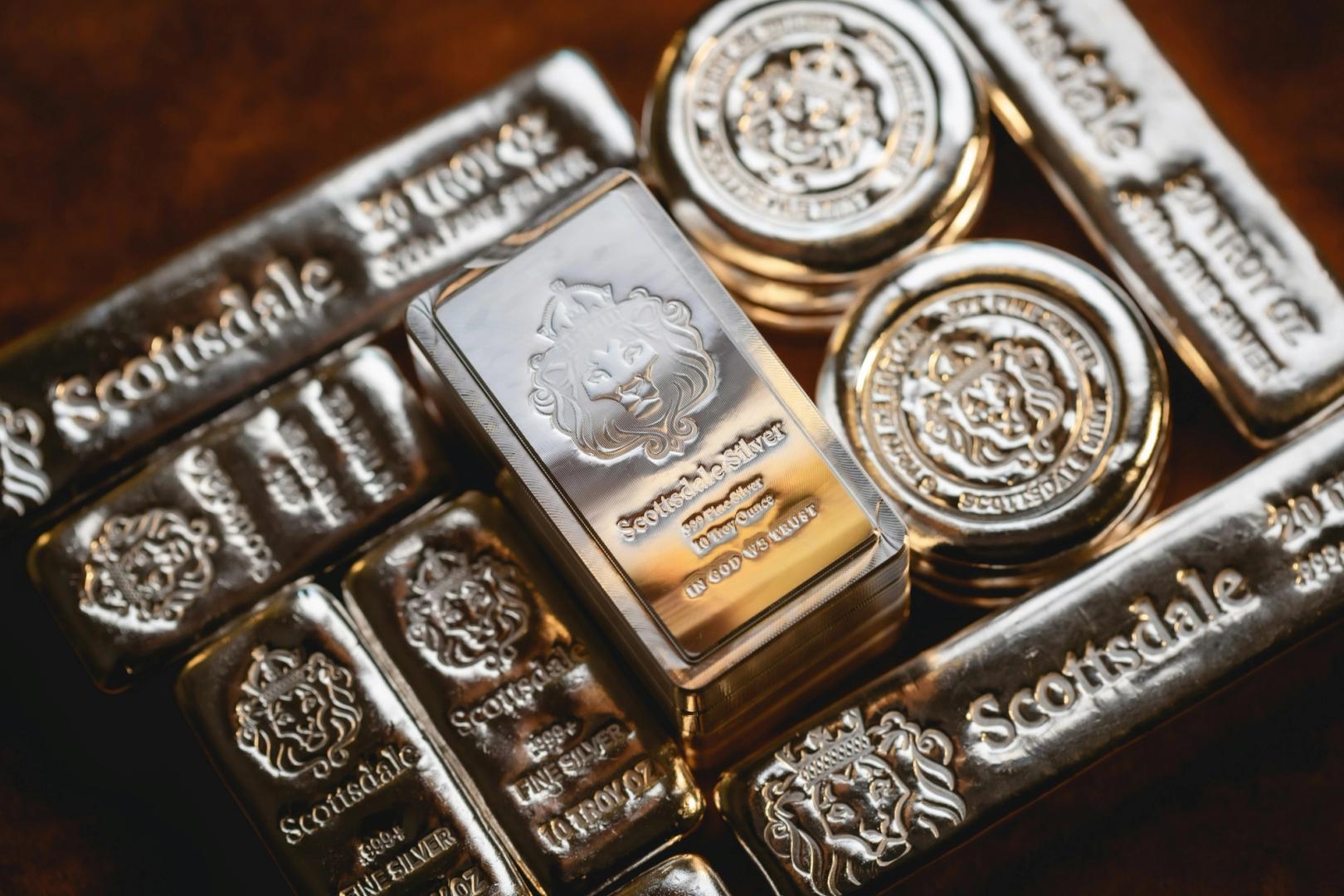
Theo’s thSLVR generates yield for investors by utilizing a decentralized lending model where the underlying physical silver is leased to institutional borrowers. Unlike traditional silver tokens that function as static stores of value, thSLVR holders retain full exposure to the market price of silver while simultaneously receiving a portion of the interest paid by industrial and financial institutions. This effectively transforms a traditionally non-productive commodity into a yield-bearing asset directly on the blockchain.
The platform has launched with $40 million in active leases, providing immediate utility and cash flow for the protocol. These leases are typically held by institutional entities that require physical silver for industrial applications or market-making activities. By tokenizing these credit-backed leases, Theo allows retail and institutional DeFi participants to access institutional-grade lending markets that were previously restricted to large-scale bullion banks.
In the current 2026 market environment, this move signals a maturation of the Real-World Asset (RWA) sector. US investors are increasingly seeking 'productive' versions of inflation hedges as the competition between tokenized commodities and yield-bearing stablecoins intensifies. Theo’s approach addresses the opportunity cost of holding precious metals, making it a more attractive proposition for long-term holders who previously had to choose between physical safety and capital efficiency.
Moving forward, market participants should watch the transparency of Theo’s auditing processes and the expansion of their lease pool. As more institutional borrowers enter the onchain space, the success of thSLVR may lead to a broader trend of 'leased commodities,' potentially expanding to gold or industrial metals. Investors should monitor the credit quality of the borrowers involved in the $40 million pool to assess the long-term risk-adjusted returns of the token.