The Digital Asset Tax Certainty Act simplifies cryptocurrency taxes by introducing a 'de minimis' exemption for small transactions, meaning users would no longer need to report capital gains or losses when using crypto to buy coffee or groceries. By treating small-scale digital asset transfers more like traditional currency rather than investment property, the bill removes a primary friction point that has historically discouraged the retail use of Bitcoin and stablecoins in the United States. This legislative push directly addresses the complexities that have plagued crypto-using taxpayers since the IRS first issued its restrictive guidance in 2014.
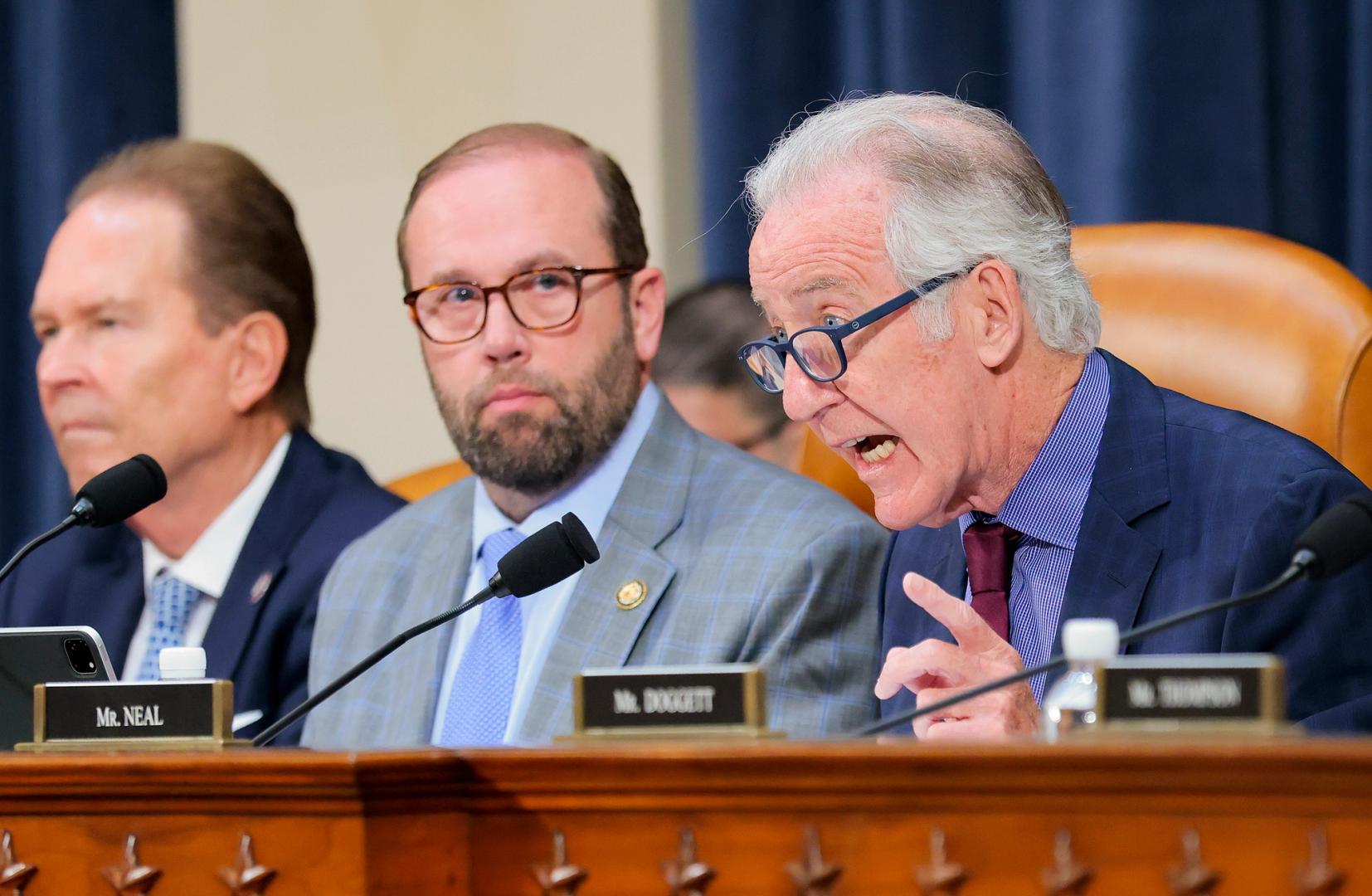
The bill’s advancement in the House Ways and Means Committee follows the recent legislative failure of the Clarity for Payment Stablecoins Act, signaling a shift in strategy for crypto-friendly lawmakers. While the bill aims to foster innovation, it has faced notable pushback from some committee members who expressed concerns regarding the influence of the Trump administration's ties to the crypto industry. Despite these political hurdles, the committee's decision to move the bill forward indicates a growing bipartisan recognition that the current tax code is a barrier to the practical utility of blockchain technology.
For the broader market, this act is a significant step toward the 'normalization' of digital finance. If passed into law, it would drastically reduce the compliance costs for both individual users and payment processors, likely leading to an uptick in the integration of crypto-pay options at major retailers. This change is particularly relevant for stablecoin issuers and Layer 2 scaling solutions that prioritize fast, low-cost consumer transactions.
Investors and everyday users should watch the bill’s progress as it moves toward a full House vote and eventual Senate deliberation. The key details to monitor include the specific dollar threshold for the tax exemption—previously debated at levels between $200 and $600—and any potential amendments that might limit which types of digital assets qualify. Furthermore, the IRS will need to issue updated reporting guidelines for exchanges and wallet providers if the Act successfully crosses the finish line in late 2026.