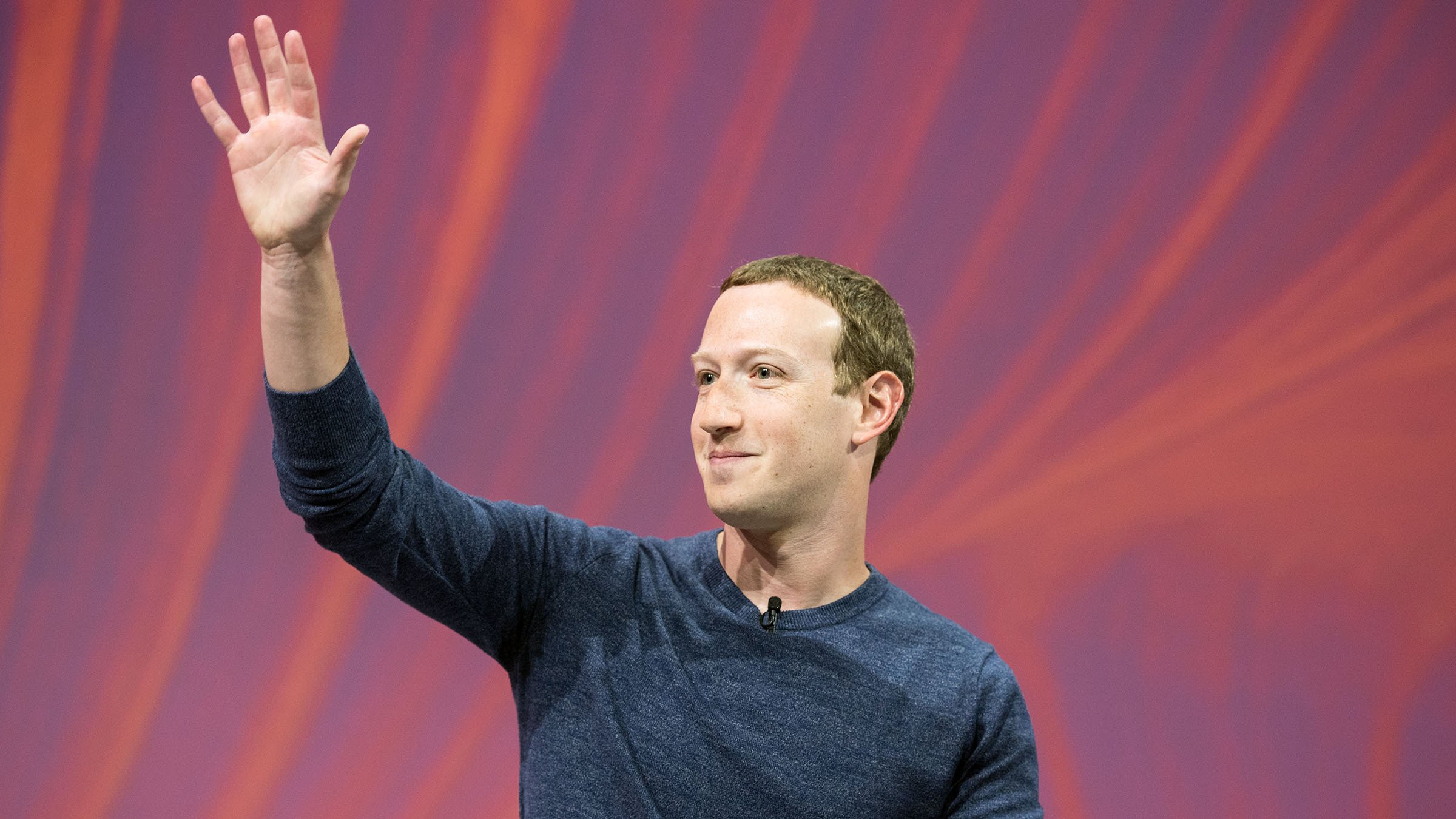
Meta CEO Mark Zuckerberg has officially pushed back against the proposal for a coordinated industry-wide slowdown of artificial intelligence development in 2026, asserting that individual laboratory accountability is a superior safety mechanism. Zuckerberg contends that the existing pressures of market competition and the threat of legal liability provide sufficient incentives for developers to prioritize safety protocols. He argues that a mandated pause would be counterproductive, potentially stifling domestic innovation while competitors outside of the coordinated agreement continue to advance.
To demonstrate this self-regulatory approach, Zuckerberg highlighted Meta’s recent decision to delay the launch of 'Muse,' the company’s highly anticipated multimodal AI model. This delay was not the result of a regulatory mandate but an internal tactical move to ensure the model met stringent safety benchmarks before a public rollout. For the crypto and decentralized finance sectors, this signal of 'full speed ahead' from Big Tech maintains high pressure on Decentralized Physical Infrastructure Networks (DePIN) and AI-integrated protocols to rapidly scale their own compute capabilities to remain competitive.
The refusal to slow down comes at a critical geopolitical juncture in 2026, as the US government debates new liability frameworks for AI developers. Zuckerberg’s stance shifts the conversation away from a moratorium toward a model of 'responsible acceleration.' This approach suggests that the demand for high-performance computing will continue to surge, directly impacting the valuation and utility of decentralized GPU rendering and compute marketplaces that serve as alternatives to centralized silos.
Moving forward, market participants should monitor upcoming US Senate hearings regarding AI liability and safety standards, as these will likely determine the legal 'teeth' Zuckerberg referred to. For the crypto market, this environment is generally favorable for AI-focused tokens and DePIN projects, as the absence of a coordinated slowdown ensures that the technological arms race—and the massive resource consumption that accompanies it—will continue unabated through the remainder of 2026.