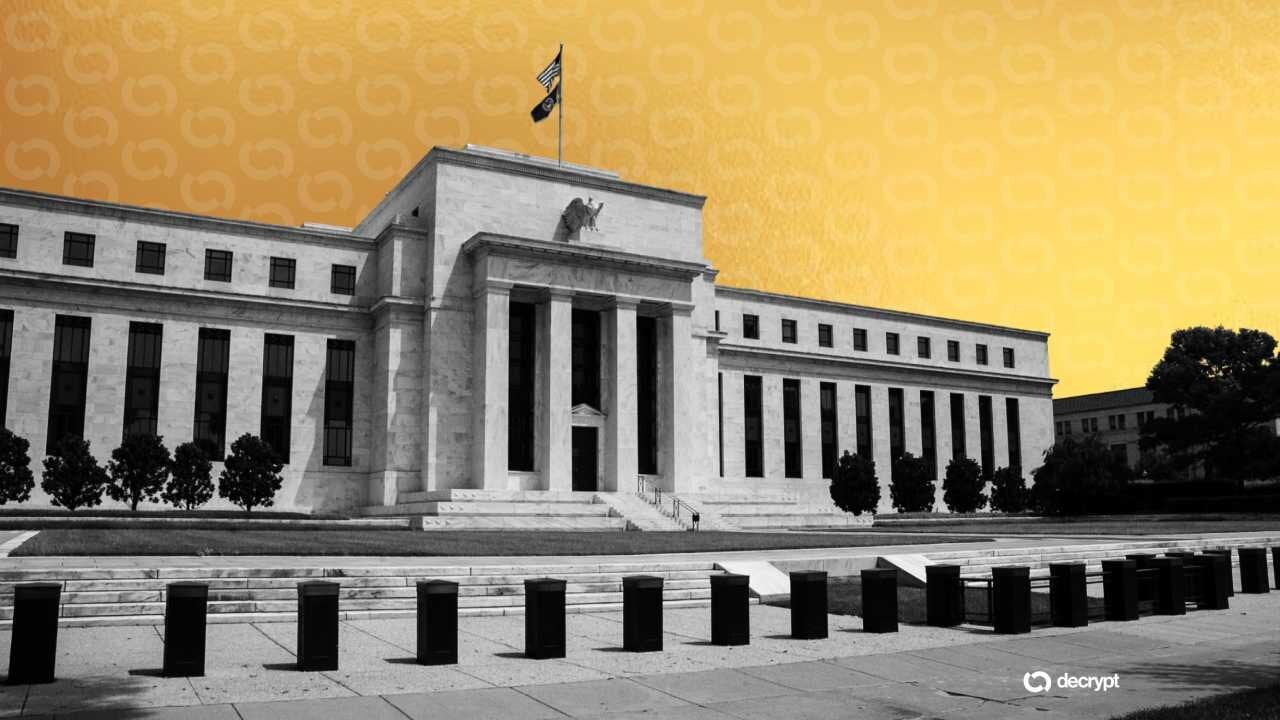
The Federal Reserve’s decision to raise interest rates in March 2026—the first such increase since the 2023 tightening cycle ended—resulted in a sudden Bitcoin price spike as investors reacted to a move that Wall Street had almost unanimously predicted. While higher interest rates typically exert downward pressure on risk assets by increasing the cost of capital, Bitcoin’s positive momentum confirms that the market prioritized the resolution of FOMC uncertainty over the actual cost of borrowing. This rally indicates that the 2026 crypto market is increasingly driven by institutional clarity rather than pure liquidity plays.
The rate hike comes after a long period of monetary pause, signaling the Fed's renewed confidence in the underlying strength of the US economy despite lingering inflationary pressures. By delivering exactly what the market expected, the Federal Reserve avoided a 'hawkish surprise,' allowing Bitcoin to decouple from traditional equities in the immediate aftermath of the announcement. Traders had spent weeks de-risking in anticipation of this event, and the subsequent spike reflects a rotation of capital back into the digital asset space once the 'worst-case' scenario was off the table.
From a regulatory and geopolitical standpoint, this hike is significant as it tests Bitcoin’s resilience within a more mature 2026 financial framework. Unlike the volatility seen in 2021 or 2022, the current market response suggests that Bitcoin is being treated more as a legitimate hedge or a 'stable' alternative within a diversified portfolio. Analysts note that the Fed's transparency has helped mitigate the typical panic associated with tightening cycles, fostering a more stable environment for institutional spot Bitcoin ETF holders.
Looking ahead, investors should closely monitor the subsequent Fed dot plot and inflation data releases scheduled for the second quarter of 2026. While the initial reaction was bullish, the long-term impact of sustained higher rates on retail liquidity remains a point of concern. The market will be watching to see if Bitcoin can maintain its support levels as the broader effects of the rate hike begin to permeate the credit markets and consumer spending habits.