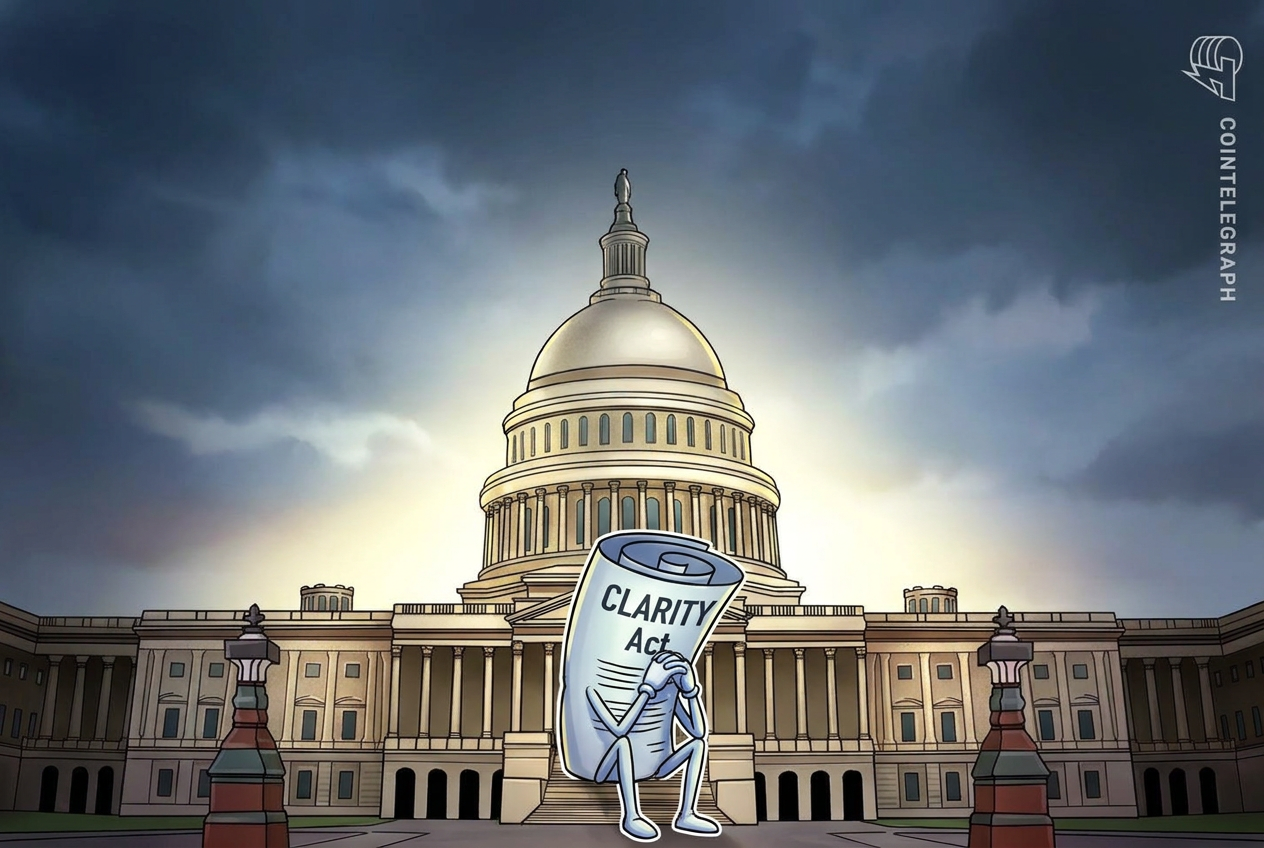
According to Adrian Wall, managing director of the Digital Sovereignty Alliance, senators from both sides of the aisle are exploring a final attempt to advance the CLARITY Act before the 2026 Congressional term concludes. This move seeks to utilize the 'lame-duck' period—the time between the November elections and the inauguration of the new Congress—to pass critical market structure legislation that has faced delays throughout the year. The bill is seen as a vital step in defining the regulatory boundaries between the SEC and the CFTC regarding digital asset oversight.
The push for the CLARITY Act comes at a time when the US crypto industry is demanding more predictable legal frameworks to compete with international jurisdictions. Wall noted that the bipartisan interest highlights a growing consensus that leaving crypto regulation in a state of flux poses risks to domestic innovation and consumer protection. If successful, this legislative maneuver would provide the most significant update to US financial laws concerning digital assets in years, moving beyond the current 'regulation by enforcement' model.
From a market perspective, the passage of the CLARITY Act would likely be viewed as a stabilizing force. Clearer definitions of which tokens are securities versus commodities would allow institutional investors to enter the space with greater confidence and reduced legal risk. Furthermore, the bill could provide a standardized framework for stablecoin issuers, potentially integrating these assets more deeply into the traditional US financial system.
Investors and industry stakeholders should closely watch the Senate floor schedule as the year-end deadline approaches. Key indicators of progress will include the attachment of the bill to 'must-pass' spending legislation or a standalone vote during the final weeks of December. Failure to pass the bill now would mean the entire legislative process must restart from scratch when the new Congress convenes in 2027, likely delaying regulatory certainty for several more months.