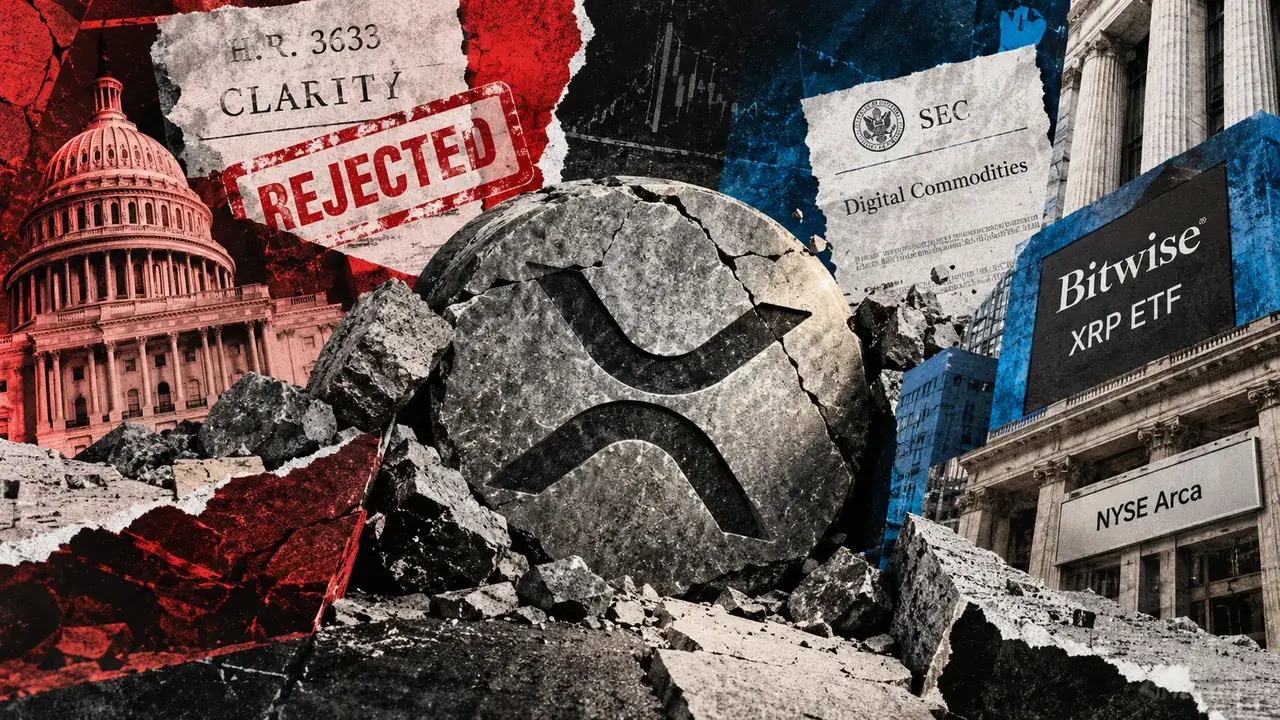
The failed cloture vote on the CLARITY framework has stalled the creation of a specific legal category for XRP, leaving the asset in a state of regulatory limbo and causing a significant market sell-off. This procedural failure in the U.S. Senate prevents the immediate implementation of a statutory framework that would have provided a clear 'safe harbor' for Ripple and its native token. While the vote's outcome does not immediately restrict existing XRP access or exchange listings, it halts the momentum toward long-term legal finality that the industry expected in early 2026.
This legislative hurdle arrives at a sensitive time for Ripple, which has spent years positioned as a leader in regulatory compliance. The CLARITY Act was intended to define the boundaries between securities and commodities for digital assets, potentially cementing XRP's status as a non-security once and for all. However, the inability to end debate and move to a final vote means that existing regulatory interpretations will continue to dictate the market landscape, exposing XRP to further potential friction with federal agencies.
Market reaction was swift, with XRP falling hard as institutional investors liquidated positions tied to the expectation of a legislative win. Analysts suggest that while retail sentiment remains resilient, the 'post-vote fund demand' is now impossible to measure accurately until a new legislative session begins. The delay introduces a vacuum of certainty, which often leads to increased volatility as the market recalibrates the likelihood of a statutory resolution before the end of the 2026 fiscal year.
Investors should now watch for any attempts by Senate leadership to reintroduce a modified version of the bill or attach crypto-specific language to upcoming omnibus spending packages. The key indicator for XRP’s recovery will be institutional inflow data; if large-scale fund managers remain sidelined due to this legislative setback, XRP may struggle to reclaim its pre-vote price levels. For now, the 'regulatory advantage' Ripple once claimed faces its toughest test as the focus shifts from the halls of Congress back to the judicial system.