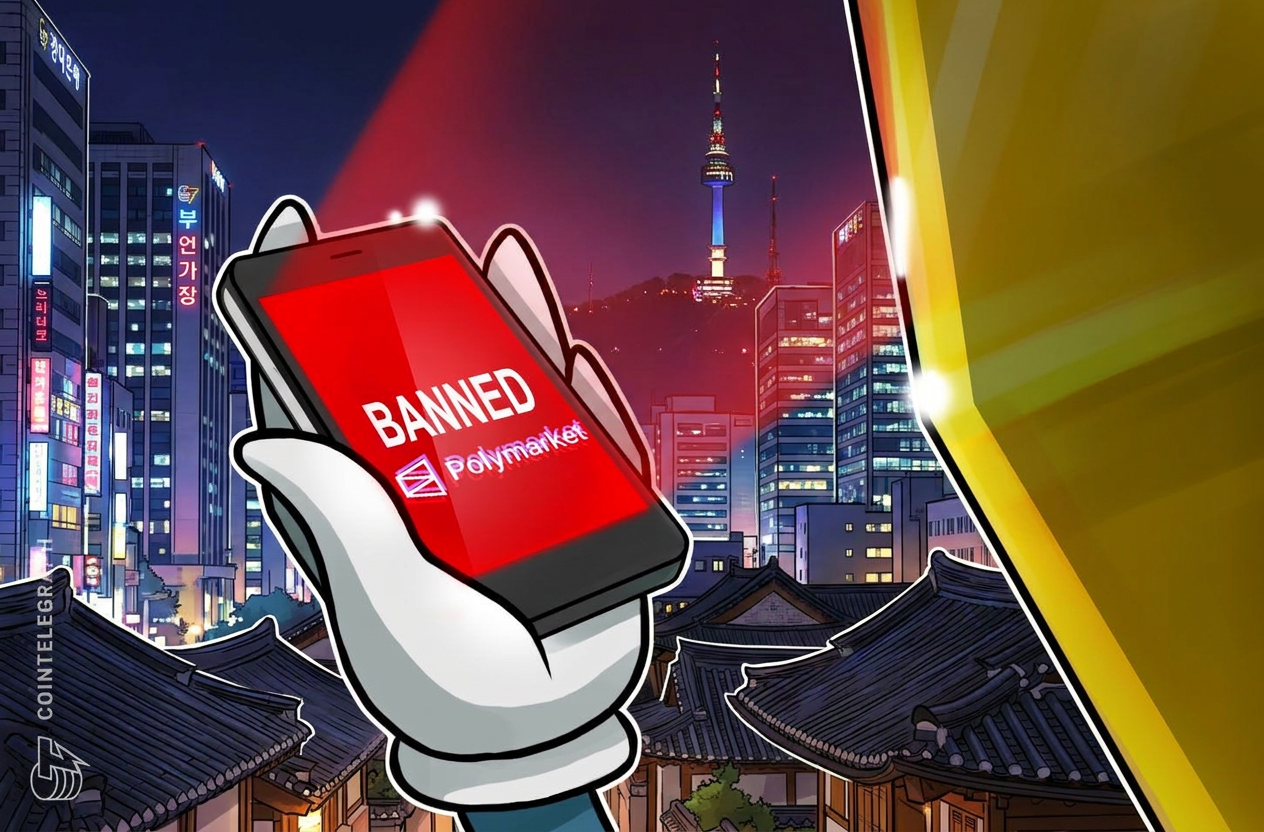
In early 2026, South Korean law enforcement concluded an investigation into 26 individuals suspected of using the decentralized platform Polymarket for illegal gambling, ultimately referring 18 of them to the prosecution for criminal charges. The probe focused on approximately $12.7 million in total transaction volume, marking one of the most significant regulatory actions against DeFi users in the region to date. Authorities allege that these users violated the nation’s strict Anti-Gambling Act by placing high-stakes bets on political and social outcomes through the blockchain-based protocol.
The Seoul Metropolitan Police Agency’s investigation highlights a shift in strategy; rather than attempting to shut down the decentralized protocol itself, regulators are targeting the individuals who interact with it. Under South Korean law, gambling is strictly prohibited for citizens except in a handful of state-sanctioned venues. By classifying Polymarket activity as illegal gambling rather than financial speculation, the government is setting a precedent that decentralized apps (dApps) do not grant users immunity from local criminal codes.
This move has immediate geopolitical and market implications for the crypto industry in Asia. South Korea has long been a hub for high-volume crypto trading, but this crackdown suggests a narrowing path for 'permissionless' prediction markets. The referral to prosecutors is expected to chill local participation in Polymarket, potentially draining liquidity from the platform as users fear legal repercussions for their on-chain activities. Analysts suggest this could be the first of several actions aimed at tightening the oversight of the Polygon-based ecosystem within the country.
For the broader crypto market, the situation underscores the growing 'on-ramp' risk. Most users investigated were identified through their activity on domestic centralized exchanges used to fund their DeFi wallets. Moving forward, readers should watch for the prosecution's decision on whether to pursue 'habitual gambling' charges, which carry harsher prison sentences, and whether the South Korean government will move to implement mandatory IP-blocking for decentralized prediction platforms to prevent further access.