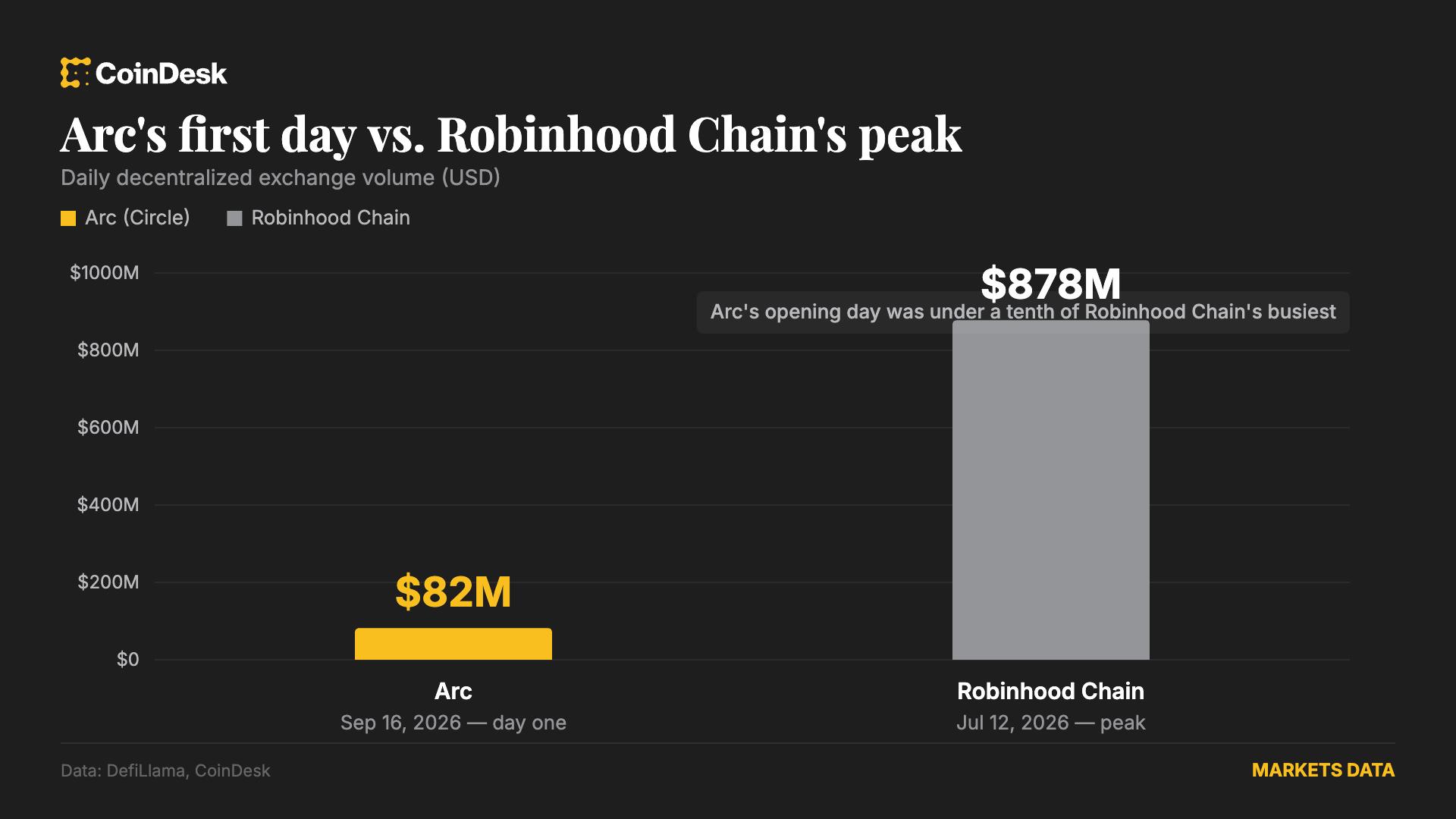
Memecoins dominated the first day of Circle’s Arc blockchain because speculative traders leveraged the platform's high-profile launch to mint and trade volatile assets, despite the network's intended purpose for institutional RWA (Real World Asset) tokenization. While Circle marketed Arc as a compliant, enterprise-grade environment, the initial surge in on-chain activity was driven almost entirely by 'pump-and-dump' cycles. By Thursday morning, most of the liquidity had already evaporated as traders rotated capital out of the network, leaving the chain with a significantly quieter profile than its high-volume opening hours.
This incident underscores a persistent challenge for USDC issuer Circle as it attempts to bridge the gap between traditional finance (TradFi) and decentralized infrastructure in 2026. The Arc blockchain was built to provide a secure, regulated rail for banks and asset managers, yet the influx of memecoins suggests that the technical barriers to entry were not enough to deter retail speculators. For institutional users, this volatility and the presence of low-quality assets may raise concerns regarding the network's reputation and its ability to maintain a 'clean' ecosystem for corporate treasury operations.
From a regulatory standpoint, the 'memecoin takeover' of a US-based institutional chain like Arc could attract scrutiny from the SEC and Treasury. Regulators have consistently called for stricter controls on permissioned blockchains to ensure they do not become conduits for unregulated speculative manias. Circle may now be forced to implement more aggressive KYC (Know Your Customer) filters or gated smart contract deployments to ensure that future activity aligns with its institutional mandate.
Moving forward, investors should watch for Circle’s response to this launch-day anomaly. The company is expected to introduce stricter 'Tiered Access' protocols to prevent retail-led volatility from disrupting institutional liquidity pools. If Circle can successfully pivot back to its RWA focus, the long-term impact of this initial memecoin surge will likely be seen as a minor technical hurdle rather than a failure of the Arc project’s underlying value proposition.