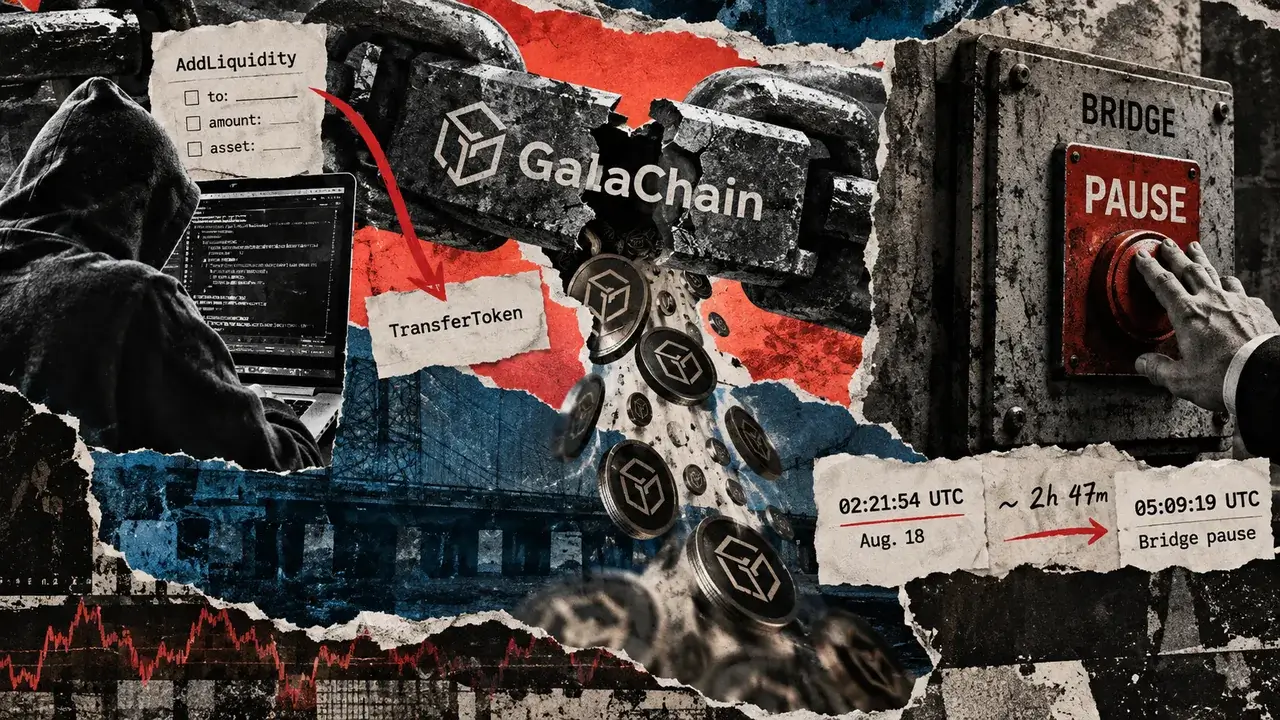
The $3 million drain on GalaChain was executed by leveraging a critical oversight in the network's SDK, where signed intents lacked automatic validation before reaching the bridge. By analyzing ledger timestamps from 55 days of failed transactions, the attacker was able to reconstruct the logic required to generate a master key, effectively granting them unauthorized control over wallet withdrawals. The breach highlights a failure in the protocol's automated check system, which allowed fraudulent signatures to be treated as valid authorization for cross-chain transfers.
Technically, the exploit targeted the way GalaChain handles 'intents'—cryptographic messages that authorize specific actions without requiring a full transaction signature for every step. The attacker spent nearly two months probing the system, using the data from unsuccessful attempts to refine their attack vector. Once the master key was successfully generated, the hacker bypassed the security layers of the GalaChain bridge, which serves as the primary link for moving assets between the internal chain and external networks like Ethereum.
This incident comes at a time when US regulators and the Department of the Treasury are increasing scrutiny on bridge security and DeFi middleware. The exploit emphasizes the systemic risks inherent in intent-centric designs, which are meant to improve user experience but can introduce complex attack surfaces if not properly isolated from the core ledger logic. For the broader market, this serves as a reminder that even mature ecosystems remain vulnerable to persistent, long-term reconnaissance by sophisticated threat actors.
GalaChain has since issued SDK patches to address the vulnerability, mandating stricter automatic checks for all signed intents. Users and developers within the Gala ecosystem should audit their recent bridge interactions to ensure no lingering permissions were granted to suspicious addresses. Moving forward, the industry will be watching to see if Gala can recover the stolen $3 million and how this breach affects the adoption of their specialized gaming and entertainment blockchain throughout the remainder of 2026.