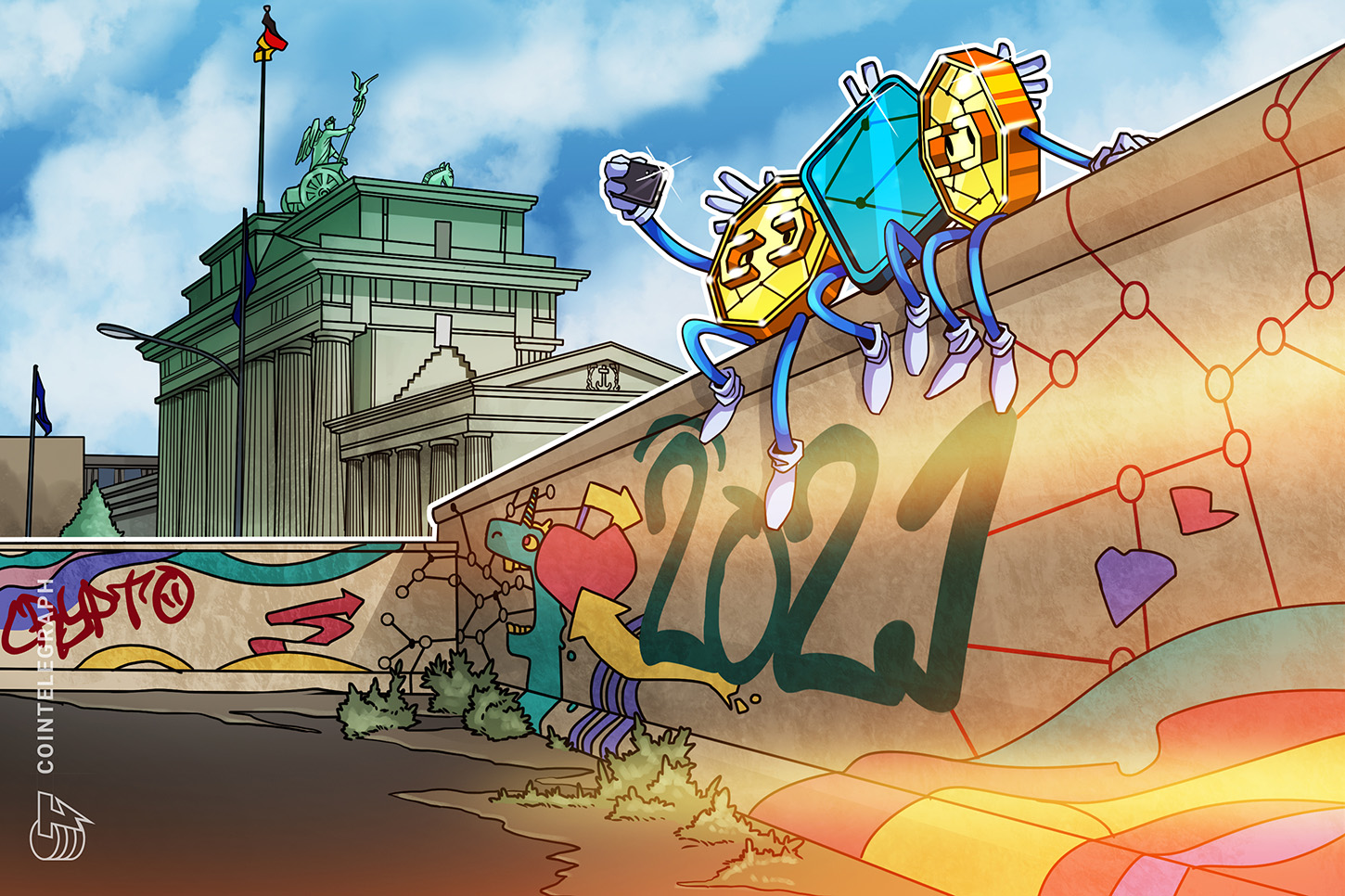
Germany has emerged as a dominant force in European digital asset adoption in 2026, driven primarily by the aggressive integration of crypto into family offices and wealth management portfolios. According to new research from CoinShares, the German market has successfully professionalized digital asset investment, whereas the UK retail sector is still described as “nascent.” This divergence suggests that German high-net-worth individuals are finding more sophisticated avenues for entry compared to their British counterparts.
The report indicates that German financial institutions have leveraged mature MiCA (Markets in Crypto-Assets) frameworks to offer secure, regulated access to digital assets. By early 2026, these wealth managers have moved beyond speculative trading, treating Bitcoin and Ethereum as standard diversification tools. In contrast, the UK has struggled to balance consumer protection with market growth, resulting in a retail environment that lacks the robust infrastructure seen in Frankfurt and Munich.
From a regulatory perspective, the UK’s slower pace in finalizing comprehensive retail crypto legislation post-Brexit appears to be a primary factor in this lag. While the Financial Conduct Authority (FCA) has focused on stringent marketing restrictions through 2025, German regulators have fostered an environment where institutional capital can flow more freely. This has created a geopolitical advantage for Germany as it positions itself as the primary hub for European digital wealth management.
For US-based observers and global investors, this trend signals that the next phase of European market growth will likely be driven by institutional liquidity rather than retail volume. The implications for the market are significant: as German family offices increase their allocations, we may see reduced volatility and higher price floors for major assets. Investors should monitor the UK’s potential regulatory pivots in late 2026, as London seeks to reclaim its status as a competitive financial center against the rising German tide.