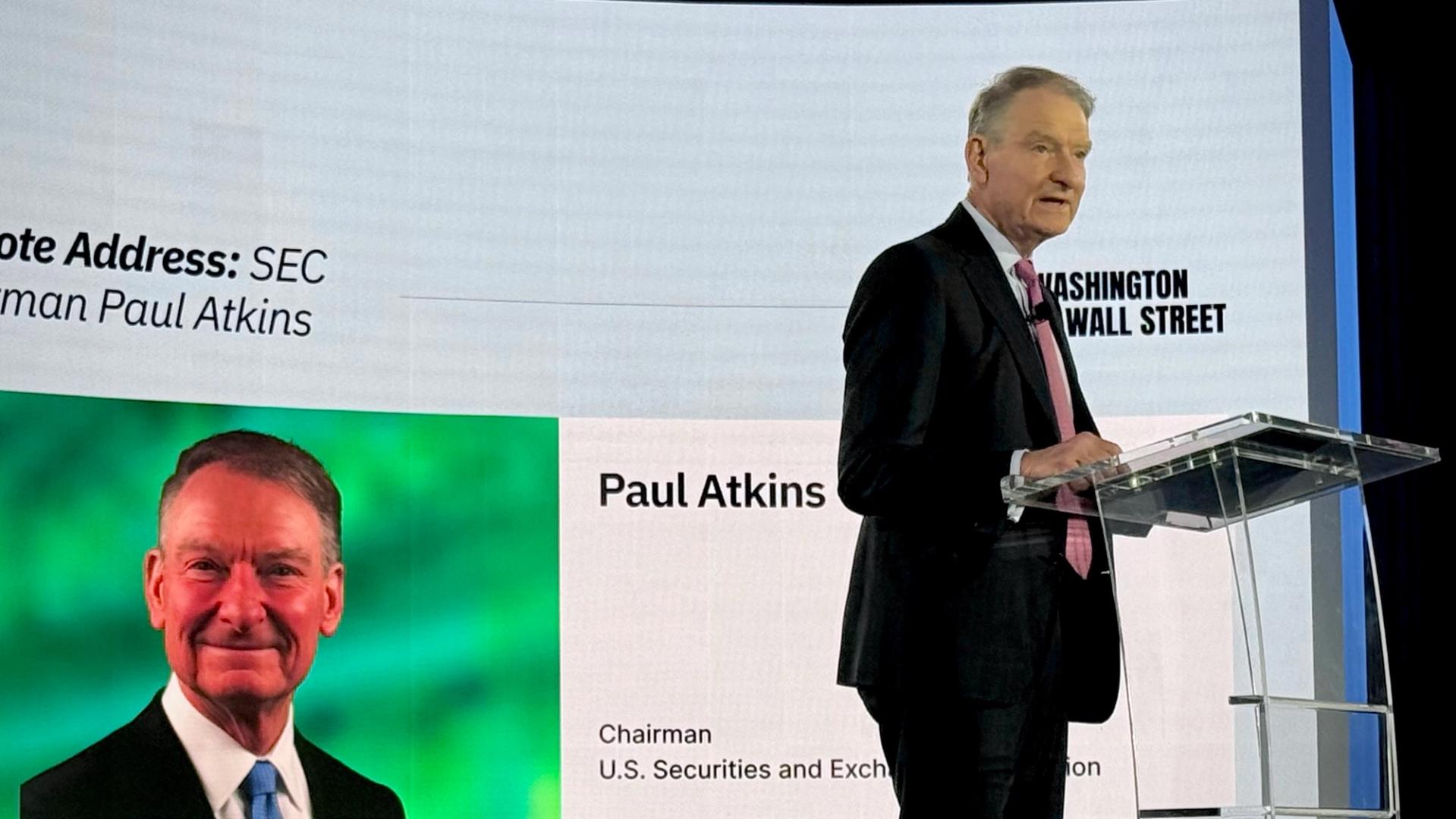
The U.S. Securities and Exchange Commission (SEC) has officially implemented a 5-year 'innovation exemption' that permits specific venues to list and trade tokenized securities without registering as formal national securities exchanges. This direct regulatory relief allows platforms to facilitate the exchange of digital asset securities under a specialized framework designed to test blockchain integration within U.S. markets. By bypassing the traditional exchange registration process until 2031, the SEC is providing a bridge for firms to operate while permanent rules are finalized.
This policy shift represents a significant evolution in U.S. crypto regulation for 2026, addressing long-standing complaints that existing exchange rules are incompatible with distributed ledger technology. Previously, many platforms attempting to tokenize traditional assets like stocks or bonds were stalled by the high capital and technical requirements of national exchange status. This exemption functions as a high-level regulatory sandbox, allowing Alternative Trading Systems (ATS) and other fintech entities to scale their operations with legal clarity.
The market implications are notably bullish for the Real-World Asset (RWA) sector. Major financial institutions now have a clear path to bring trillions of dollars in traditional assets—such as private equity, real estate, and government bonds—onto the blockchain. By eliminating the threat of enforcement actions related to exchange registration for those within the exemption, the SEC is effectively encouraging institutional liquidity to flow into the DeFi and smart contract ecosystems that support these tokenized assets.
Moving forward, market participants should watch for the specific compliance thresholds the SEC will require to maintain this exempt status, particularly regarding data reporting and anti-money laundering (AML) protocols. While the exemption lasts for five years, it is widely viewed as a data-gathering period that will inform the next decade of digital asset legislation. Investors should monitor platforms currently operating as ATS to see which will be the first to utilize this new regulatory flexibility to expand their tokenized offerings.