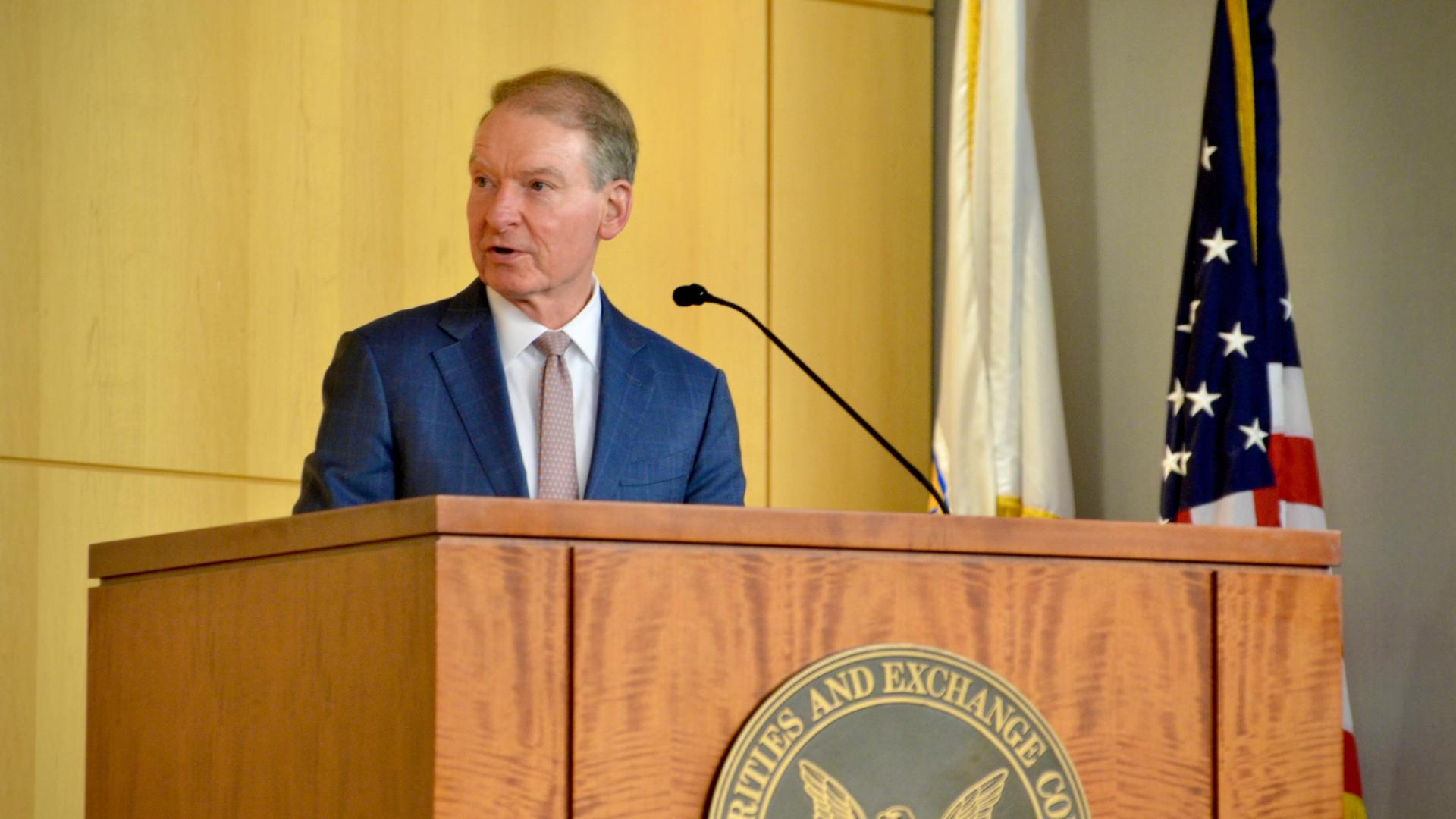
The U.S. Securities and Exchange Commission (SEC) has officially begun preparing for a transition to 24/7 trading for traditional equities and tokenized assets, effectively adopting the continuous uptime model that defines the cryptocurrency market. By discussing these plans alongside the approval of new tokenized security protocols in early 2026, the regulator is signaling a strategic shift toward real-time settlement and constant market access for American investors. This change addresses the growing demand for market parity between legacy finance and the digital asset sector.
During a recent public hearing, the SEC explored the technical and systemic requirements necessary to support exchanges that never close. The catalyst for this regulatory movement was the simultaneous approval of several tokenized security products, which utilize distributed ledger technology to allow for fractional ownership and instant, on-chain transfers of traditional assets. This dual approach indicates that the commission is moving beyond pilot programs and toward a standardized framework for the 'crypto-fication' of Wall Street.
For the broader crypto industry, this development serves as a massive validation of blockchain technology's utility. As traditional exchanges move toward 24/7 operations, they will likely seek deeper integration with decentralized finance (DeFi) liquidity pools and stablecoin settlement layers. The legal recognition of tokenized securities means that assets like real estate, corporate bonds, and blue-chip stocks can now reside on-chain with full regulatory compliance, potentially funneling trillions of dollars into blockchain ecosystems.
Moving forward, investors should watch for the SEC’s specific rule-making regarding clearinghouse requirements and the implementation of automated risk management tools for continuous trading. The transition will require significant updates to market circuit breakers, which were originally designed for 9:30 AM to 4:00 PM trading windows. The performance and adoption rates of the first approved tokenized securities throughout 2026 will be the primary indicator of how quickly the gap between crypto and traditional finance will close.