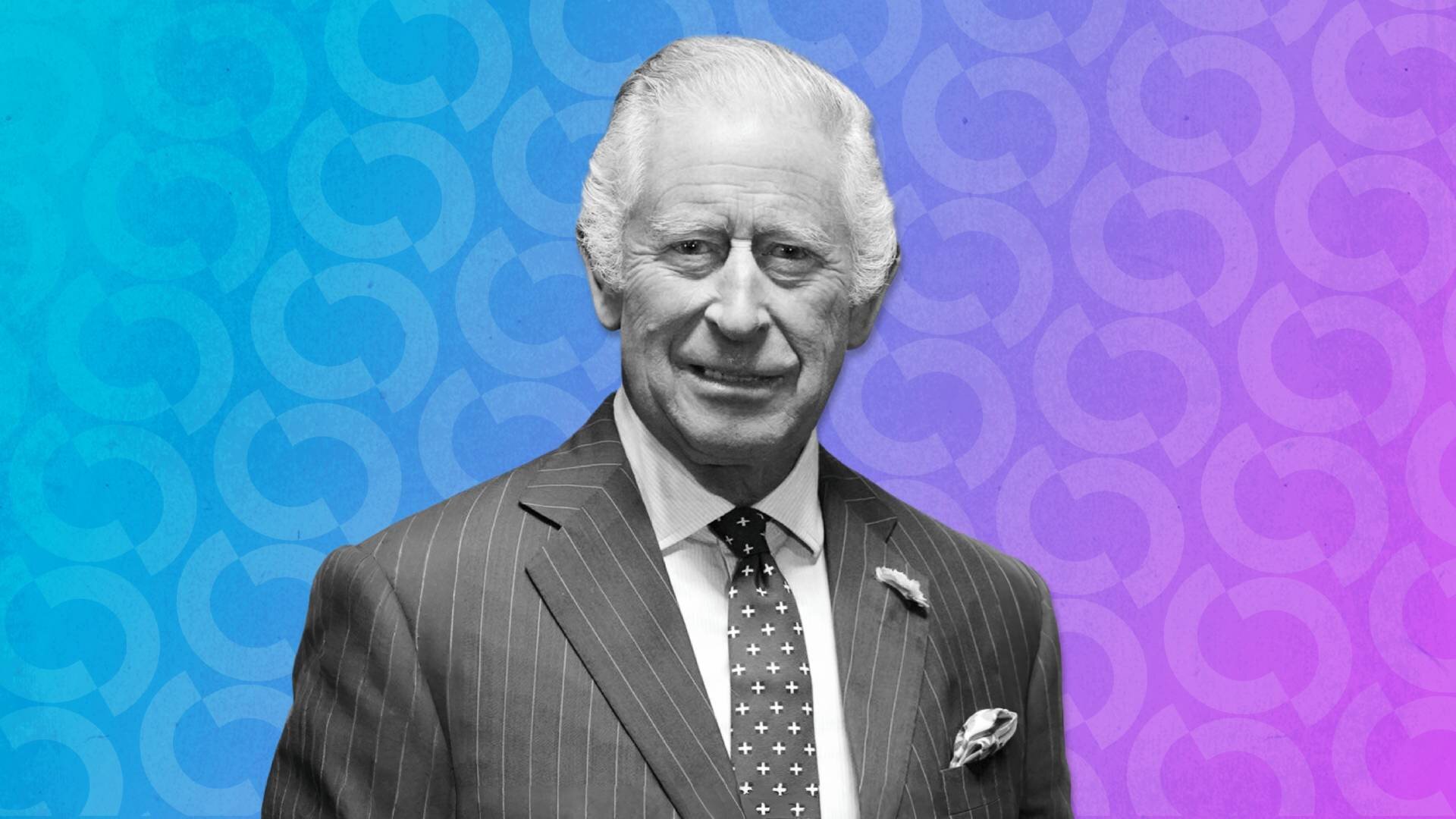
The 2026 AI Safety Summit hosted by King Charles at his Scottish estate aims to synchronize international safety protocols among global tech leaders, creating a framework that will inevitably extend to decentralized AI projects in the crypto space. By gathering executives from OpenAI, Anthropic, Nvidia, and Google, the summit focuses on ensuring that advanced models operate 'in the service of humanity.' For the crypto industry, this means that autonomous agents and AI-integrated smart contracts will soon face standardized safety audits that mirror the requirements placed on traditional tech giants.
This meeting arrives at a critical juncture in 2026, following urgent calls from industry leaders to slow down the deployment of unconstrained AGI. The inclusion of Nvidia is particularly significant for the crypto market, as it suggests that safety mandates may be implemented at the hardware and compute levels. Decentralized physical infrastructure networks (DePIN) that provide GPU power for AI training will likely be forced to adopt these hardware-level guardrails to remain compliant with transatlantic trade standards.
From a regulatory perspective, US-based crypto firms should view this summit as a precursor to coordinated SEC and CFTC oversight. As the UK and US look to harmonize AI governance, the 'black box' nature of many AI-driven trading bots and DeFi protocols will likely come under fire. Regulators are expected to use the outcomes of this summit to justify mandatory transparency reports for any blockchain project utilizing large language models (LLMs) to manage user assets.
Investors and developers should closely watch for a formal communique regarding the accountability of autonomous entities. If the summit results in a new global oversight body, the era of 'move fast and break things' for AI crypto tokens will effectively end, replaced by a compliance-heavy landscape. By late 2026, the success of AI-related crypto assets will likely depend more on their safety certifications than their technological novelty.