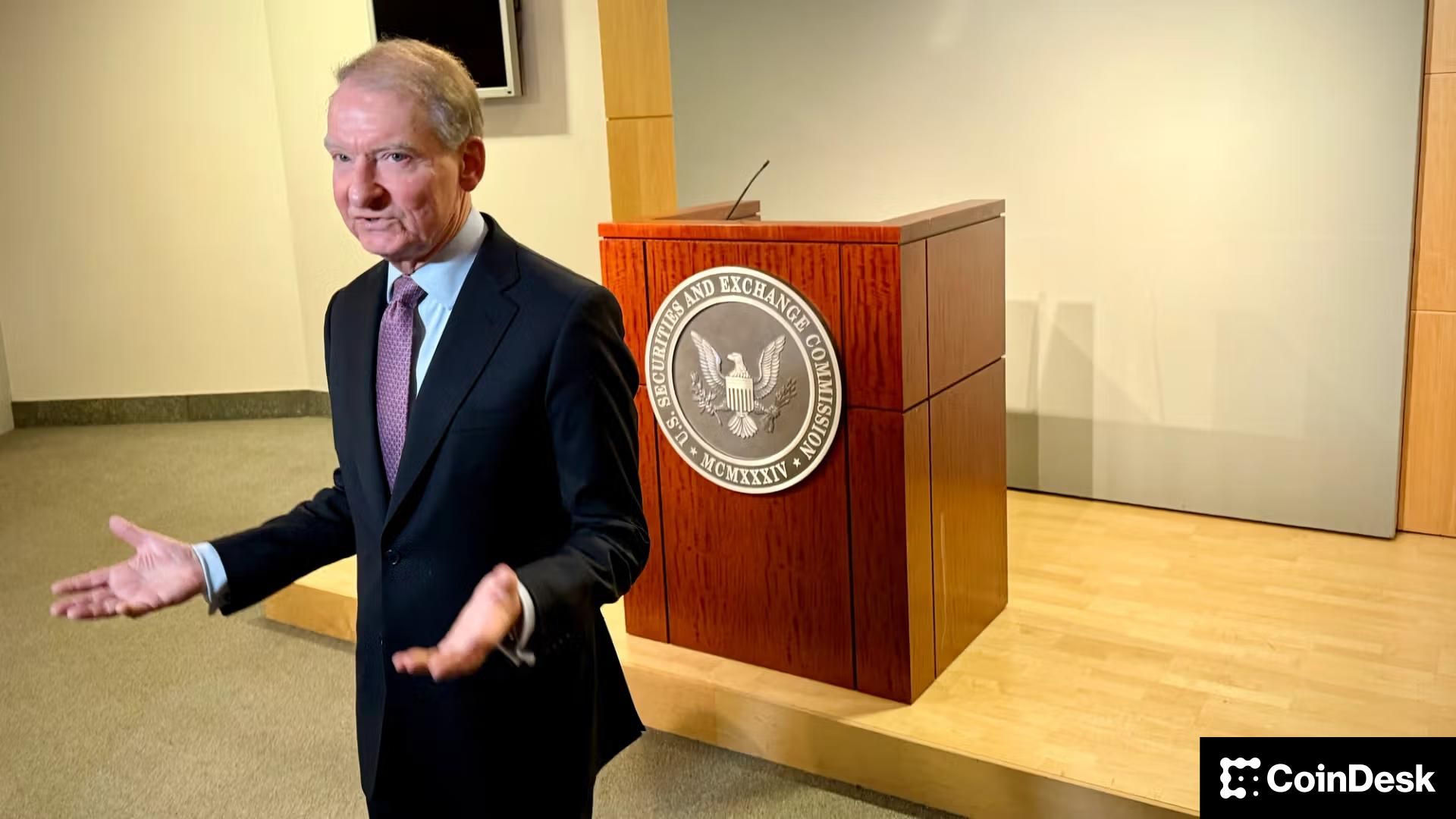
Under the SEC’s 2026 pilot program, the primary beneficiaries are regulated DeFi-style trading venues, institutional tokenization firms, and specialized liquidity providers. These entities now have a specific five-year window to facilitate the exchange of tokenized U.S. stocks within a compliant framework. However, the SEC has explicitly excluded synthetic stock tokens—assets that track price movement without direct ownership of the underlying share—leaving those specific crypto projects outside the new legal protections.
This regulatory experiment marks a pivotal shift in U.S. market structure, aimed at testing the efficiency of distributed ledger technology (DLT) for real-time settlement and transparency. By providing a pathway for tokenization firms, the SEC is effectively bridging the gap between traditional equity markets and blockchain infrastructure. This move is designed to modernize the T+0 settlement process, potentially reducing the massive collateral requirements currently faced by traditional clearinghouses.
For the broader crypto market, this development is a major validation of 'Real World Asset' (RWA) tokenization. Institutional interest is expected to migrate toward platforms that can demonstrate strict compliance with these new pilot rules. The exclusion of synthetics, however, serves as a warning to the decentralized finance sector that the SEC remains focused on direct asset backing and investor disclosure rather than pure price-tracking derivatives.
Investors and developers should closely monitor which specific platforms receive the first experimental licenses under this framework. The next twelve months will be critical as liquidity providers begin shifting volume to these regulated on-chain venues. The outcome of this five-year period will likely determine the permanent regulatory status of all blockchain-based securities in the United States.