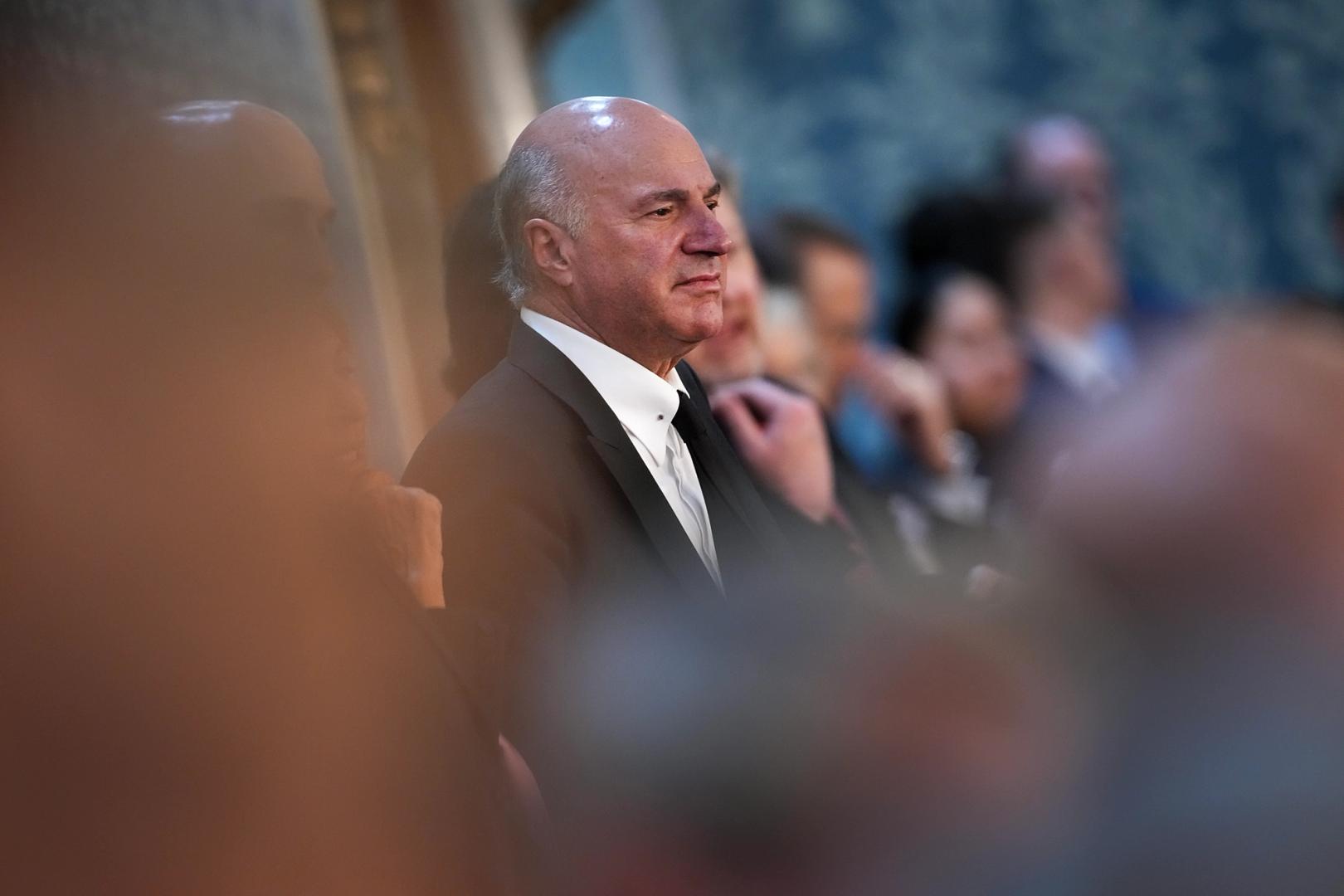
The US Congress is expected to revisit the CLARITY Act in early 2027, as predicted by venture capital investor Kevin O’Leary. The move to revive this market structure legislation is a direct response to the recent advancement of comprehensive crypto tax rules in 2026. O’Leary suggests that while the tax bill addresses government revenue, it leaves a significant void in how digital assets are classified and traded, forcing lawmakers to address the broader regulatory framework to protect institutional interests.
The advancement of tax-related legislation has served as a catalyst for these broader discussions. By defining the tax obligations for digital assets, the US government has implicitly recognized crypto as a permanent fixture of the financial system. However, without the CLARITY Act or similar market structure legislation, firms continue to operate in a gray area regarding which federal agencies—the SEC or the CFTC—hold primary jurisdiction over specific token types and trading platforms.
Political insiders suggest that the pressure to revive the CLARITY Act is coming from both major financial institutions and retail advocacy groups. These stakeholders argue that tax compliance is difficult to maintain without clear definitions of asset custody and exchange standards. For the crypto market, this shift signifies a move away from 'regulation by enforcement' toward a codified system that could finally allow large-scale US pension funds and insurance companies to increase their exposure to digital assets.
Investors should closely monitor the 2027 legislative calendar for the reintroduction of the CLARITY Act and any bipartisan amendments that may arise. The success of this bill would likely stabilize the domestic crypto landscape and potentially end years of litigation between the SEC and major exchanges. In the short term, the market remains focused on the implementation of the 2026 tax rules, which will dictate reporting requirements for the upcoming fiscal year.