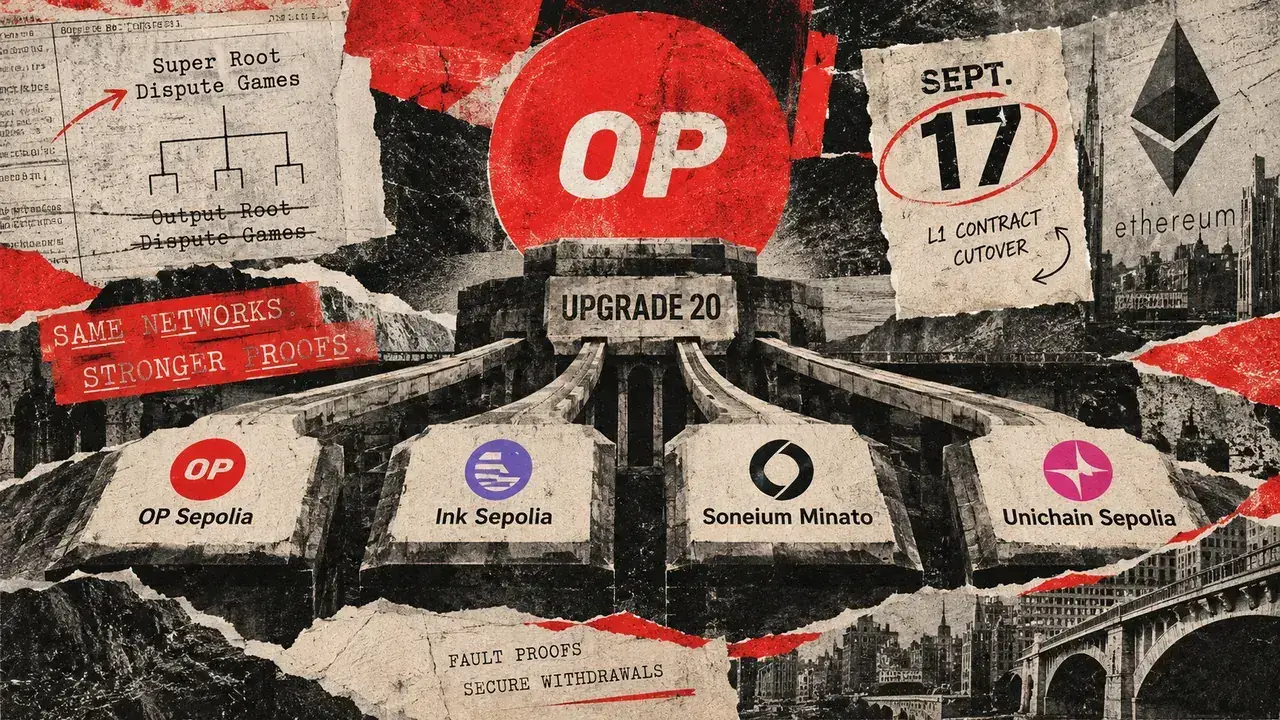
The recently approved Optimism upgrade establishes a unified technical foundation for the Superchain by mandating updates to fault-proof services and withdrawal tooling for all network operators. This consensus-driven change is designed to ensure that every chain within the OP Stack ecosystem can communicate securely, paving the way for native interoperability. Once fully implemented, this will allow users to move assets and data across participating Layer 2 networks without the security risks or delays associated with traditional third-party bridges.
Following the successful governance vote in early 2026, the Optimism Collective has directed node operators to implement these backend changes ahead of the scheduled cutover. While end-users and retail investors are not required to take any manual action, the upgrade represents a significant shift in the Layer 2 landscape. By synchronizing fault-proof mechanisms, the Superchain aims to eliminate the liquidity fragmentation that has historically hindered the user experience on Ethereum-based scaling solutions.
From a market perspective, this upgrade strengthens Optimism’s competitive position against other scaling ecosystems like Arbitrum and the ZK-Sync era. By facilitating a more cohesive 'Superchain' experience, Optimism is positioning itself to retain institutional liquidity. For US-based developers and DeFi protocols, this reduces the friction of building cross-chain applications, potentially leading to a new wave of decentralized finance products that leverage shared liquidity across networks like Base, Mode, and the Optimism Mainnet.
Readers should watch for the successful deployment of these updates by major network participants, as any delays in operator adoption could postpone the final interoperability launch. Moving forward, the focus will shift toward how this integration impacts the total value locked (TVL) across the OP Stack. If native interoperability significantly improves the user experience, it could serve as a major catalyst for the broader Ethereum ecosystem’s growth in 2026.