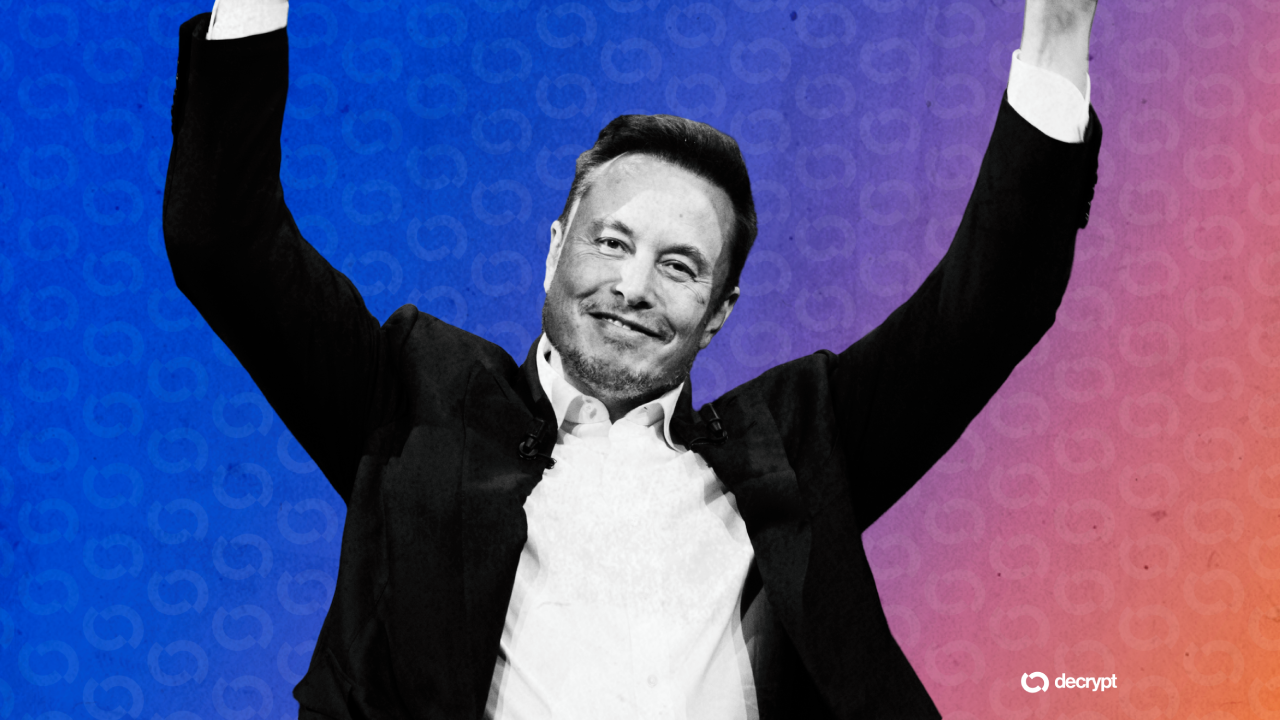
SpaceX's AI division is currently exploring the acquisition of customer data archives from bankrupt startups to accelerate the training of Grok, its generative AI model. By purchasing these records during liquidation, the division aims to secure high-volume data sets at a fraction of standard market costs. Because these startups have ceased operations, the usual hurdles of privacy consent and management oversight are largely absent, allowing the data to be treated as a commodity for AI development.
This practice highlights a growing shift in the AI industry throughout 2026, where data scarcity has forced major players to look toward the 'digital graveyards' of venture-backed failures. As the startup ecosystem continues to consolidate, the massive databases of defunct fintech and tech firms have become highly sought-after assets for large-scale machine learning. For users, this means their personal information may remain active and utilized by third-party AI models long after the original service they signed up for has disappeared.
From a regulatory standpoint, this trend is likely to trigger scrutiny from the Federal Trade Commission (FTC) and other privacy regulators. Existing data protection frameworks often do not explicitly address the transfer of sensitive customer information during corporate death. The crypto and decentralized technology sectors, which prioritize data sovereignty, are watching these developments closely, as the sale of transactional data from failed Web3 startups could compromise user anonymity and security.
Investors and privacy advocates should monitor upcoming bankruptcy court filings for objections related to data sales. As AI companies like SpaceX continue to hunt for 'cheap fuel' for their models, the legal precedents set in 2026 regarding the portability and expiration of user data will define the boundaries of corporate data ownership. If successful, these acquisitions could provide Grok with a significant competitive edge in sentiment analysis and predictive modeling across the tech and financial sectors.