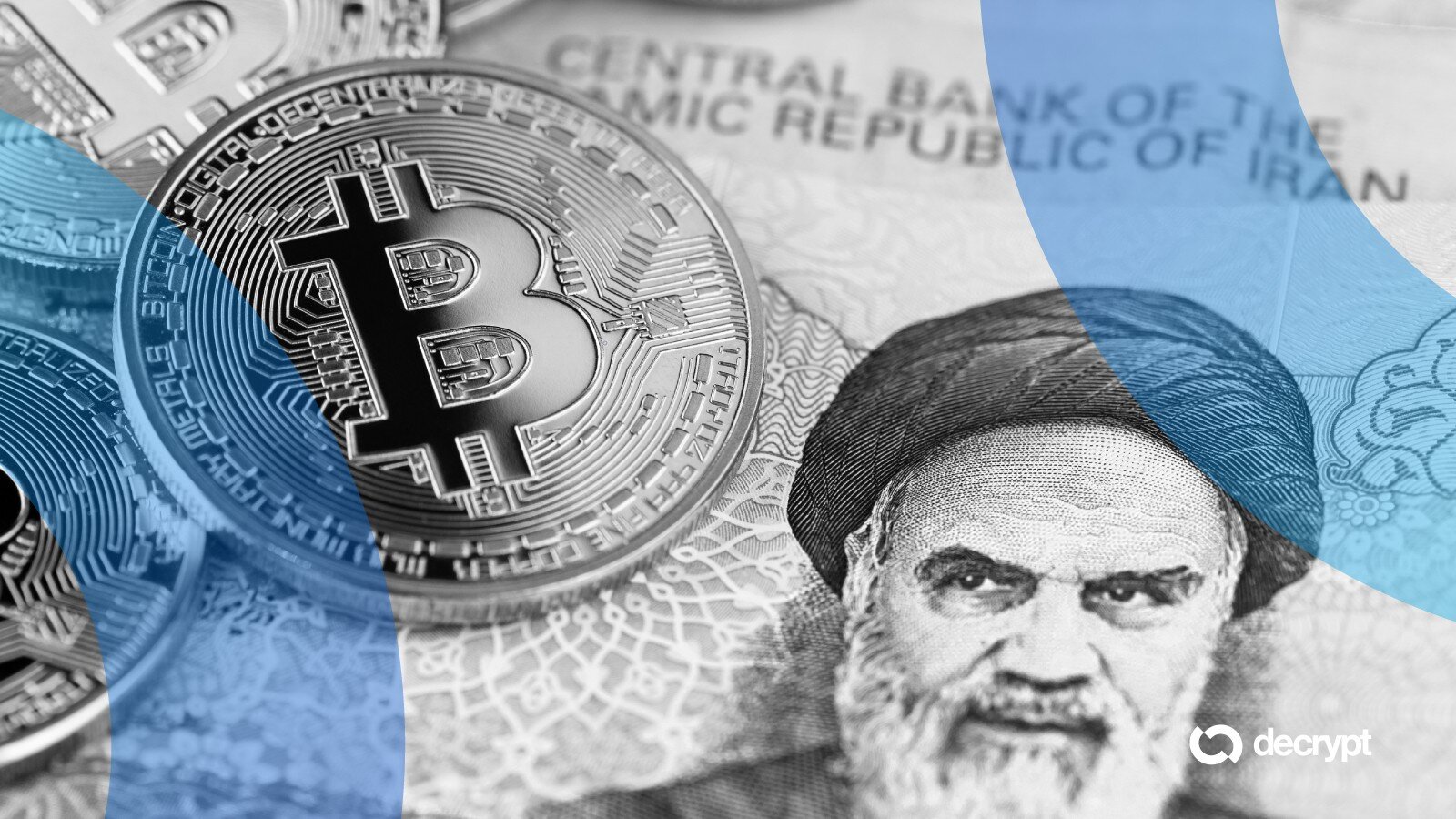
The US Department of the Treasury’s Office of Foreign Assets Control (OFAC) has sanctioned the cryptocurrency exchange BitBank to stop the Iranian Revolutionary Guard Corps (IRGC) from using the platform to collect Bitcoin tolls from ships in the Strait of Hormuz. By blacklisting BitBank, the US has effectively cut the exchange off from the global financial system, targeting the infrastructure that allowed for the movement of hundreds of millions of dollars in BTC over the first two months of 2026. This move directly addresses the IRGC's strategy of demanding digital currency payments from commercial vessels to ensure safe passage through one of the world's most critical maritime chokepoints.
According to federal investigators, BitBank served as a specialized clearinghouse for the IRGC, facilitating the conversion of extortion proceeds into liquid assets used to fund regional military operations. The Treasury Department highlighted that the transparent nature of the Bitcoin blockchain allowed intelligence agencies to track the flow of funds from maritime shipping companies to specific wallets controlled by the exchange. This enforcement action is part of a broader 2026 initiative to prevent state-sponsored actors from weaponizing decentralized finance to bypass international trade laws and maritime safety protocols.
The geopolitical implications of these sanctions are significant, as they force a confrontation between traditional maritime security and the digital economy. While the IRGC has previously relied on oil smuggling to generate revenue, the shift toward Bitcoin tolls represents a new frontier in state-sponsored cyber-extortion. By targeting the exchange layer rather than individual users, the US is attempting to make it prohibitively difficult for Iranian entities to off-ramp their crypto holdings into usable fiat currencies, thereby devaluing the effectiveness of their toll-based revenue model.
For the broader crypto market, this development underscores the increasing regulatory risks associated with exchanges operating in high-tension geopolitical zones. Investors should expect heightened compliance requirements and more aggressive KYC (Know Your Customer) protocols for any platforms with Middle Eastern ties. Moving forward, the industry should watch for potential IRGC shifts toward privacy-focused coins or decentralized mixers to evade these sanctions, which could lead to further US Treasury crackdowns on the underlying technologies supporting anonymity in the digital asset space.