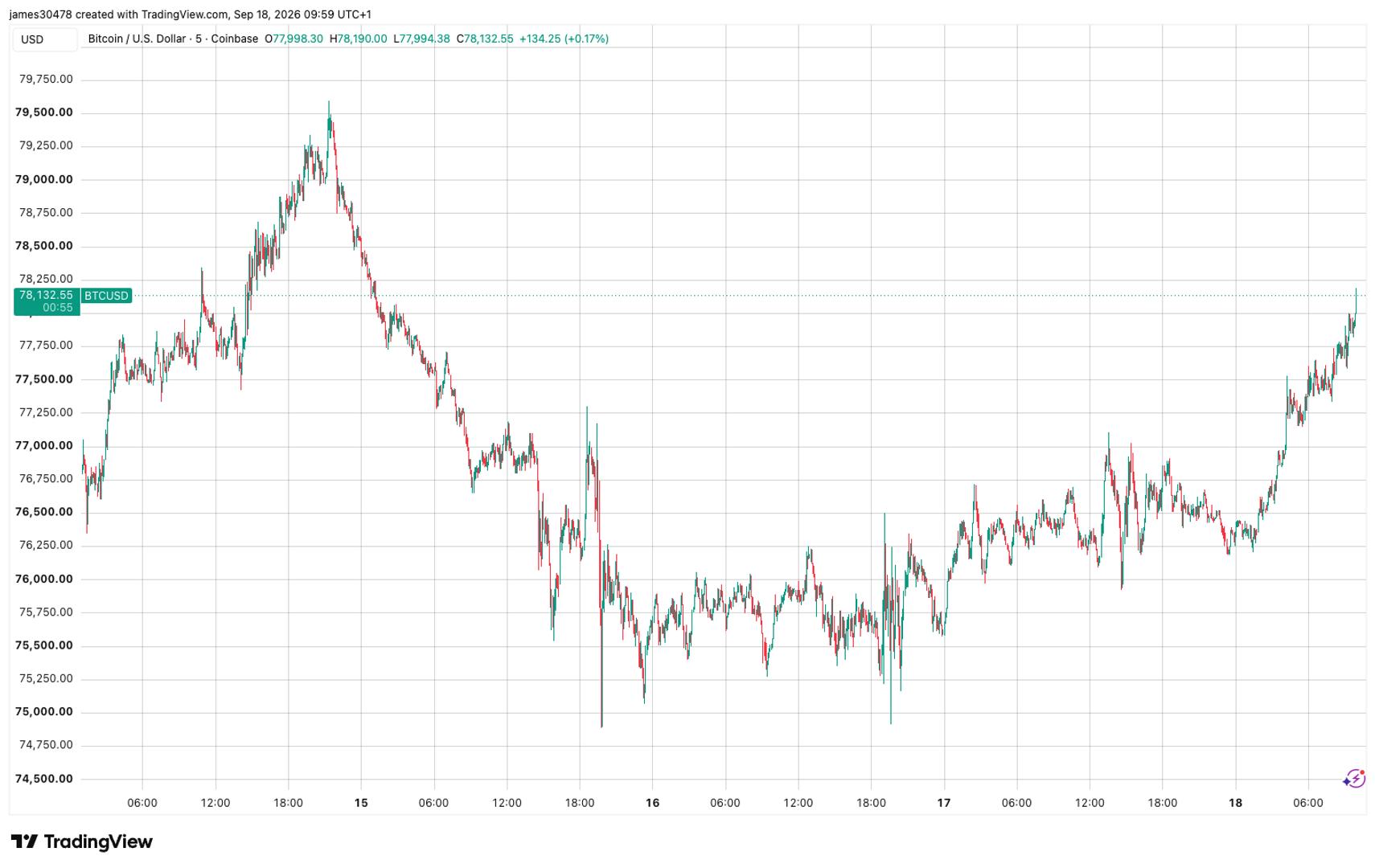
Bitcoin maintained its upward momentum in Q3 2026 by absorbing a modest 1.5% dip during September, which is historically the asset's weakest month. Despite a combination of rising interest rates, surging global oil prices, and a legislative hurdle involving the Clarity Act, the leading cryptocurrency stayed on track for its first quarterly gain in twelve months. This resilience suggests that the market is maturing and increasingly capable of weathering traditional financial turbulence.
The resilience comes amidst a challenging macroeconomic environment for US investors. The Federal Reserve’s decision to continue rate hikes to combat persistent inflation, coupled with a surging US dollar, typically creates a "risk-off" environment that drains liquidity from digital assets. However, Bitcoin's ability to hold its ground while oil prices pressured global markets suggests a growing perception of BTC as a necessary hedge against fiat currency debasement and energy-driven inflation.
Adding to the pressure in September was the recent setback for the Clarity for Payment Stablecoins Act in Washington. Crypto bulls were hoping for a swift legislative victory to provide clear regulatory rails for dollar-backed assets, but the delay in the Senate forced a temporary market correction. The fact that Bitcoin did not experience a deeper sell-off on this news indicates that the market has largely priced in the reality of long-term regulatory friction in the United States.
For crypto analysts and retail traders, this stability is a sign of a shifting market structure as we move toward the end of 2026. As the fourth quarter begins, the primary focus will be on whether Bitcoin can sustain these gains if energy costs continue to rise. Investors should closely watch for any renewed momentum on the Clarity Act in the next legislative session, as a breakthrough there could provide the catalyst needed for a broader market rally.