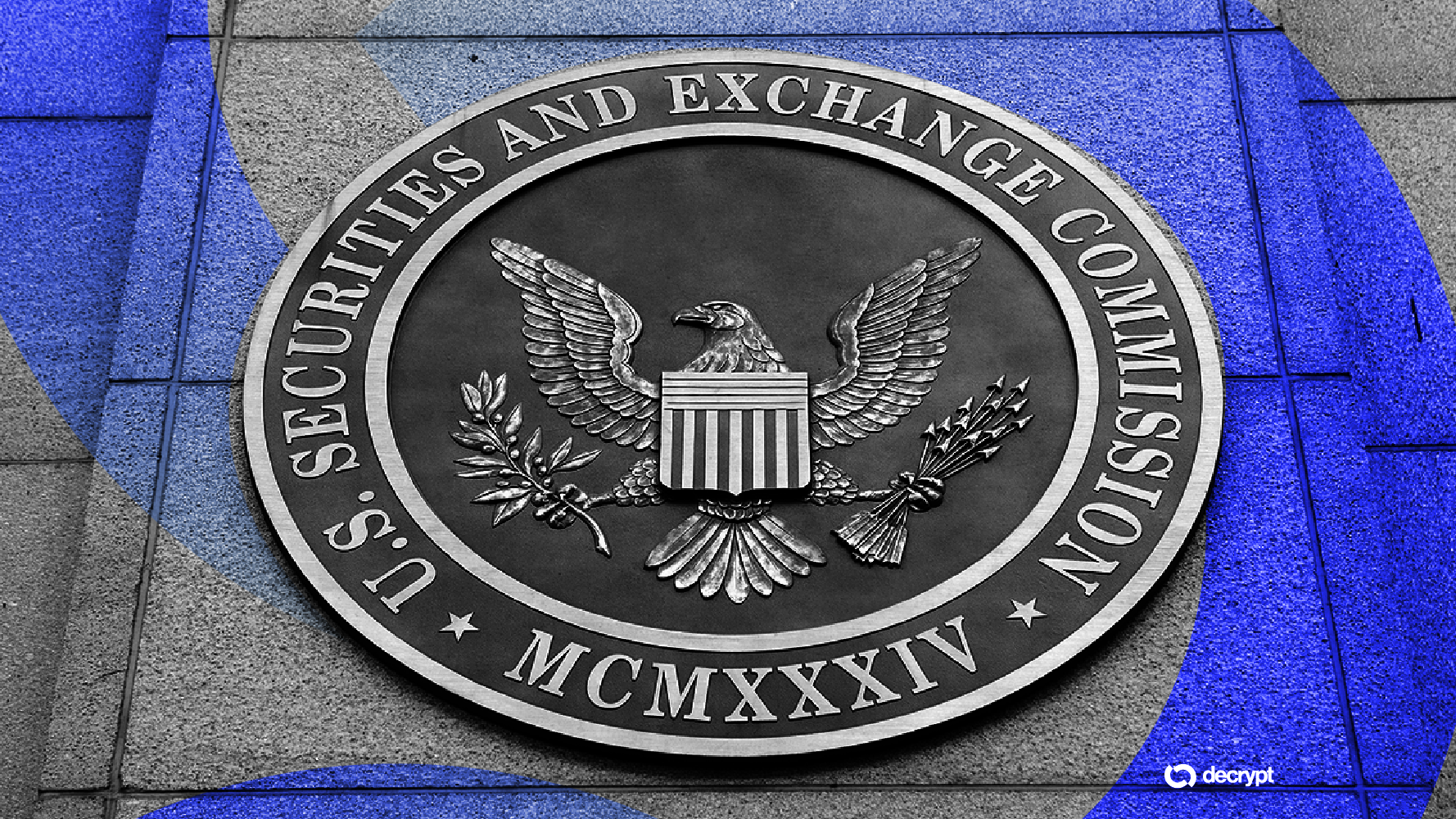
The Securities and Exchange Commission (SEC) has officially granted an 'Innovation Exemption' that permits the trading and settlement of tokenized stocks using blockchain technology. This regulatory milestone provides a legal sandbox for issuers to bypass specific legacy broker-dealer requirements, effectively allowing real-world assets (RWAs) to be managed via smart contracts. By removing these friction points, the SEC aims to foster a more efficient, 24/7 market for traditional equities, bridging the gap between Wall Street and decentralized infrastructure.
Adding significant momentum to this shift, S&P Global recently announced its acquisition of OpenZeppelin, a leading blockchain security and auditing firm. This acquisition indicates that the world’s largest credit rating and financial data provider is preparing for a future where every asset is verified on-chain. With OpenZeppelin’s security frameworks under its wing, S&P Global is positioned to set the standard for institutional-grade smart contract audits, which will be a requirement for any firm looking to utilize the new SEC exemption.
For the broader crypto market, this regulatory green light is expected to drive massive liquidity into the Real World Asset (RWA) sector. Tokenized stocks offer benefits that traditional systems cannot match, such as instant settlement, fractional ownership of high-priced shares, and programmable dividends. As traditional finance (TradFi) giants begin migrating their portfolios to public ledgers, the demand for high-throughput, secure networks like Ethereum and specialized RWA platforms is likely to surge throughout 2026.
From a regulatory and political perspective, this move suggests the United States is doubling down on maintaining financial dominance by embracing digital assets rather than fighting them. By providing a clear path for tokenized securities, the SEC is responding to growing pressure from institutional investors who seek the transparency and lower operational costs of DeFi. This shift also levels the playing field for retail investors, who may soon gain easier access to global equity markets through decentralized brokerage apps.
Investors should closely monitor which blue-chip companies are the first to participate in the SEC’s pilot programs. The success of these early tokenized stock offerings will likely dictate the speed at which the rest of the S&P 500 moves on-chain. Additionally, watch for potential updates to SEC custody rules, as the management of private keys for tokenized assets remains a critical area for further legislative clarity in late 2026.