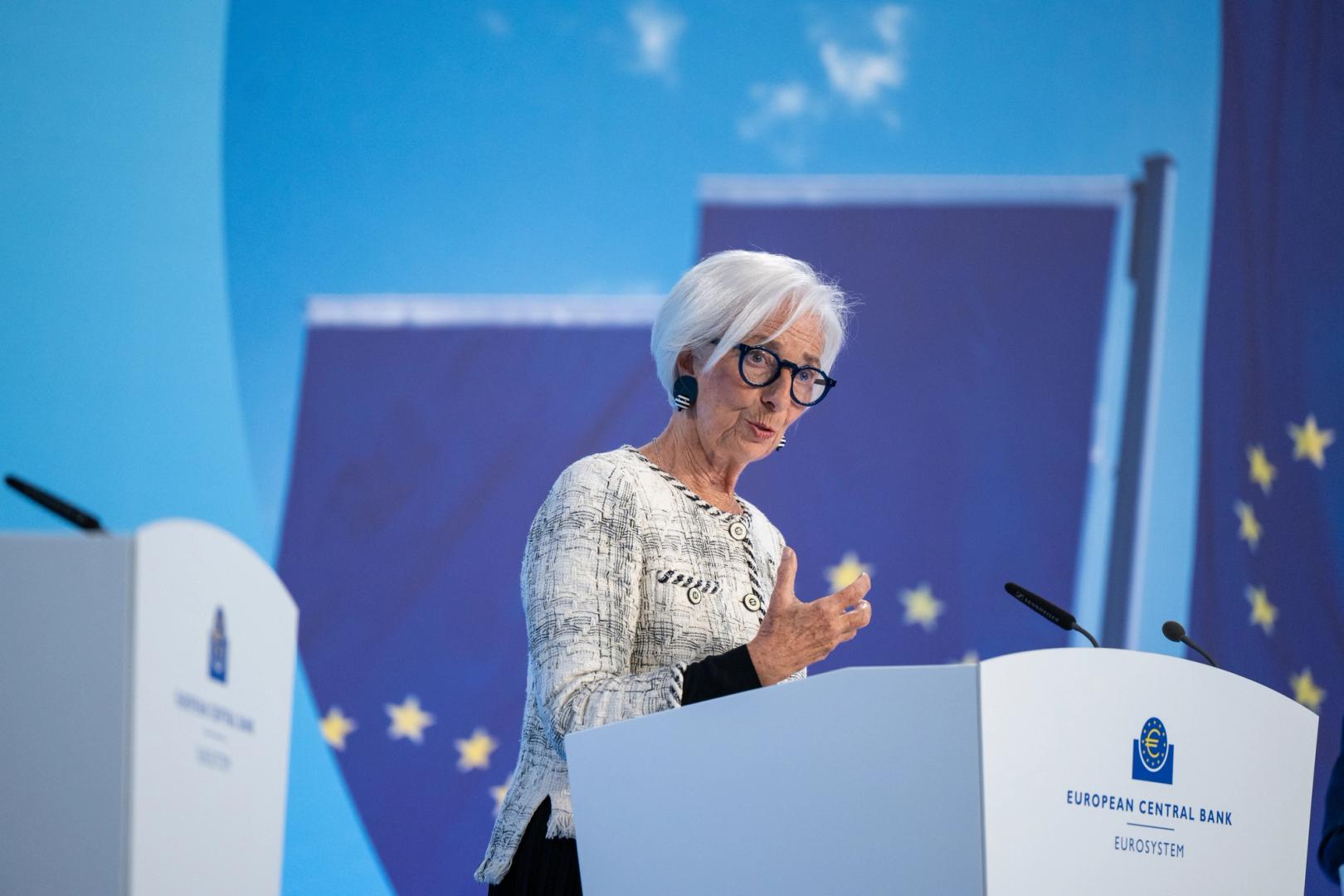
According to recent reports from the Wall Street Journal, ECB President Christine Lagarde personally intervened to block Binance’s progress in obtaining a Markets in Crypto-Assets (MiCA) license in Greece. While the European Central Bank (ECB) does not hold formal authority over the licensing process under the MiCA framework, the intervention reportedly led Greek regulators to stall an application that they had already classified as complete. This move represents a major shift in how European central banks may exert informal influence over crypto regulations.
The roadblock occurred despite Binance's efforts to align with the stringent 2026 EU compliance standards. The Greek Hellenic Capital Market Commission had previously signaled that the exchange's paperwork was in order, but the reported intervention from Frankfurt suggests that the ECB remains deeply skeptical of allowing the world's largest crypto exchange a firm foothold in the Eurozone’s financial system. This development highlights a growing gap between national regulators and central bank leadership regarding the oversight of global crypto platforms.
For the broader market, this news suggests that Binance faces a much steeper climb to achieve full MiCA compliance than previously anticipated. If Greece, a jurisdiction where the company had made significant progress, can be swayed by ECB pressure, other member states like France or Italy may face similar diplomatic friction. This creates a fragmented regulatory environment for Binance, potentially forcing the exchange to adjust its operational strategy and geographic focus within the European Union.
US-based investors and global traders should view this as a bearish signal for Binance’s regulatory standing in Tier-1 jurisdictions. The use of informal power to bypass established MiCA procedures introduces a layer of political risk that is difficult for companies to mitigate through standard legal compliance. It also raises questions about whether the ECB will use similar tactics against other non-EU-based exchanges seeking to enter the market under the 2026 guidelines.
Moving forward, market participants should watch for a formal statement from the Hellenic Capital Market Commission or a legal appeal from Binance. The outcome of this dispute will likely set a precedent for how much influence the ECB can exert over national licensing decisions, effectively determining whether MiCA remains a transparent rules-based system or becomes a tool for geopolitical and institutional gatekeeping.