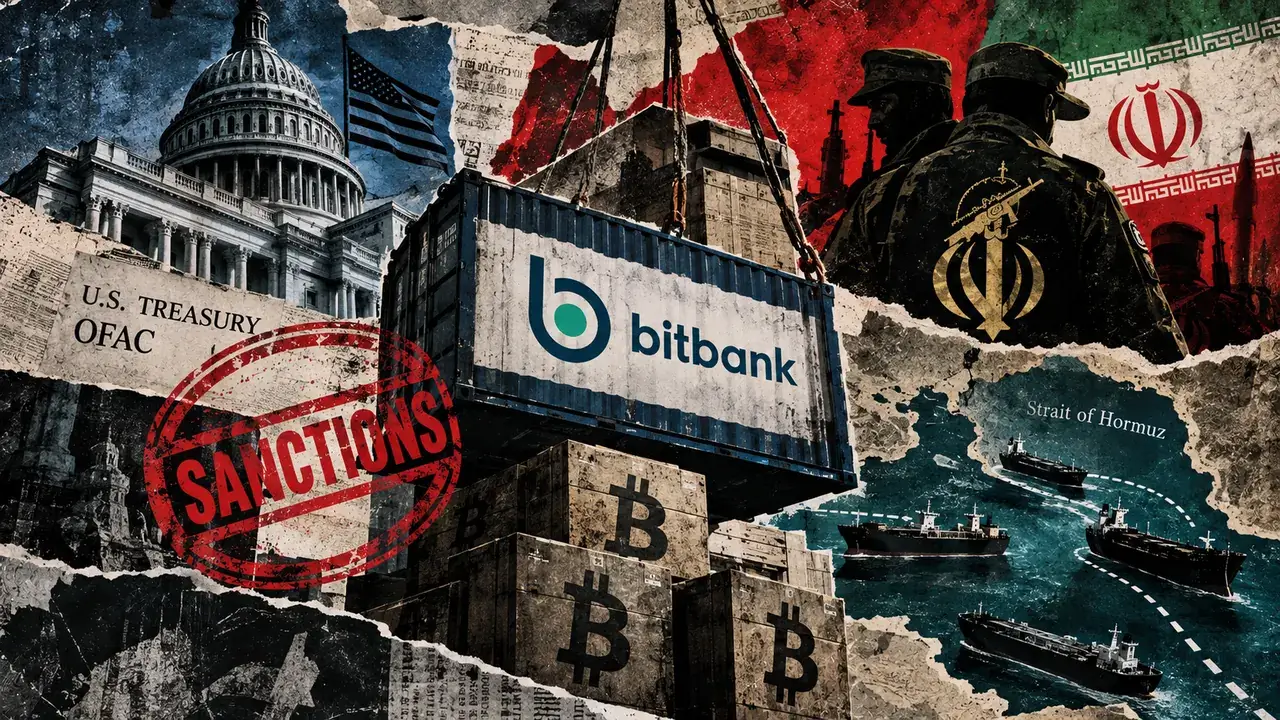
In early 2026, the U.S. Treasury’s Office of Foreign Assets Control (OFAC) officially sanctioned an Iranian cryptocurrency exchange and its lead software developer for processing millions in Bitcoin (BTC) transfers on behalf of the Islamic Revolutionary Guard Corps (IRGC). The sanctions directly address the regime's use of decentralized networks to bypass international banking restrictions, specifically highlighting the 'Hormuz Safe' payment stream as a primary conduit for moving regime funds. By targeting the developer alongside the exchange, the US government is signaling a strict new precedent: writing code for platforms that facilitate sanctioned activity is no longer protected by legal ambiguity.
The Treasury’s findings suggest that the exchange utilized sophisticated software to obscure the origin of IRGC-related transactions, effectively acting as a digital gateway for illicit state revenue. This move is part of a broader 2026 initiative to tighten the 'crypto-noose' around geopolitical rivals who have increasingly turned to digital assets to maintain liquidity under pressure. While the Treasury did not equate the specific Hormuz Safe payments with the IRGC’s total transaction volume, the move effectively blacklists all associated wallets from the global financial system.
For US-focused crypto investors and institutional platforms, this development reinforces the absolute necessity of advanced blockchain forensics. Compliance teams must now ensure their AML/KYC filters are updated to flag any interaction with the identified Iranian infrastructure. The inclusion of a software developer in this sanction list is particularly concerning for the DeFi and privacy-tool sectors, as it suggests that technical contributors may be held liable for the eventual use of their software by bad actors.
Looking ahead, market participants should monitor the Treasury's Specially Designated Nationals (SDN) list for further updates to the digital wallet addresses associated with this exchange. There is also potential for increased volatility in BTC as exchanges move to purge liquidity linked to these sanctioned nodes. As geopolitical tensions rise, the US is likely to continue leveraging the transparency of the Bitcoin blockchain to dismantle shadow financial networks operated by foreign adversaries.