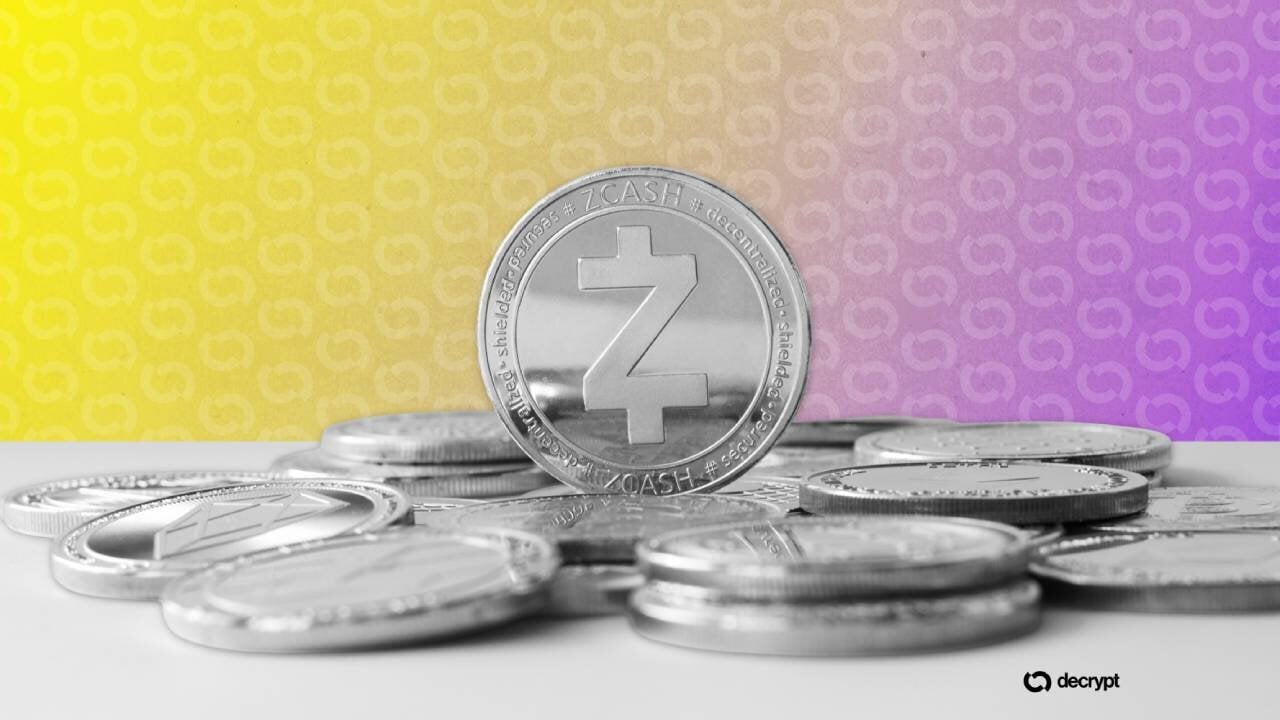
Zcash is preparing for a significant technical overhaul in 2026 as developers move to reduce block times from 75 seconds down to 25 seconds. This triple-speed increase is designed to make ZEC transactions near-instant, addressing long-standing latency issues that have hindered its adoption for retail payments. More importantly, the upgrade includes a stealthy but vital rewrite of the network's long-term security model, ensuring that the blockchain can continue to pay for its own protection once the current block reward structure expires in 2031.
The reduction in block time is a direct effort to keep Zcash competitive against faster Layer-1 privacy protocols. By shortening the interval between blocks, the network increases its overall throughput, allowing for a higher volume of shielded transactions per minute. For users, this means shorter wait times for confirmations, making the privacy-centric coin a more viable alternative for real-world commerce and decentralized finance (DeFi) integrations that require high-speed finality.
The most critical aspect for long-term holders, however, is the restructuring of the security budget. As the original Zcash issuance schedule winds down toward 2031, the network faces a potential "security cliff" where mining incentives might become insufficient to protect the chain from 51% attacks. This upgrade proactively rewrites how validators are compensated, potentially shifting toward a model that incorporates fee-sharing or a revised tail-emission strategy to maintain robust defense mechanisms for the next decade.
From a regulatory standpoint, this technical leap comes as US authorities continue to debate the role of privacy-preserving technologies in the digital asset space. While the speed increase is a technological win, the stability of the 2031 funding model is what will likely determine Zcash's institutional viability. Analysts are watching closely to see if this upgrade will be coupled with enhanced "viewing key" features that allow for selective transparency, potentially easing the path for US-based exchanges to continue listing ZEC.
Investors should monitor the Zcash testnet for the official activation of these changes later this year. The market’s reaction will likely depend on whether the transition to faster blocks occurs without compromising network stability and whether the community reaches a consensus on the new post-2031 security funding proposal.