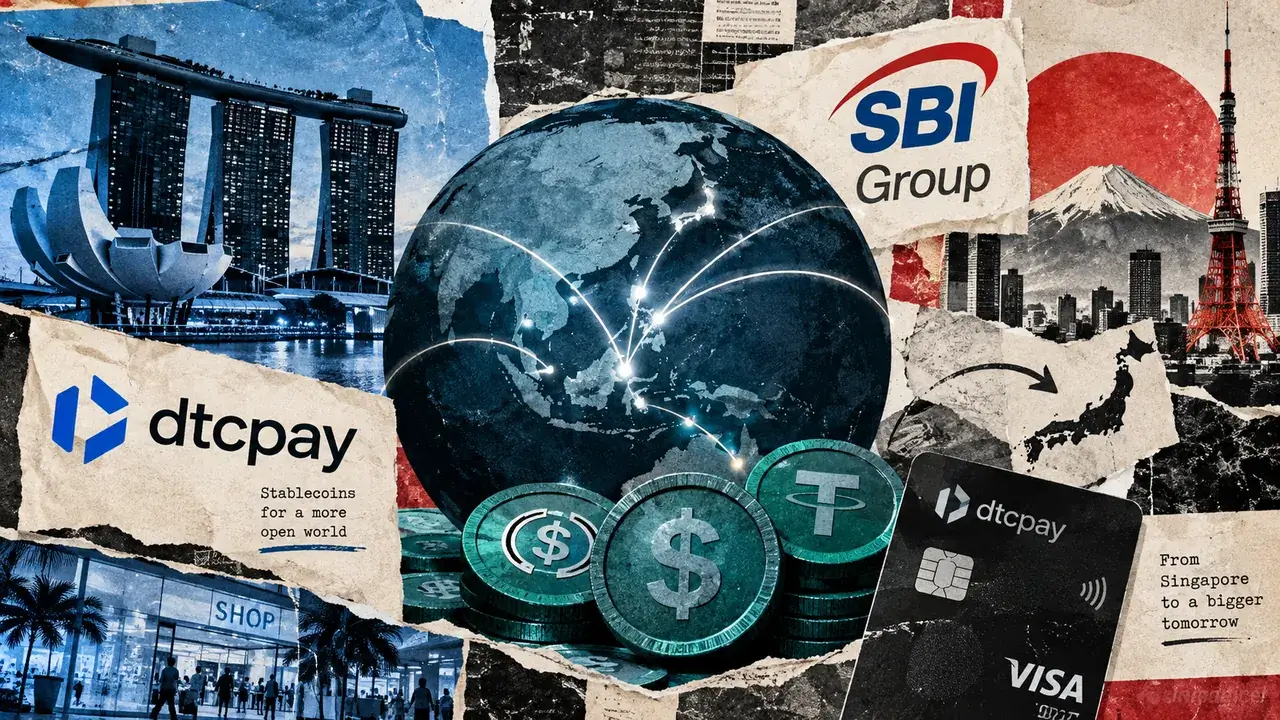
SBI Holdings has invested millions into a Singapore-based stablecoin issuer to capitalize on the growing demand for regulated, institutional-grade digital payment infrastructure. This move directly addresses the need for seamless cross-border settlement solutions by expanding the startup’s merchant network, enterprise-facing portals, and consumer-focused applications. By bridging the gap between traditional Japanese finance and Singapore’s advanced digital asset ecosystem, SBI is positioning itself as a primary liquidity provider for the next generation of stablecoin-driven commerce.
The funding round, spearheaded by Vertex Ventures, comes as Singapore’s regulatory framework for stablecoins reaches full maturity in early 2026. The startup plans to use the capital to scale its API-driven enterprise services, allowing multinational corporations to manage treasury functions and supplier payments using local-currency-pegged stablecoins. This expansion is expected to significantly reduce the costs and delays associated with the legacy SWIFT banking system for regional trade.
From a geopolitical perspective, the partnership reinforces a dominant financial corridor between Japan and Singapore, two of the most stable crypto jurisdictions in Asia. As the U.S. continues to debate federal stablecoin legislation, these Asian hubs are moving forward with interoperable standards. This cooperation allows SBI to bypass fragmented banking rails, providing their corporate clients with a more efficient way to move capital across the ASEAN region.
For the broader crypto market, this investment marks a transition from speculative stablecoin usage to utility-based enterprise adoption. While the retail sector has long used stablecoins for trading collateral, SBI’s focus on merchant portals indicates that real-world payments are the next frontier for growth. Investors should view this as a validation of the 'regulated-first' approach to digital assets, which is likely to attract further institutional capital into similar infrastructure projects throughout the year.
Moving forward, market participants should watch for the integration of this stablecoin infrastructure into SBI’s existing 'VCTRADE' platform and its Ripple-affiliated payment solutions. The success of this rollout will likely hinge on the adoption rates among Singaporean merchants and how effectively the startup can navigate the cross-border compliance requirements between the Monetary Authority of Singapore (MAS) and Japan's Financial Services Agency (FSA).