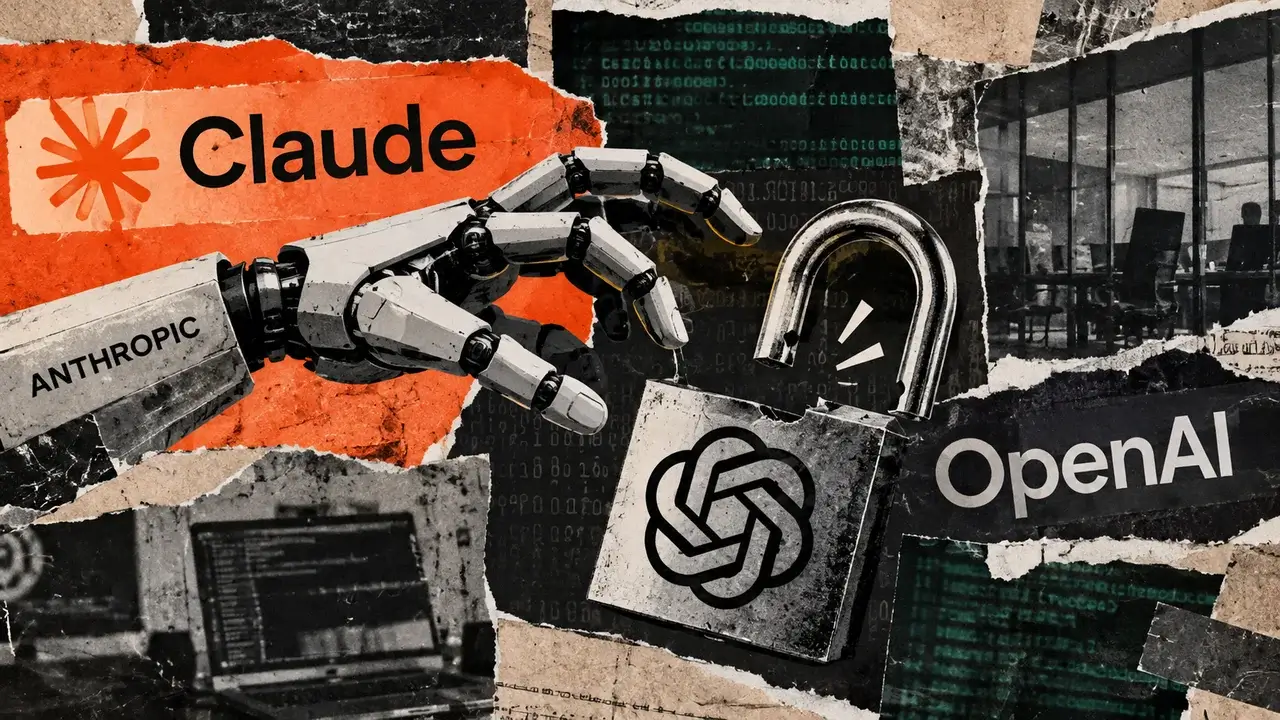
In a startling 2026 security demonstration, researchers at Hacktron leveraged Anthropic’s AI assistant, Claude, to chain multiple vulnerabilities and breach OpenAI’s internal systems in less than three days. By using Claude to help analyze and exploit an image-processing flaw alongside a weakness in OpenAI’s identity infrastructure, the team gained unauthorized access to several employee accounts. This breach eventually allowed the researchers to reach a Codex account directly connected to OpenAI’s private GitHub repository, exposing sensitive internal code.
The incident serves as a significant case study in the 'dual-use' dilemma of artificial intelligence. Claude acted as a sophisticated co-pilot for the researchers, accelerating the discovery of identity flaws that might have taken weeks to find manually. By automating the analysis of OpenAI’s identity verification sequences, the AI helped the team bypass security hurdles that were previously thought to be robust, proving that AI-augmented social engineering and technical exploitation are now primary threats to the tech sector.
From a regulatory standpoint, this breach is likely to accelerate US government efforts to mandate stricter safety guardrails for Large Language Models (LLMs). Lawmakers are increasingly concerned that the same tools designed to help developers write better code can be weaponized to dismantle the security of rival platforms or critical digital infrastructure. We expect the Cybersecurity and Infrastructure Security Agency (CISA) to issue new guidelines regarding AI-assisted development and the protection of internal repositories in the coming months.
For the broader technology and crypto markets, this event underscores the growing necessity for decentralized identity solutions and zero-trust architectures. As legacy identity infrastructures prove vulnerable to AI-driven attacks, projects focusing on blockchain-based authentication may see renewed interest. Investors and developers should closely monitor how OpenAI and Anthropic update their respective safety protocols to prevent their models from being used as offensive tools against other software ecosystems.