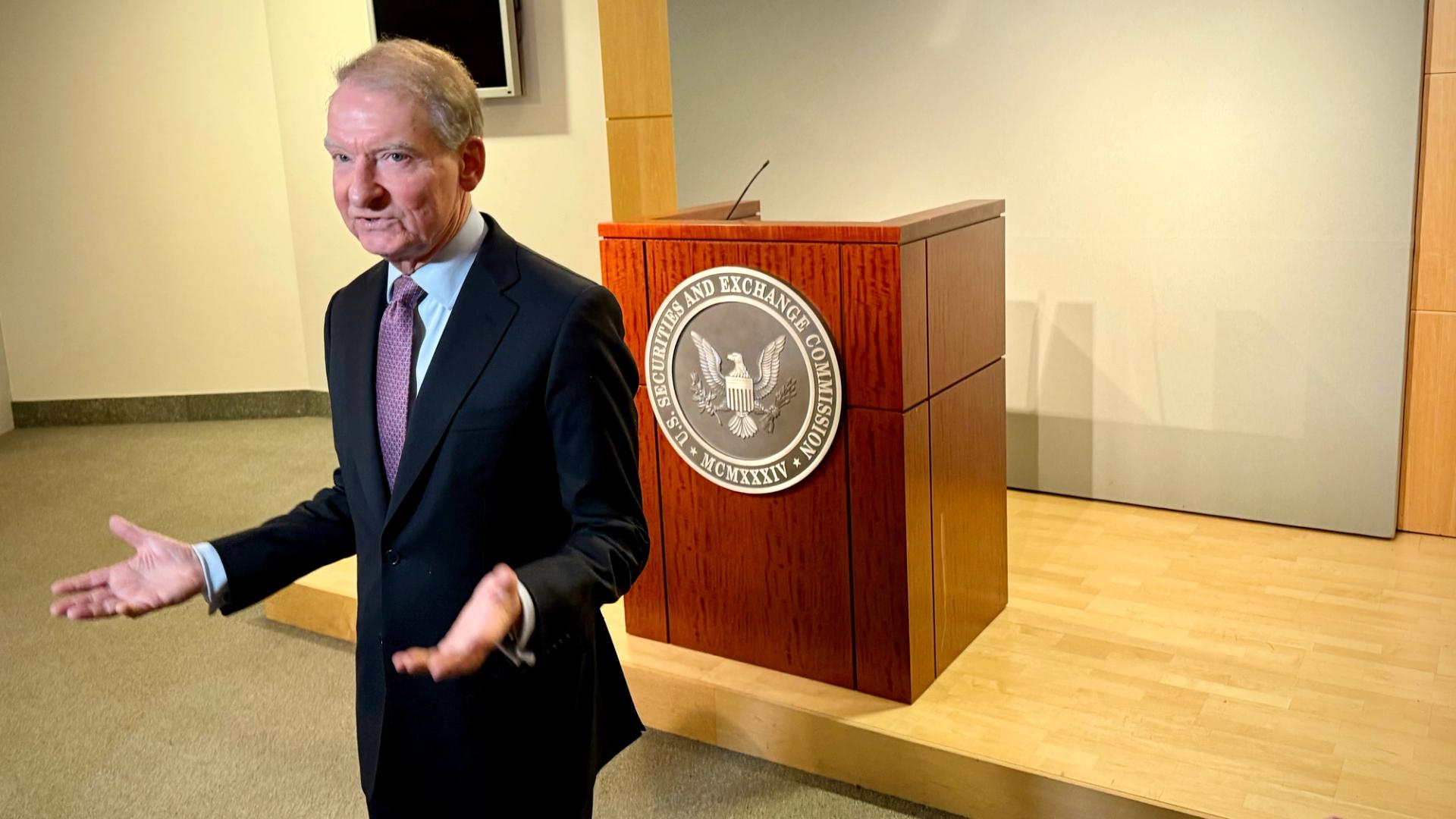
The failure of the Clarity Act to pass in the first half of 2026 has forced the SEC, CFTC, and the Treasury to bypass Congress and establish their own 'stand-in' regulations. These agencies are racing to codify internal guidelines into official rules to provide some semblance of order for digital asset markets. However, without the statutory authority a law would have provided, these agency rules are widely viewed as temporary stopgaps that lack the permanence of a congressional mandate. This regulatory fragmentation is creating a complex compliance landscape where the definition of a digital asset depends entirely on which agency is presiding over the transaction.
The political deadlock that killed the Clarity Act stemmed from disagreements over federal versus state oversight of stablecoin issuers. In its absence, the Federal Reserve has moved to expand its 'novel activities' supervision program, effectively tightening the leash on banks engaging with crypto. Meanwhile, the SEC has doubled down on its 'regulation by enforcement' approach, asserting that the lack of new legislation confirms existing securities laws are sufficient. This has led to a flurry of new rule-making proposals aimed at decentralized finance (DeFi) protocols and institutional custody providers.
Geopolitically, the US is increasingly isolated as the European Union’s MiCA framework matures and other jurisdictions provide the legal certainty the Clarity Act was supposed to offer. Large-scale institutional investors, who were waiting for the 'bedrock' of the Clarity Act to enter the US market, are now signaling a pivot toward offshore hubs. The lack of a unified US standard is perceived as a significant barrier to the long-term integration of blockchain technology into the traditional financial system.
For crypto markets, this development is a double-edged sword. While the agencies are providing some immediate clarity through their own rulebooks, the threat of judicial challenges under the Major Questions Doctrine looms large. Market participants should expect heightened volatility as individual enforcement actions continue to serve as the primary source of 'law.' The legal standing of these agency 'stand-ins' will likely be the most litigated topic in crypto for the remainder of 2026.
Readers should closely watch the upcoming Supreme Court docket for cases challenging agency overreach, as well as any emergency executive orders from the White House designed to harmonize these competing agency rules. Until a legislative solution is revived, the US crypto sector remains in a state of 'regulatory limbo' where the rules are written by the regulators themselves rather than by elected officials.